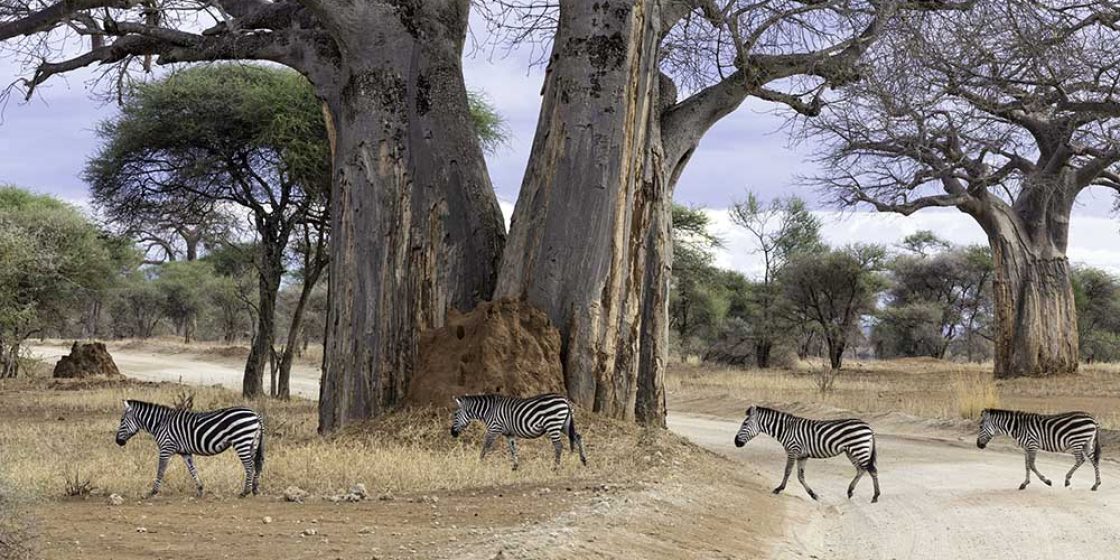
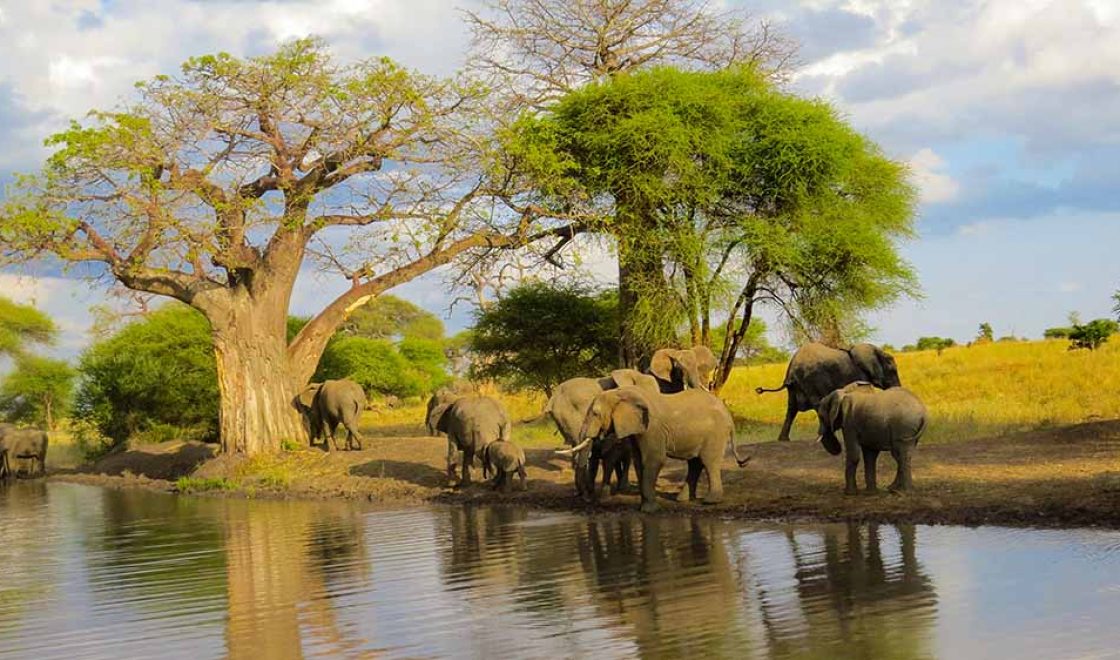
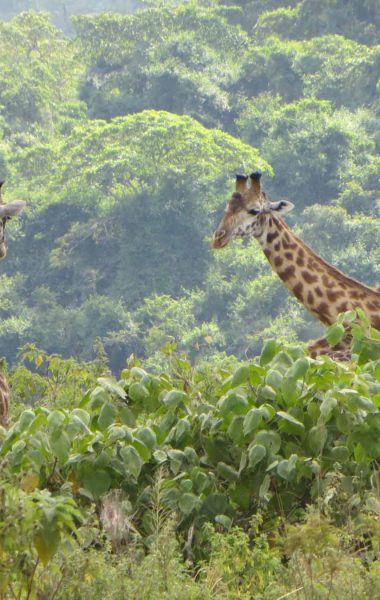
Tarangire National Park is often called the “Baobab Capital of the World,” a rugged and enchanting landscape that offers a distinct contrast to the open savannas of the Serengeti. Spanning 2,850 square kilometers, it is defined by its massive, ancient baobab trees that dot the horizon like prehistoric giants. The park’s lifeblood is the Tarangire River, which serves as the primary water source for thousands of animals during the dry season. Known for having the greatest concentration of wildlife outside the Serengeti ecosystem, Tarangire is particularly famous for its massive elephant herds, sometimes numbering in the hundreds. It is a place of wild, untamed beauty where the red dust of the earth meets the deep green of the river marshes, providing a sanctuary for those seeking a quieter, more intimate safari experience.
Climate
Tarangire’s climate is similar to the rest of northern Tanzania but feels more arid. The Dry Season (June to October) is the absolute peak time to visit; as the surrounding lands dry up, the Tarangire River becomes the only reliable water source, drawing incredible densities of wildlife to its banks. During the Wet Season (November to May), the park becomes lush and green, and many animals disperse into the wider Maasai Steppe. While the scenery is beautiful and birdwatching is at its peak, wildlife viewing requires more patience during these months.
Getting There
Tarangire is the most accessible park on the Northern Circuit. From Arusha, it is a comfortable two to three-hour drive on well-paved roads, making it an ideal first stop for any safari itinerary. Most travelers arrive in a 4×4 safari vehicle as part of a larger tour. For those short on time, domestic charter flights land at the Kuro Airstrip, located in the heart of the park, providing quick access to the remote southern reaches.
Attractions
The Tarangire River: The park’s central feature, where predators wait in the tall grasses for thirsty prey to approach the water’s edge.
Silale Swamp: A massive, emerald-green wetland that acts as a giant sponge. Even in the height of the dry season, it remains lush, attracting elephants and buffalo who come to wallow and graze.
Ancient Baobab Trees: These “Trees of Life” can live for over a thousand years. Their hollow trunks and bizarre shapes provide iconic silhouettes against the African sunset.
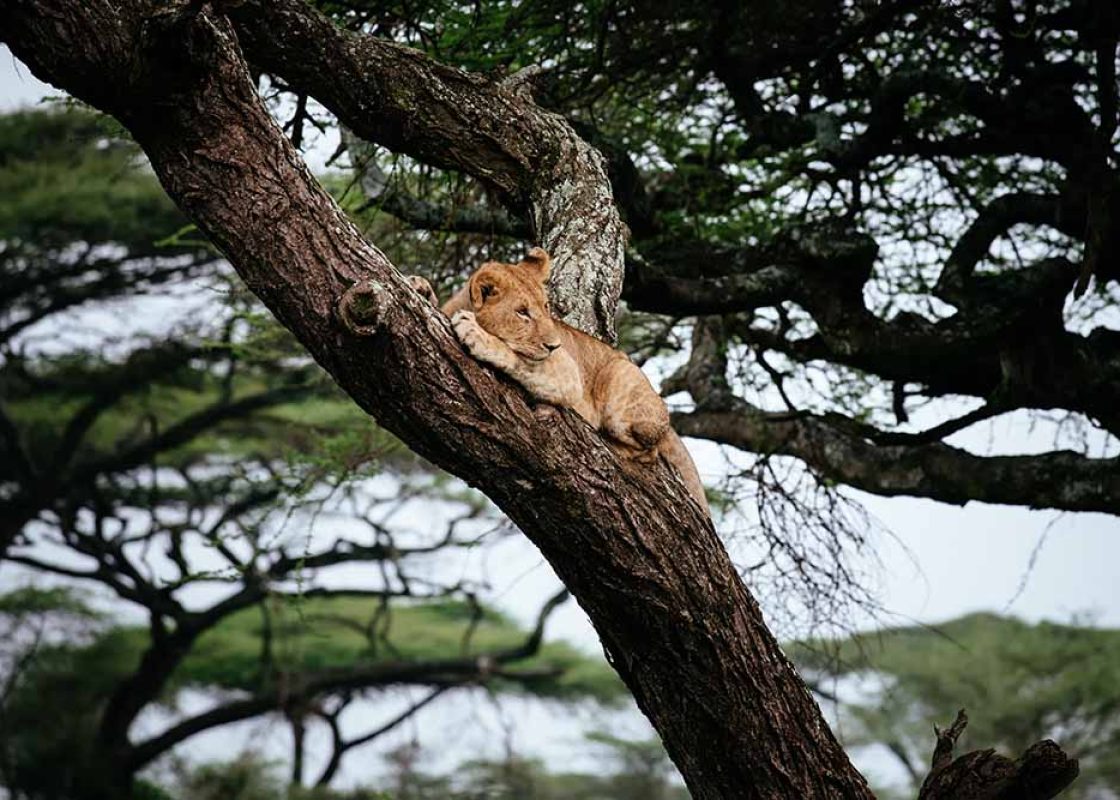
Tree-Climbing Lions: While famous in Lake Manyara, Tarangire’s lions are also known to frequently climb trees to escape the heat or biting flies, providing a rare and thrilling sight.
The Poacher’s Baobab: A massive, hollowed-out tree that was historically used by poachers as a hideout, now serving as a fascinating historical landmark.
Activities
Large-Scale Elephant Tracking: Tarangire is the best place in East Africa to observe elephant social behavior due to the sheer size of the herds.
Night Game Drives: Unlike many other national parks, several lodges in and around Tarangire are permitted to conduct night drives. This offers a rare chance to see nocturnal creatures like bushbabies, aardvarks, and hunting leopards.
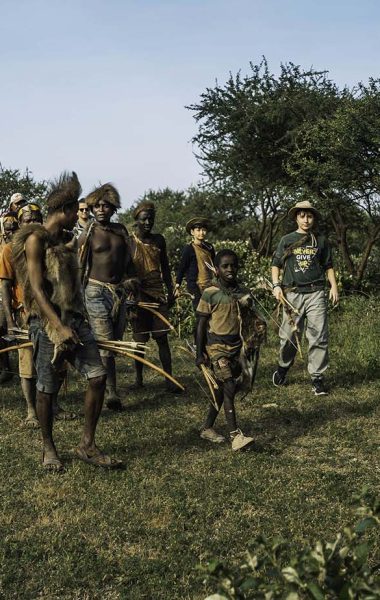
Walking Safaris: The park’s hilly terrain and riverine forests are perfect for guided walks, allowing you to appreciate the tracks and signs of the bush on foot.
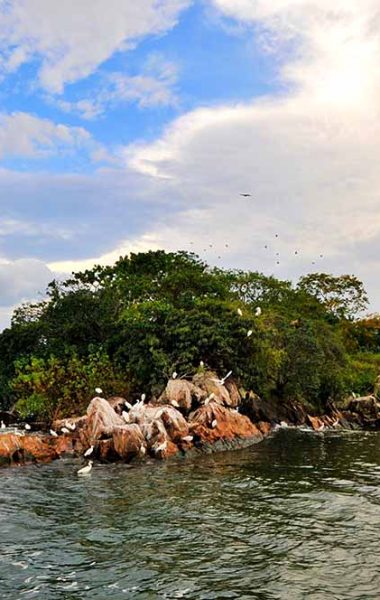
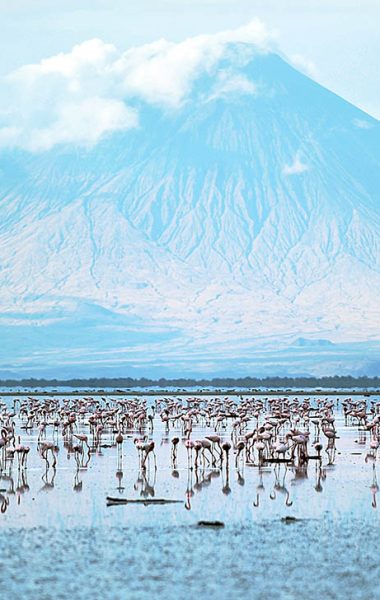
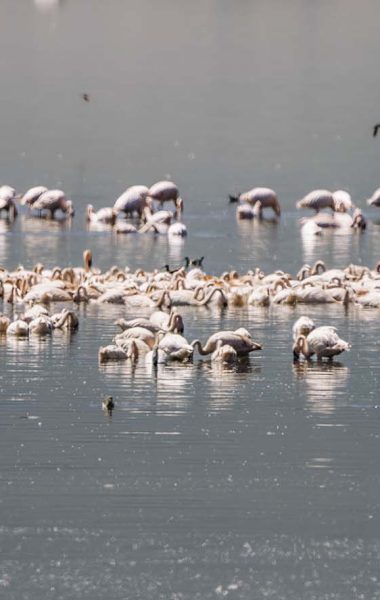
Birdwatching: With over 550 species, including the endemic ashy starling and the colorful yellow-collared lovebird, Tarangire is a world-class destination for bird enthusiasts.