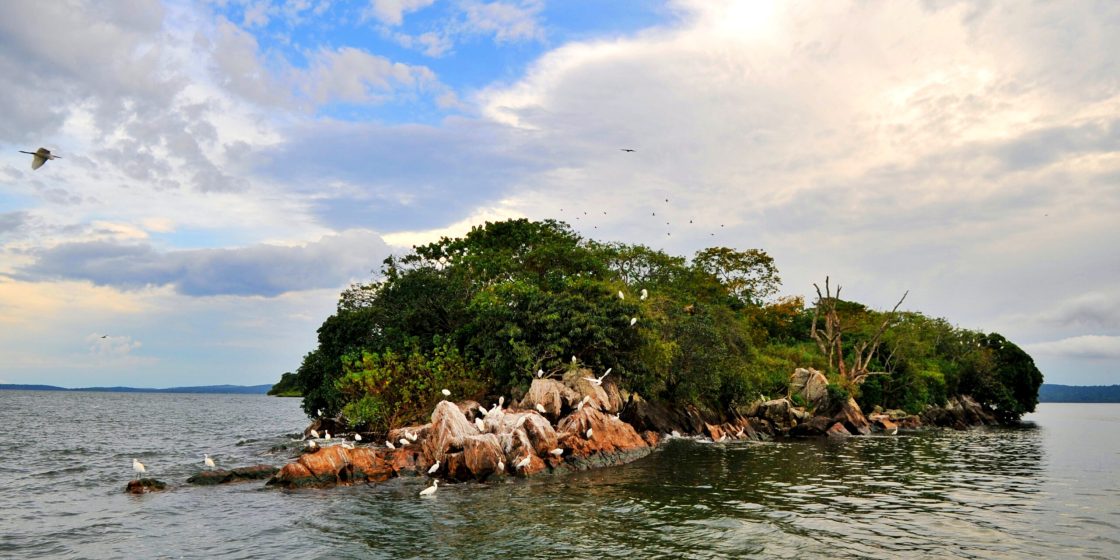
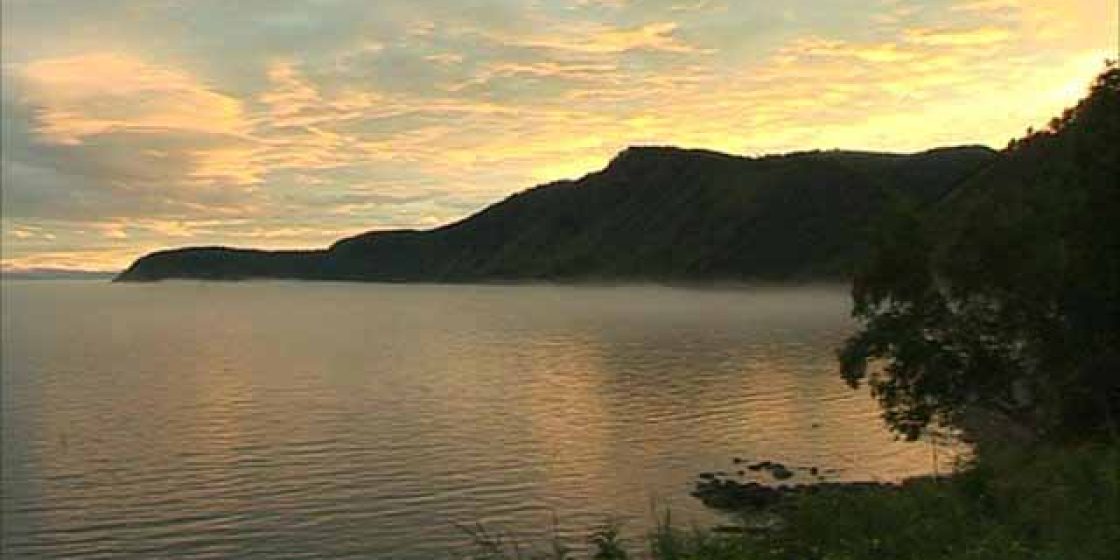
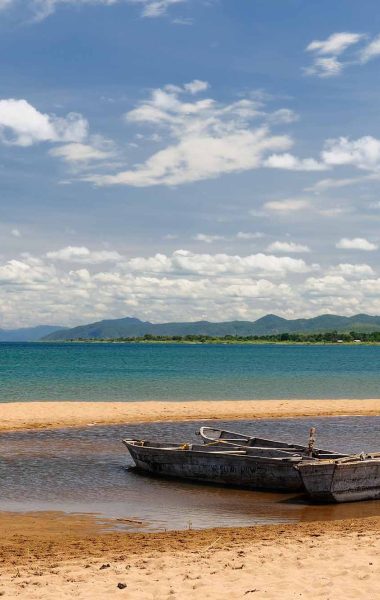
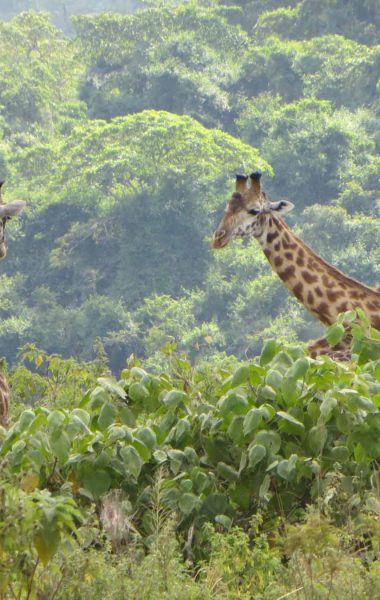
Rubondo Island National Park is Tanzania’s hidden emerald, a pristine sanctuary located in the southwestern corner of Lake Victoria, the largest tropical lake in the world. Encompassing Rubondo Island and several smaller islets, the park is a rare example of a protected tropical rainforest ecosystem surrounded by water. Originally established as a haven for endangered species, the island has become a unique “Noah’s Ark,” where animals like chimpanzees, elephants, and giraffes were introduced to live in wild harmony.The park is characterized by dense, humid forests, papyrus swamps, and sandy beaches, offering an experience that feels more like the Congo Basin than the East African savanna. It is a destination for the true explorer, offering a quiet, water-based wilderness that is as mysterious as it is beautiful.
Climate
The climate on Rubondo Island is equatorial—consistently warm and humid throughout the year. Daytime temperatures typically hover around 27°C (80°F), with high humidity levels due to the surrounding lake and dense forest canopy. The Dry Season (June to September) is the most comfortable time for trekking and forest walks, as the trails are firmer and the weather is slightly cooler. The Wet Seasons (October to December and March to May) see frequent, dramatic afternoon thunderstorms. While the rains make the forest lush and vibrant, they also increase the activity of the island’s diverse insect life and can make chimpanzee tracking more challenging.
Getting There
Rubondo Island is one of Tanzania’s most remote parks, making “getting there” part of the adventure.Most visitors arrive via a charter flight from Arusha, the Serengeti, or Mwanza.These bush planes land on the island’s small airstrip, providing a spectacular aerial view of Lake Victoria’s vast blue expanse. Alternatively, travelers can drive to the lakeside town of Geita or Muganza and take a park-operated motorboat for a 30-minute to one-hour journey to the island. Because of its distance from the main Northern Circuit, it remains blissfully free of crowds, often hosting only a handful of visitors at a time.
Attractions
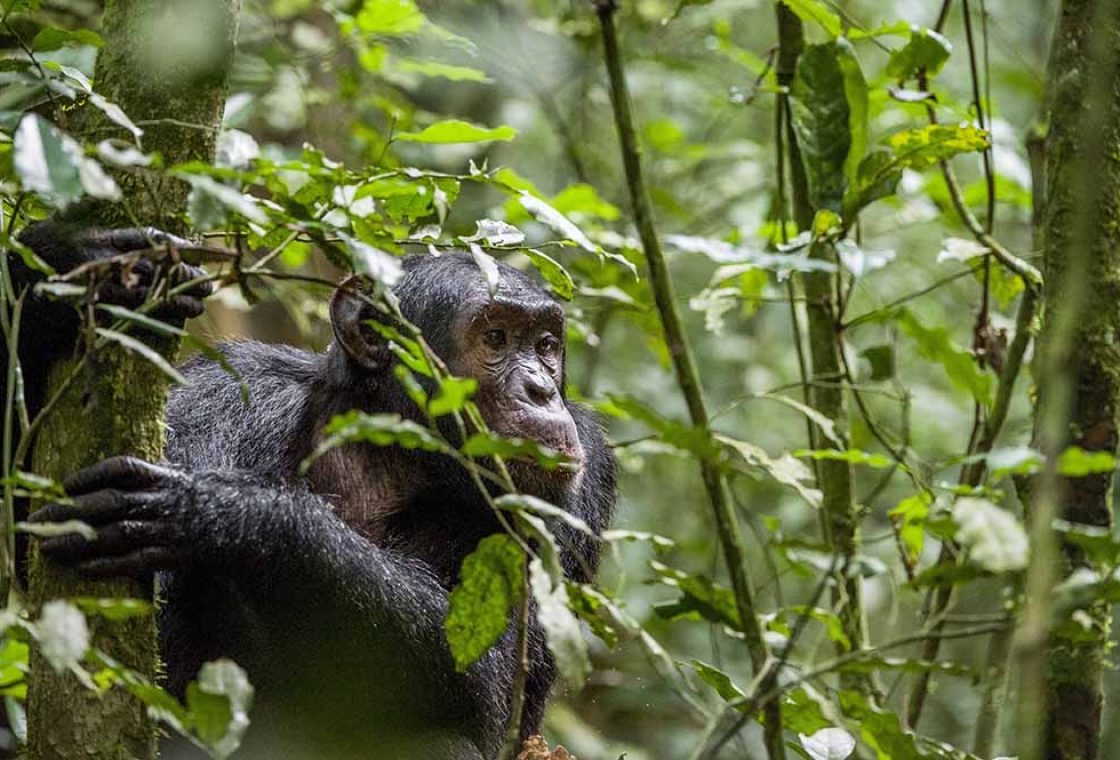
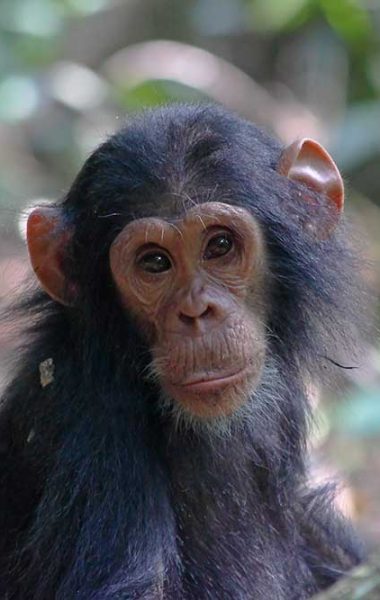
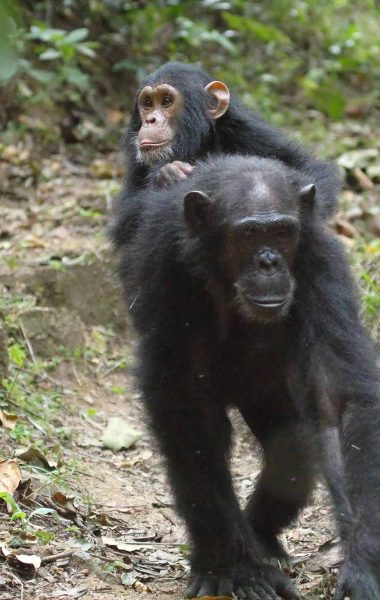
Wild Chimpanzees: The island is home to a population of chimpanzees that were introduced in the 1960s.After years of careful habituation, visitors can now track these primates through the dense forest.
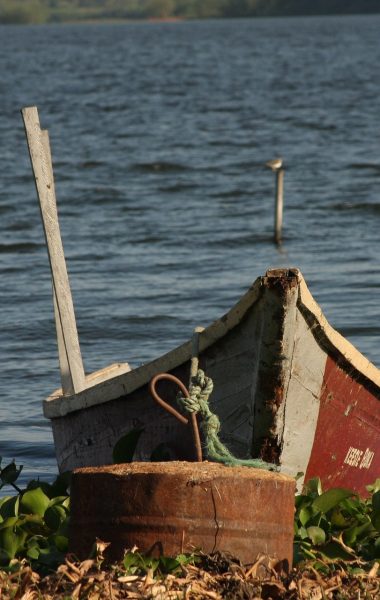
Lake Victoria: The massive freshwater “inland sea” provides a stunning backdrop, with its clear waters, rocky outcrops, and hidden coves.
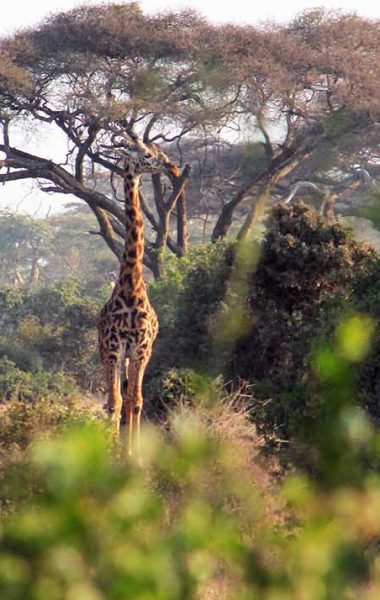
The “Noah’s Ark” Wildlife: Rubondo is unique for its mix of species, including forest-dwelling elephants, sitatunga antelopes (which have webbed hooves for walking in swamps), giraffes, and black-and-white colobus monkeys.
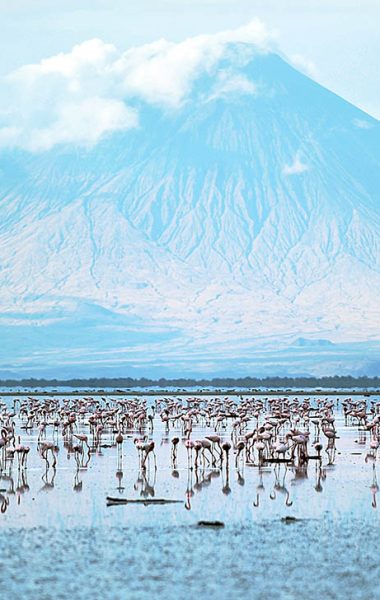
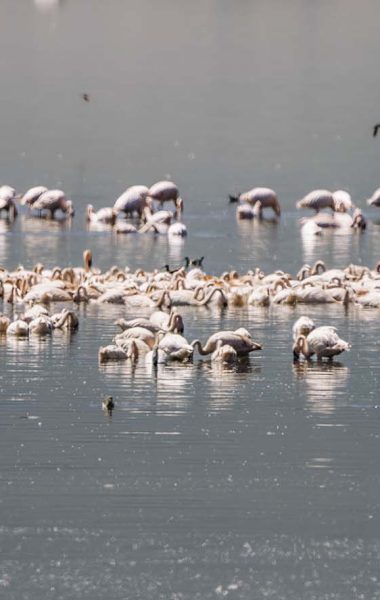
Birdlife: The island is an ornithological paradise, especially for water birds.It boasts one of the highest densities of African Fish Eagles in the world, alongside kingfishers, herons, and the rare African grey parrot.
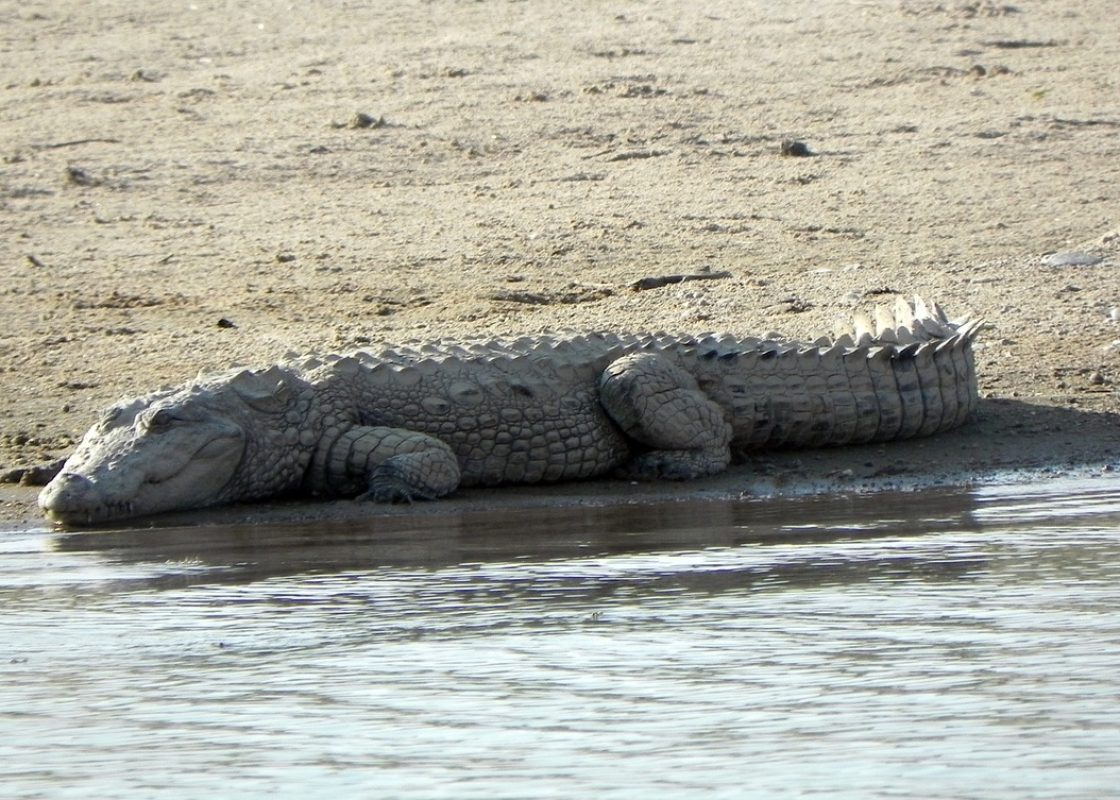
Crocodiles and Hippos: The shoreline is teeming with prehistoric Nile crocodiles and large pods of hippos that are often seen lounging in the shallows or on the sandy beaches.
Activities
Chimpanzee Habituation Experience: This is the park’s premier activity. Unlike standard treks, guests can join researchers in the forest to observe the chimps as they become increasingly accustomed to human presence.
Boating Safaris: Exploring the island’s coastline by boat allows for quiet observation of elephants drinking at the water’s edge and hippos wallowing in the bays.
Catch-and-Release Fishing: The waters around Rubondo are world-famous for Nile Perch, which can grow to enormous sizes (sometimes exceeding 100kg).The park operates a strict catch-and-release policy to preserve the ecosystem.
Forest Trekking: Guided walks through the untouched rainforest offer a chance to see rare butterflies, orchids, and the elusive sitatunga antelope hiding in the papyrus.
Birding Tours: With over 300 species, birdwatchers can spend days exploring the forest fringes and wetlands to spot both forest and water-dwelling birds.