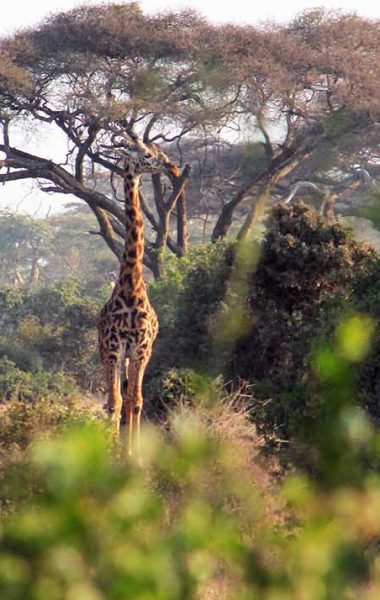
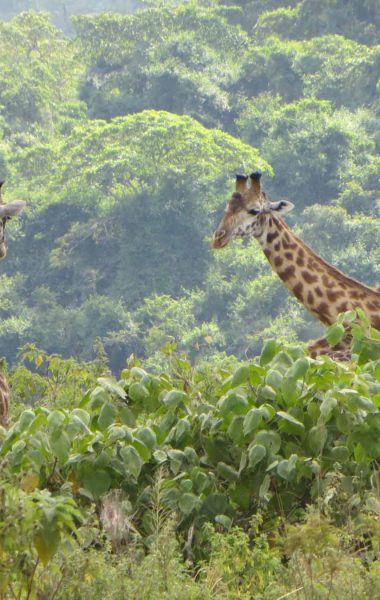
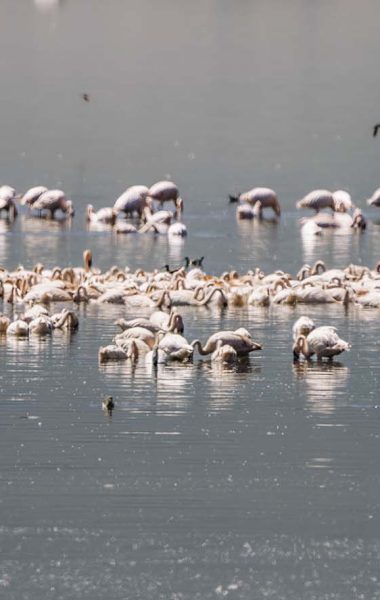
Ruaha National Park is the “rugged soul” of Tanzania’s Southern Circuit. As the country’s largest national park (spanning over 20,000 square kilometers), it remains one of the most untouched and authentic safari destinations in East Africa. The park is a transition zone where the acacia-dotted savannas of East Africa meet the miombo woodlands of Southern Africa, resulting in a unique overlap of flora and fauna. Defined by the Great Ruaha River and its massive ancient baobabs, the park offers a raw, prehistoric beauty and a high predator-to-tourist ratio that makes every sighting feel like a private discovery.
Climate
Ruaha has a semi-arid, hot climate. The Dry Season (June to October) is the absolute peak for wildlife viewing. As the park dries out, the vegetation thins, and thousands of animals are forced to congregate around the shrinking Great Ruaha River. Daytime temperatures are pleasant (around 28°C), but nights can be surprisingly cool. The Wet Season (November to May) brings “the emerald transformation.” While mammals disperse into the thick bush, making them harder to spot, this is the prime time for birdwatching and photography, as the landscapes are lush and the air is dust-free.
Getting There
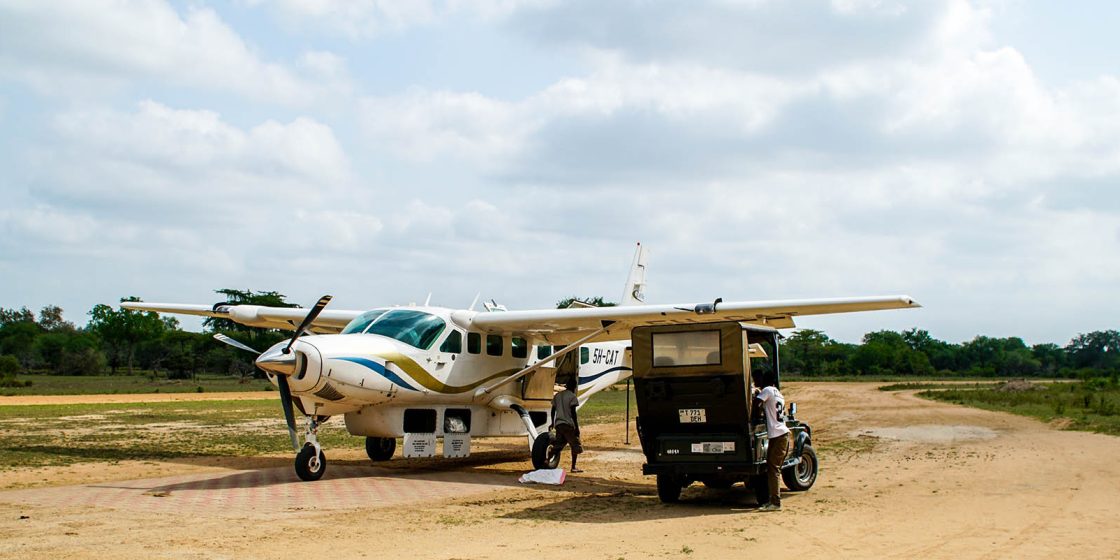
Ruaha is remote, which is part of its allure. Most visitors opt for “fly-in” safaris from Dar es Salaam or Arusha, which take about 1.5 to 2 hours. There are several airstrips (Msembe and Jongomero) that serve different sectors of the park. For those on a driving safari, the journey from Iringa town takes about two to three hours on a dusty but scenic road. Those driving from Dar es Salaam should prepare for a full-day (10-12 hour) journey, often broken up with a stop in Mikumi National Park.
Attractions
The Great Ruaha River: The park’s lifeline. During the dry season, the riverbed becomes a stage for dramatic wildlife interactions as predators wait for thirsty prey.
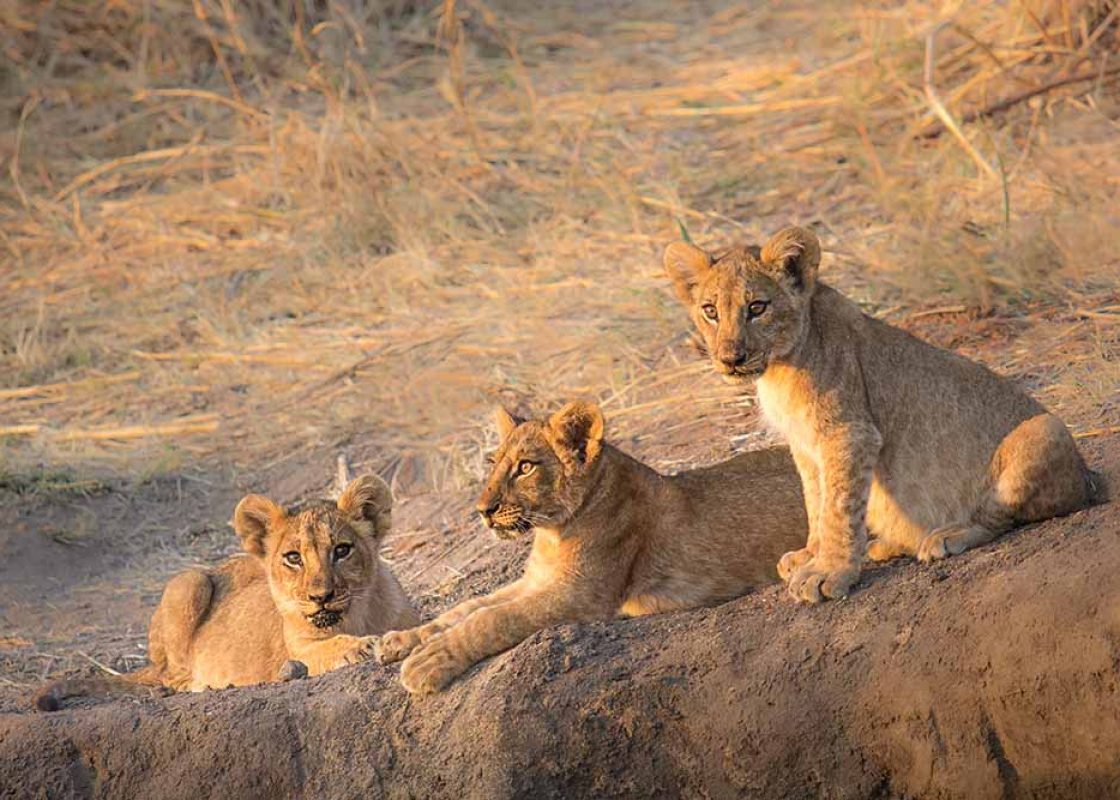
Large Predator Populations: Ruaha is home to roughly 10% of the world’s lion population, with unusually large prides (often numbering 20+). It is also a global stronghold for the endangered African wild dog.
The Baobab Forests: The park is famous for its “baobab graveyards”—stunning landscapes where ancient, giant trees dominate the horizon, some showing scars from elephants digging for water.
Convergence of Species: This is the only place in Tanzania where you can see both Greater and Lesser Kudu, as well as both the Sable and Roan antelopes.
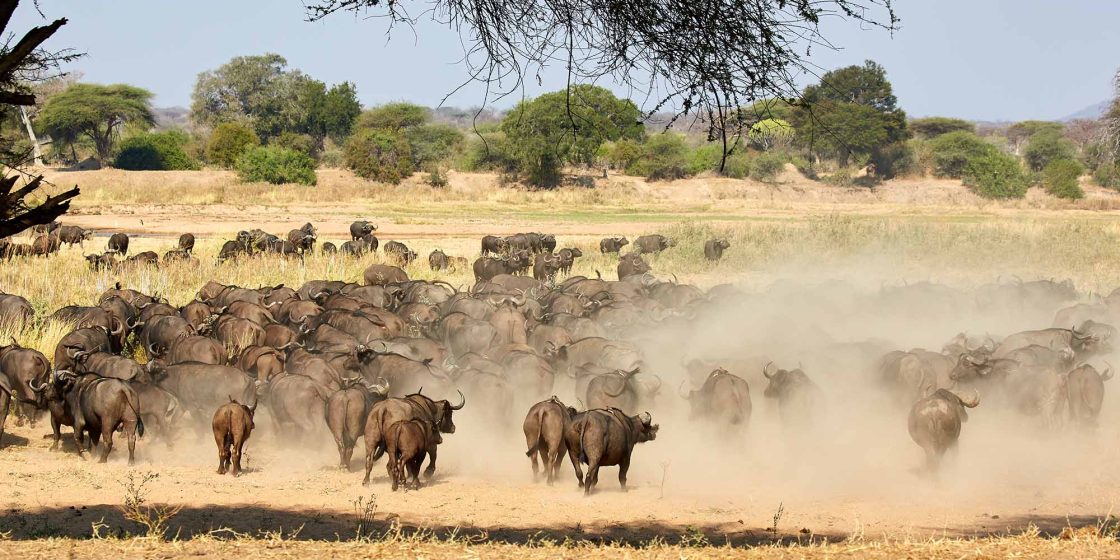
The Usangu Wetlands: A vast, recently added area of the park that offers a completely different marshy ecosystem, home to unique water birds and buffalo herds.
Activities
Walking Safaris: Ruaha is one of the best places in Africa for walking safaris. Guided by highly trained armed rangers, these treks allow you to track lions on foot or explore the intricate ecology of the riverbanks.
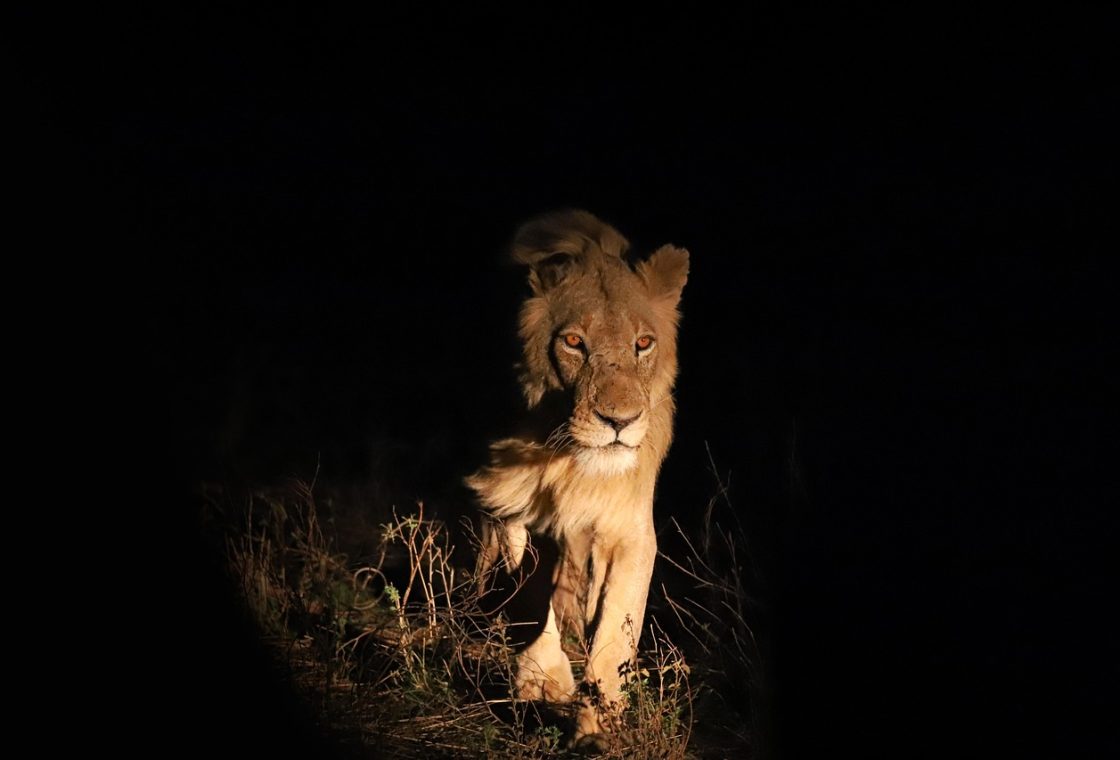
Night Game Drives: Some lodges are permitted to conduct night drives, using spotlights to find elusive nocturnal creatures like leopards, honey badgers, and genets.
Hot Air Balloon Safaris: A dawn flight over the baobabs and the river offers an unparalleled perspective of the park’s immense scale.
Birdwatching: With over 570 species, Ruaha is a birder’s paradise. In the wet season, the park hosts migratory species from as far as Europe and Australia.
Sundowners and Bush Meals: Many camps set up elegant “bush bars” on the river sandbanks or under giant baobabs for a quintessentially African sunset experience.