Nyerere National Park (formerly Selous Game Reserve)
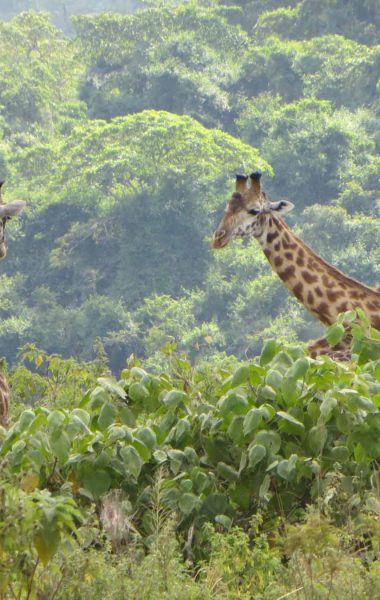
Formerly the northern sector of the Selous Game Reserve, Nyerere National Park was established in 2019 and stands as the largest national park in Tanzania—and one of the largest in the world. Spanning over 30,000 square kilometers, it is a vast, rugged wilderness defined by the mighty Rufiji River, which forms a complex network of channels, lakes, and swamps. Unlike the open grasslands of the north, Nyerere is a landscape of Miombo woodlands, riverine forests, and palm-fringed lagoons. It is a stronghold for Africa’s most iconic predators and remains one of the last great sanctuaries for the African wild dog. Because of its scale and the variety of ways to explore it—by boat, on foot, or by vehicle—it offers a sense of solitude and adventure that is increasingly rare in modern safari travel.
Climate
The park has a tropical climate that is generally hotter and more humid than the northern parks. The Dry Season (June to October) is the most popular time to visit; as the water holes inland dry up, wildlife congregates in massive numbers along the Rufiji River and the permanent lakes. Daytime temperatures average 30°C, but the nights remain warm. The Wet Season (November to May) brings “short rains” in November/December and “long rains” from March to May. During the peak of the rains, many areas become inaccessible as the black cotton soil turns into impassable mud, and some lodges close their doors from March through May.
Getting There
Nyerere is the cornerstone of Tanzania’s “Southern Circuit” and is very accessible from the coast.
By Air: The most efficient way to arrive is via a 45-minute bush plane flight from Dar es Salaam or a 90-minute flight from Zanzibar. There are several airstrips (such as Mtemere, Siwandu, and Matambwe) serving different sectors of the park.
By Road: It is a five to six-hour drive from Dar es Salaam. The road is paved for most of the way but becomes a rugged dirt track as you approach the Mtemere Gate.
By Rail: For a unique experience, the TAZARA railway runs from Dar es Salaam and stops at the Matambwe station, providing a scenic (though often delayed) entry into the western side of the park.
Attractions
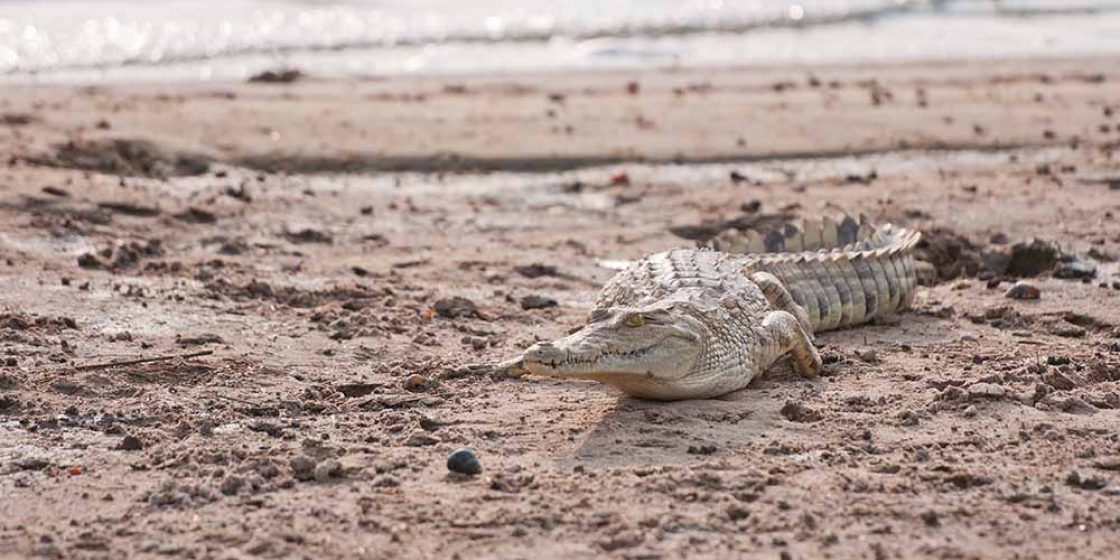
The Rufiji River: The park’s lifeblood, teeming with pods of hippos and some of the largest Nile crocodiles in Africa.
The Five Lakes: Lakes Tagalala, Manze, Nzelekela, Siwandu, and Mzizimia are interconnected waterways that draw incredible birdlife and thirsty mammals.
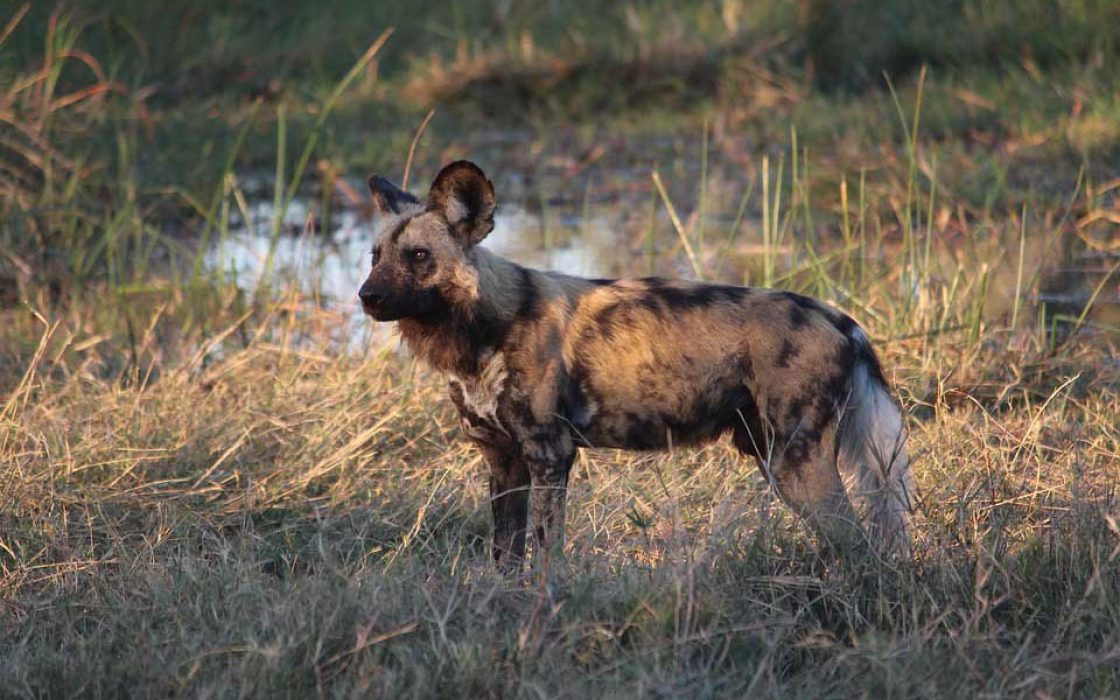
African Wild Dogs: Nyerere is one of the best places on the continent to see these endangered “painted wolves” in their natural habitat.
Stiegler’s Gorge: A dramatic canyon where the Rufiji River narrows significantly; it is the site of a major hydropower project and offers rugged, scenic views.
Beho Beho Hot Springs: Natural sulfur springs located in a hidden corner of the park where visitors can take a dip in the warm, therapeutic waters.
Activities
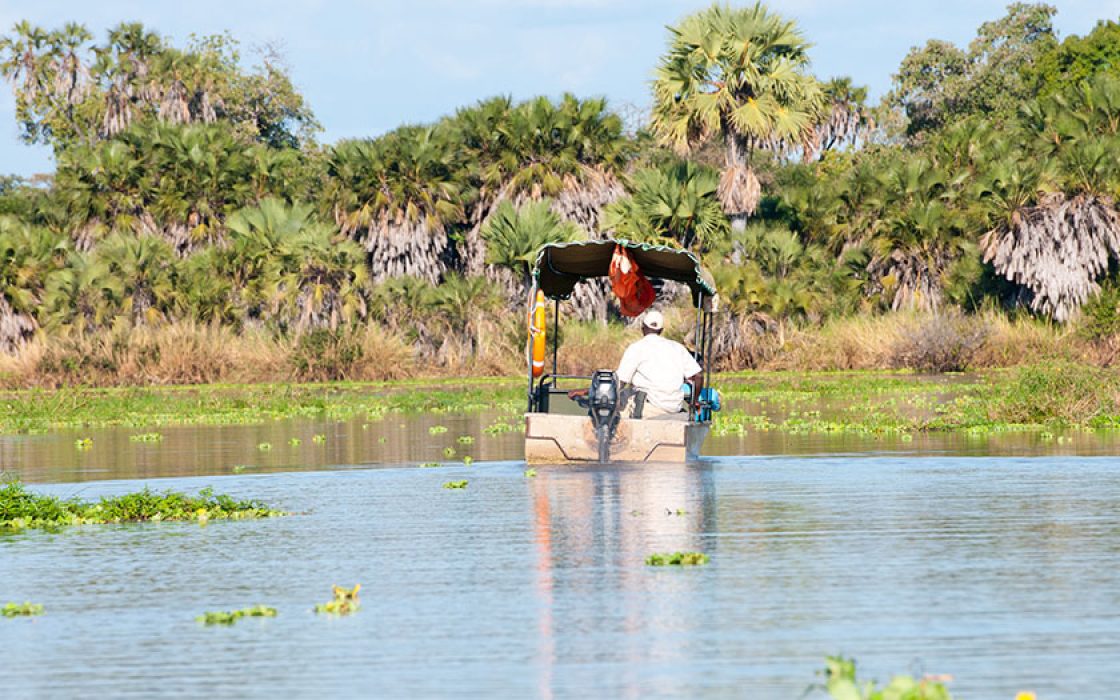
Boat Safaris: This is the hallmark of Nyerere. Drifting quietly along the river allows you to get incredibly close to hippos, crocodiles, and elephants bathing on the banks.
Walking Safaris: Nyerere is one of the premier locations for guided bush walks. Accompanied by an armed ranger, you can explore the Miombo woodlands and learn about the “Little Five.”
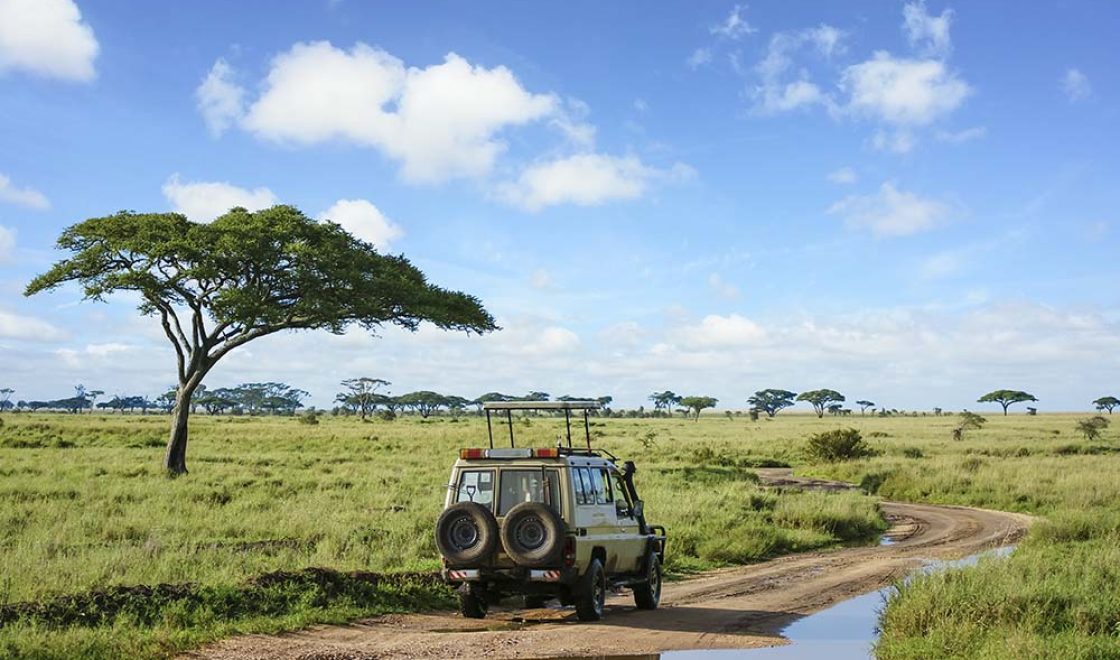
Game Drives: Traditional 4×4 safaris provide the best chance to see lions, leopards, and the park’s massive herds of buffalo.
Fly Camping: For the adventurous, some lodges offer overnight expeditions where you hike into the bush and sleep in a basic mosquito-net tent under the stars.
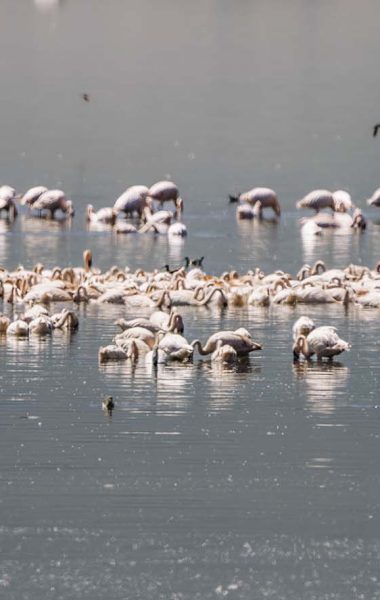
Birdwatching: With over 440 species, the park is an avian wonderland, particularly for water birds like the African skimmer and the white-backed night heron.