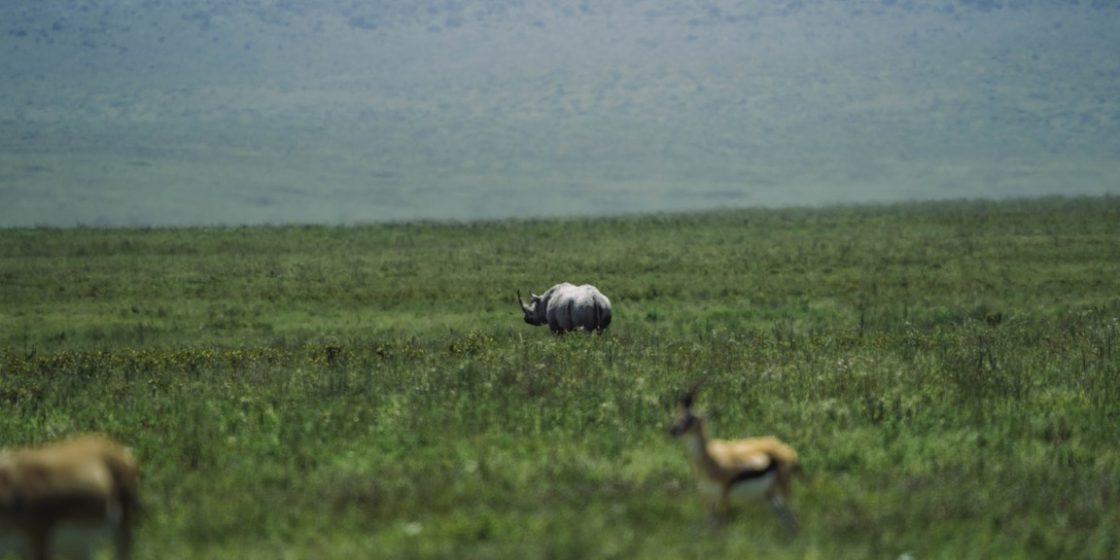
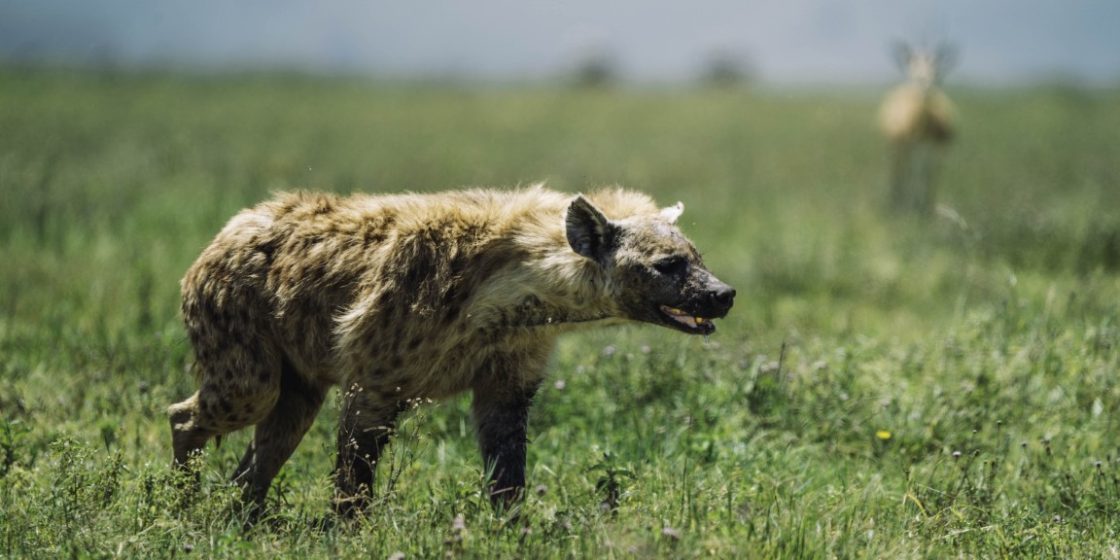
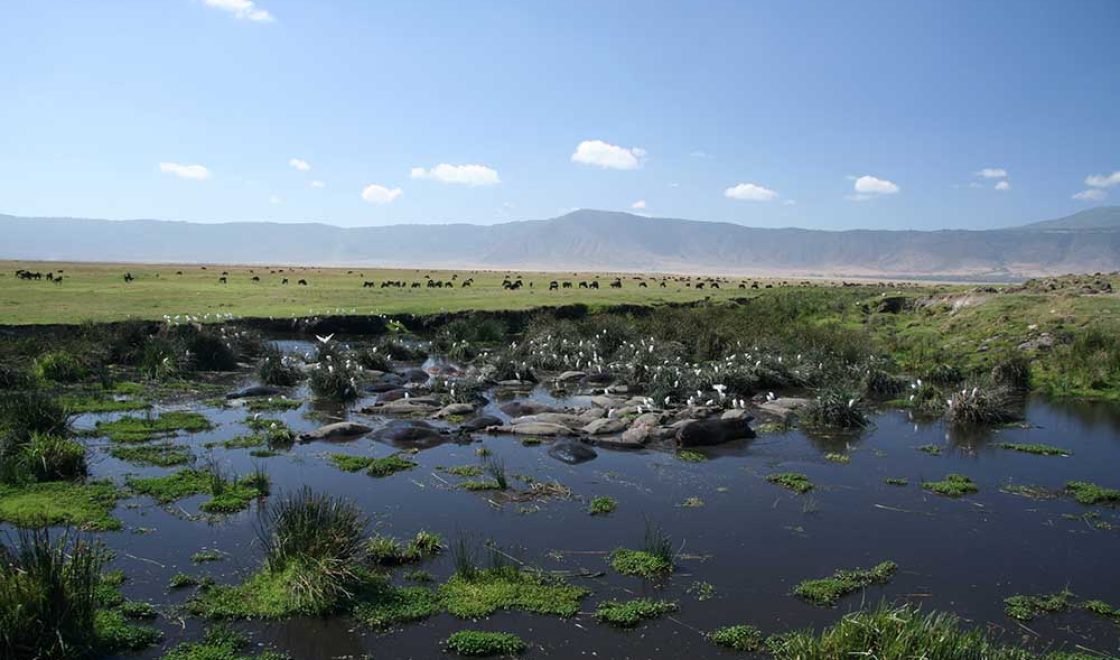
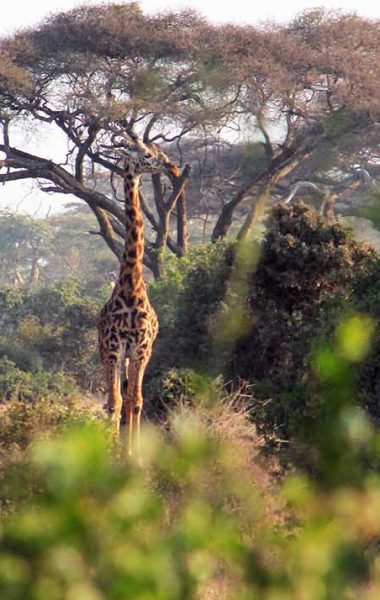
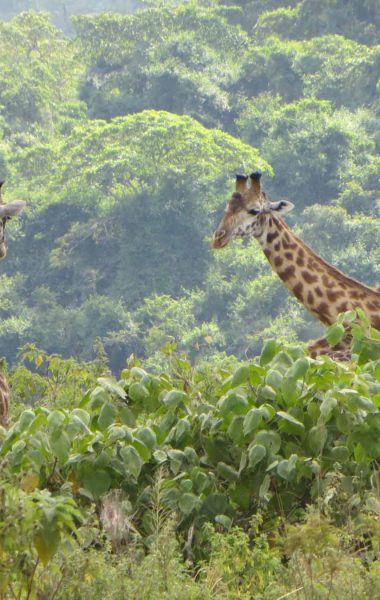
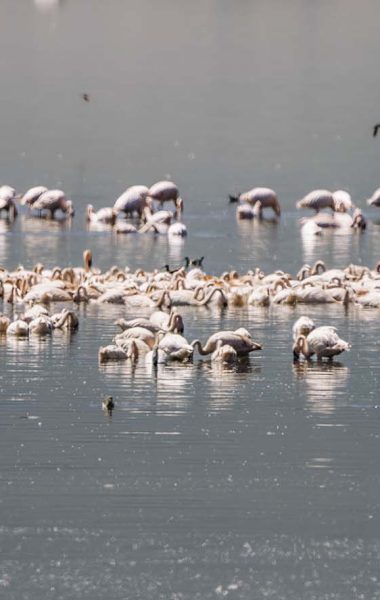
The Ngorongoro Crater is a breathtaking natural amphitheater and one of the world’s greatest geological wonders. Formed millions of years ago when a massive volcano collapsed inward, this intact, unfilled caldera creates a unique self-contained sanctuary that shelters a staggering concentration of African wildlife. Within its 600-meter-deep walls, a diverse tapestry of habitats—from golden savannas and fever tree forests to sparkling soda lakes—supports over 25,000 large mammals. It remains one of the most reliable places on the continent to witness the critically endangered black rhino and the legendary “Big Five” in a single day. Beyond its biological wealth, the crater is a place of deep human history, where Maasai pastoralists have lived alongside wildlife for centuries. This “Garden of Eden” provides a surreal, prehistoric atmosphere that feels disconnected from the modern world, offering a concentrated safari experience that is simply unparalleled in its beauty and density.
Climate
The high altitude of the crater rim (2,300 meters) makes this area much cooler than the Serengeti. During the dry season (June to October), mornings can drop near freezing with thick mists. The wet season, from November to May, brings lush greenery. Despite the rains, the crater floor remains accessible year-round, offering a different but equally stunning aesthetic each season.
Getting There
Access begins with a flight to Kilimanjaro or Arusha. From Arusha, it is a scenic three-hour drive on paved roads. Alternatively, domestic flights land at the Manyara airstrip, followed by a one-hour drive. All descents into the crater must be made in a 4×4 safari vehicle due to the extremely steep and narrow access roads.
Attractions
The Ngorongoro Crater: The world’s largest inactive, intact, and unfilled volcanic caldera. Its floor contains diverse habitats, including the Lerai Fever Tree Forest and Lake Magadi (a soda lake).
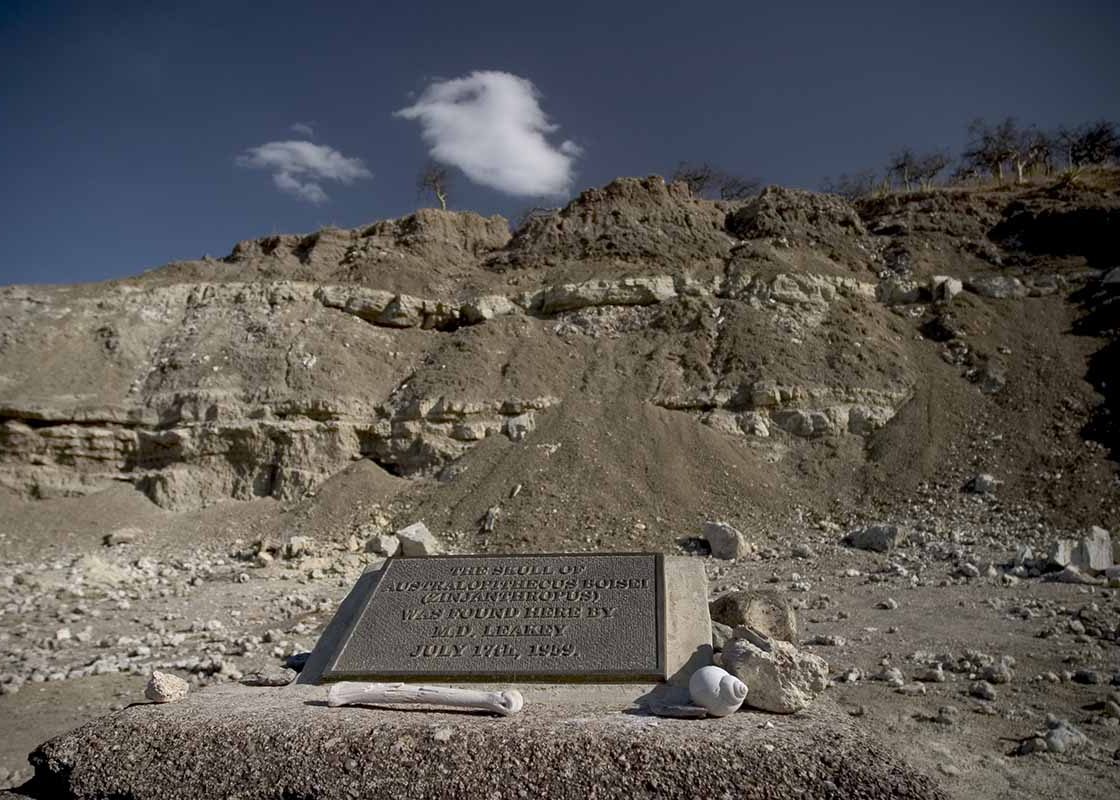
Olduvai Gorge & Museum: Known as the “Cradle of Mankind,” this is where Louis and Mary Leakey discovered hominid fossils dating back millions of years. The museum on-site provides a fascinating look at human evolution.
Laetoli Footprints: Located near the gorge, these are 3.6-million-year-old fossilized footprints of our early ancestors, preserved in volcanic ash.
Shifting Sands: A remarkable geological phenomenon consisting of a crescent-shaped dune of volcanic ash that moves across the desert floor at a rate of about 17 meters per year due to the wind.
Gol Mountains: Remote and rugged mountains in the northern part of the conservation area, often described as the “Mountains of God” by the Maasai. They offer a stark, beautiful wilderness experience away from the main tourist tracks.
Activities
Crater Floor Game Drives: A descent 600 meters down into the caldera. Because of the enclosed nature of the crater, wildlife is highly concentrated, making it possible to see the Big Five (lion, leopard, elephant, buffalo, and rhino) in a single day.
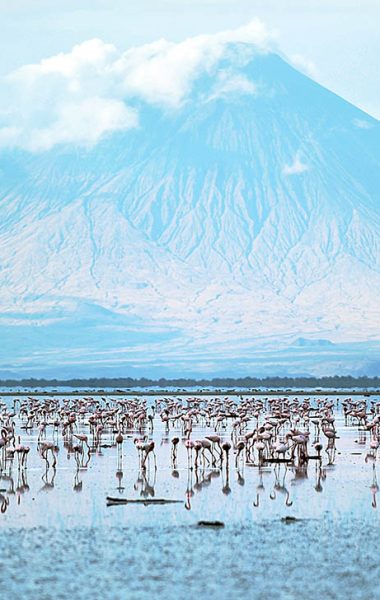
Highland Trekking: Beyond the main crater, you can hike to the Empakaai or Olmoti Craters. Empakaai features a deep soda lake filled with flamingos, while Olmoti offers beautiful waterfalls and encounters with Maasai herders.
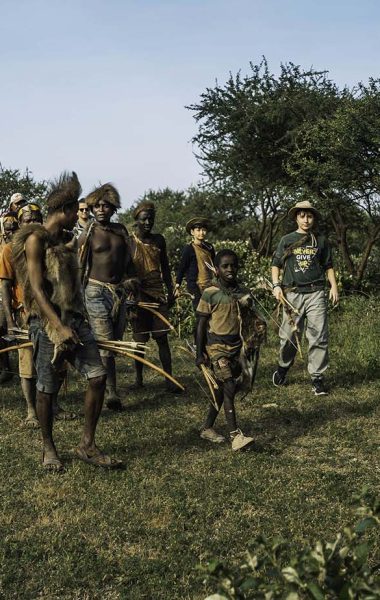
Cultural Boma Visits: The Ngorongoro is a multiple land-use area where the Maasai live alongside wildlife. Visiting a Boma (village) allows you to see traditional dances, learn about their pastoral lifestyle, and purchase local beadwork.
Archaeological Tours: Visit the sites where some of the earliest evidence of human ancestors was found.