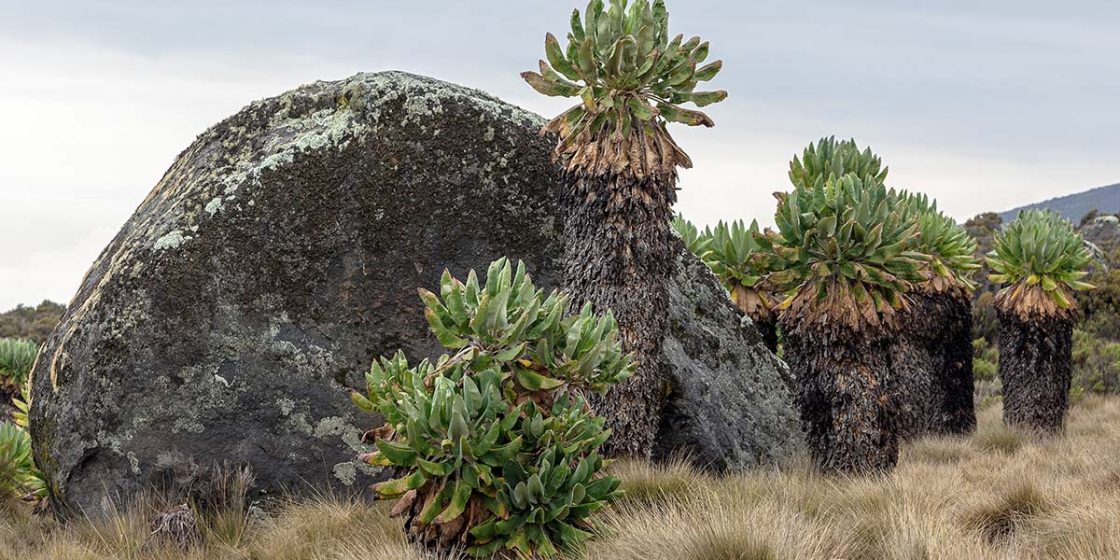
Mount Kilimanjaro National Park is home to the “Roof of Africa,” the highest free-standing mountain in the world and the tallest peak on the African continent. Rising majestically to 5,895 meters above the surrounding plains, this UNESCO World Heritage site is defined by its dramatic verticality. Unlike other parks where the focus is on horizontal vastness, Kilimanjaro is a journey through five distinct climate zones—starting from lush tropical rainforests at the base, through heath, moorland, and alpine desert, and finally reaching an arctic summit of ice and snow. The park protects not just the mountain itself, but the vital water catchment areas and diverse wildlife found in the lower forest belts. For most, Kilimanjaro is not just a park to be seen, but a challenge to be conquered, representing the ultimate test of human endurance and the raw beauty of the natural world.
Climate
The climate on Mount Kilimanjaro is incredibly varied due to the massive change in altitude. At the base, conditions are warm and humid with temperatures around 25°C to 30°C. As you ascend, temperatures drop significantly; at the summit (Uhuru Peak), nighttime temperatures can plummet to -15°C or even -25°C with wind chill. The Dry Seasons (January to March and June to October) are the most popular times for climbing, offering clear skies and the best visibility. The Wet Seasons (April to May and November) bring heavy rain to the lower slopes and deep snow to the summit, making trekking considerably more difficult and dangerous.
Getting There
The park is easily accessible via Kilimanjaro International Airport (JRO), which is located midway between the towns of Arusha and Moshi. Moshi is the traditional gateway for Kilimanjaro treks, situated just at the foot of the mountain about a 45-minute drive from the airport. There are several entry gates depending on the chosen climbing route, such as Marangu, Machame, Lemosho, and Rongai. Most travelers arrive in Tanzania and spend at least one “acclimatization night” in Moshi or Arusha before heading to the park gates to begin their ascent.
Attractions
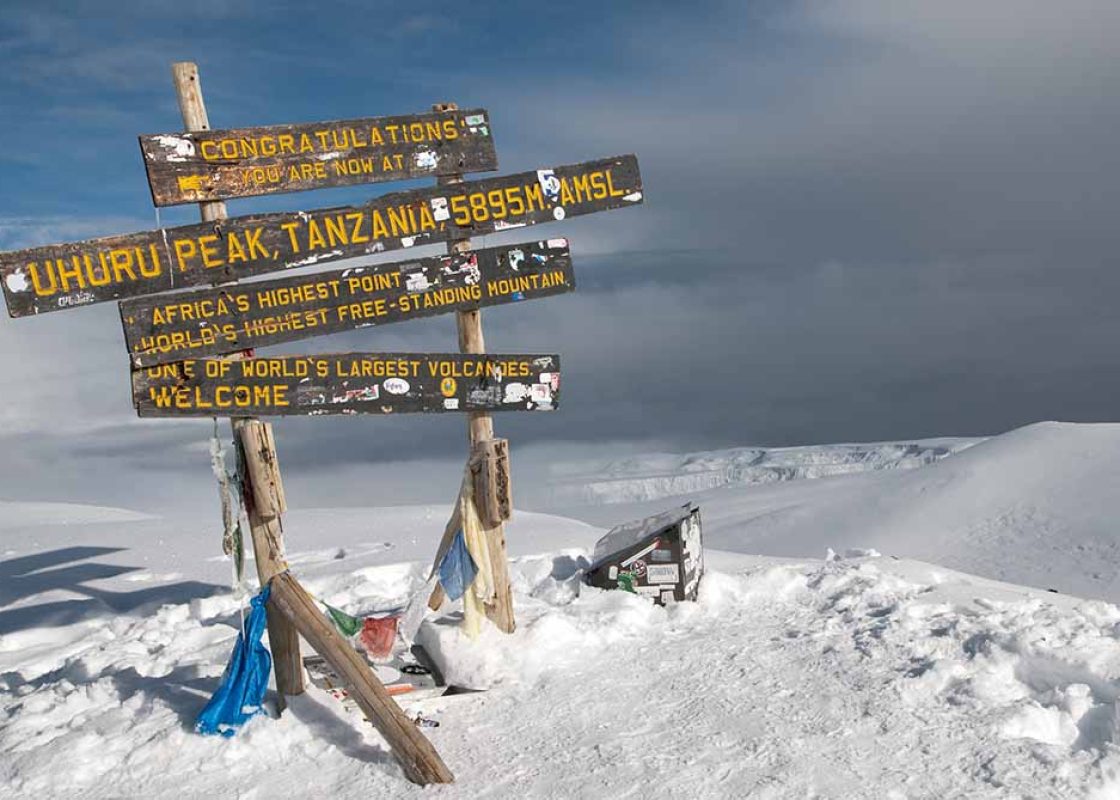
Uhuru Peak: The highest point in Africa (5,895m), the ultimate goal for trekkers and a place of profound triumph.
Furtwängler Glacier: A remnant of the vast ice cap that once covered the summit, these striking blue ice formations provide a surreal contrast to the volcanic ash.
Shira Plateau: A vast, high-altitude plateau that offers some of the most scenic views on the mountain, especially on the Lemosho and Machame routes.
Kibo, Mawenzi, and Shira Peaks: The three volcanic cones that make up the Kilimanjaro massif, with Kibo being the youngest and only dormant one (the other two are extinct).
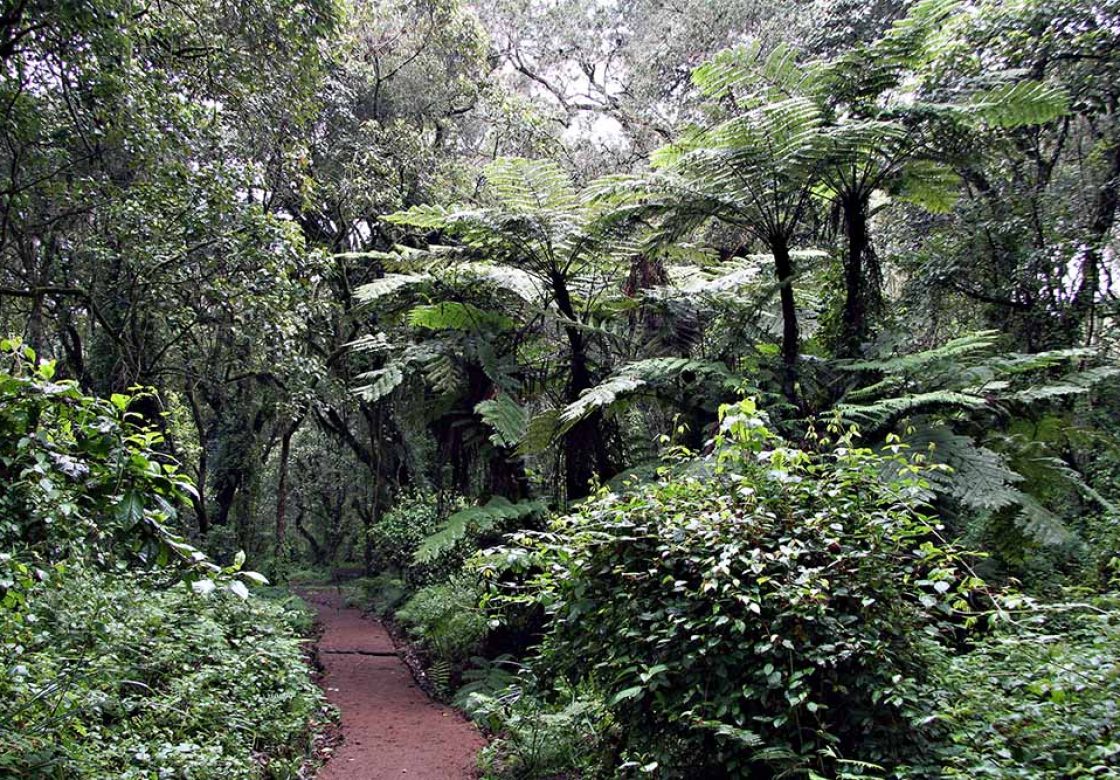
The Rainforest Belt: The lower reaches of the park are home to a dense canopy filled with ancient trees, orchids, and ferns, often shrouded in a mystical mountain mist.
Activities
Mountain Trekking: The primary activity, with various routes (Marangu, Machame, Lemosho, Rongai, Northern Circuit) ranging from 5 to 9 days to suit different experience levels and budgets.
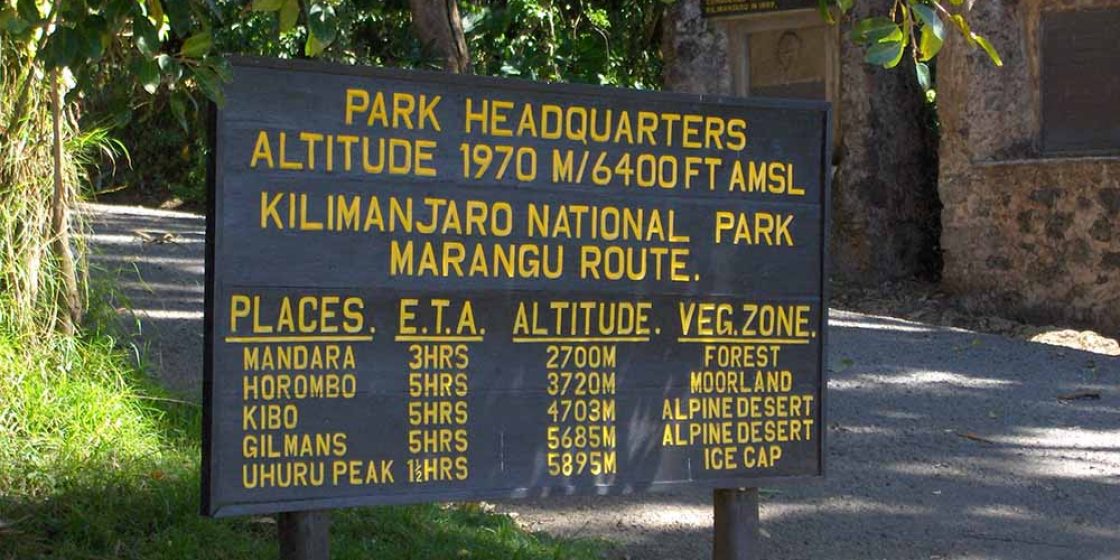
Day Hikes: For those not wishing to summit, guided day hikes through the rainforest to the first hut (like Mandara Hut on the Marangu route) offer a taste of the mountain’s beauty and a chance to see primates and birds.
Birdwatching: The montane forest is home to over 170 species of birds, including the rare Abbot’s starling and the colorful Hartlaub’s turaco.
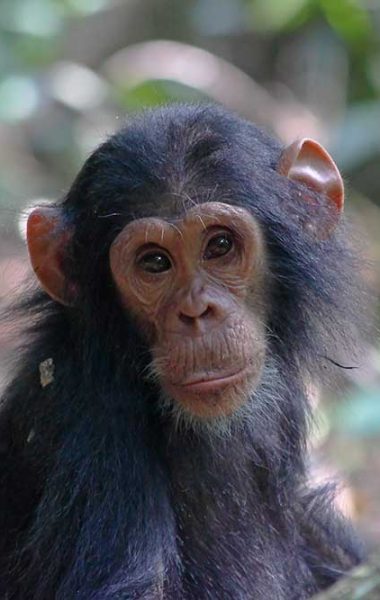
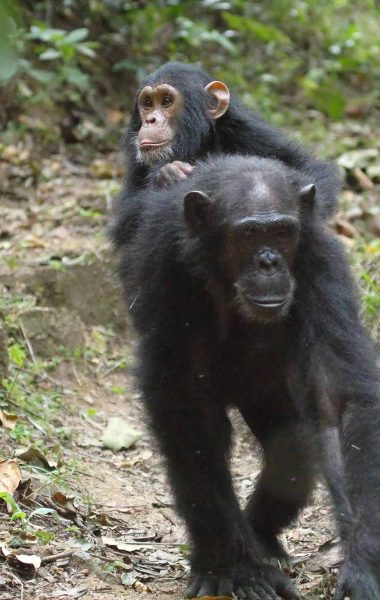
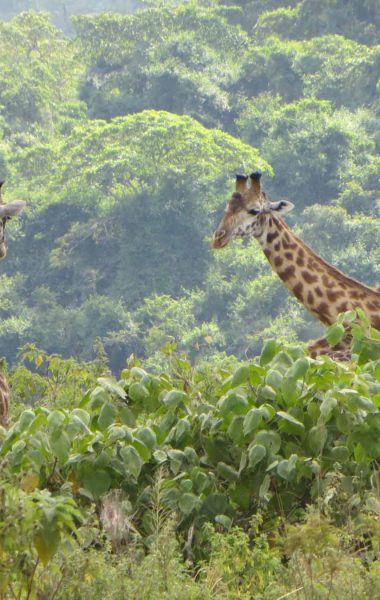
Wildlife Spotting: While not a traditional safari destination, the lower forests house elephants, buffaloes, leopards, and several primate species like the blue monkey and colobus monkey.
Photography: Capturing the iconic image of the snow-capped peak rising above the African savanna (often with elephants in the foreground) is a bucket-list activity for photographers.