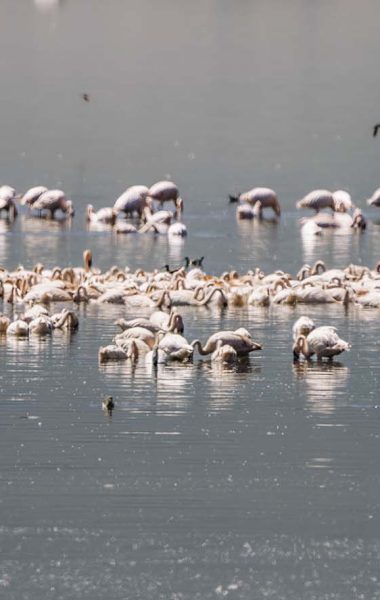
Mikumi National Park
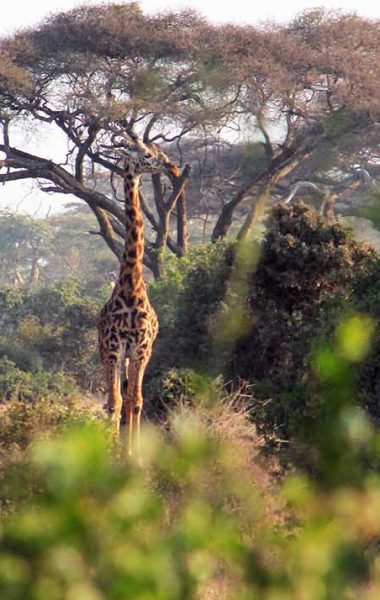
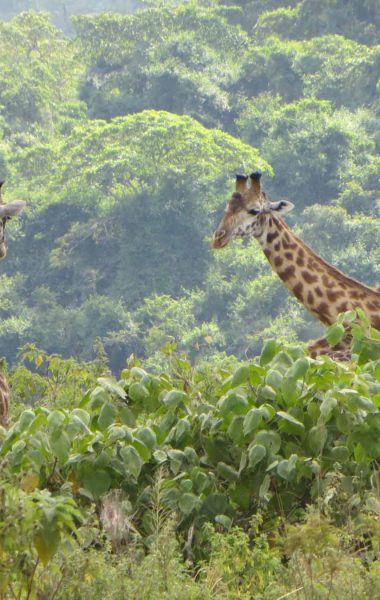
Often called “The Little Serengeti,” Mikumi National Park is the fourth-largest national park in Tanzania and the most accessible for those starting in Dar es Salaam. The park is dominated by the Mkata Floodplain, a vast, open grassland that bears a striking resemblance to the Serengeti plains. Framed by the Uluguru and Rubeho Mountains, Mikumi offers a stunning, compact safari experience. Because the main A7 highway actually bisects the park, it is one of the few places where you can see giraffes and elephants crossing the road as you drive by. It is a perfect destination for those with limited time who still want a “Big Five” experience (minus the rhino) in a landscape of baobabs and golden savannas.
Climate
Mikumi has a tropical, relatively consistent climate. The Dry Season (June to October) is the prime time for visits; as the grass thins and water becomes scarce, animals gather in massive numbers around the Mkata River and the hippo pools. Daytime temperatures are a comfortable 25°C to 30°C. The Wet Season (November to May) brings lush, emerald-green landscapes. While the “long rains” in April and May can make some secondary tracks muddy, the northern part of the park remains accessible year-round. This is also the best time for birding, as the humidity rises and migratory species arrive.
Getting There
Mikumi is the most accessible “bush” safari from Tanzania’s commercial capital.
By Road: It is a four to five-hour drive (approx. 300 km) from Dar es Salaam on a well-paved highway. This accessibility makes it the top choice for weekend getaways or 2-3 day safaris.
By Train: You can take the SGR (Standard Gauge Railway) from Dar es Salaam to Kilosa or Morogoro, followed by a taxi or private transfer to the park, which significantly reduces travel time and adds a scenic rail experience.
By Air: Scheduled and charter flights land at the Kikoboga Airstrip within the park, typically taking just 45 minutes from Dar es Salaam or Zanzibar.
Attractions
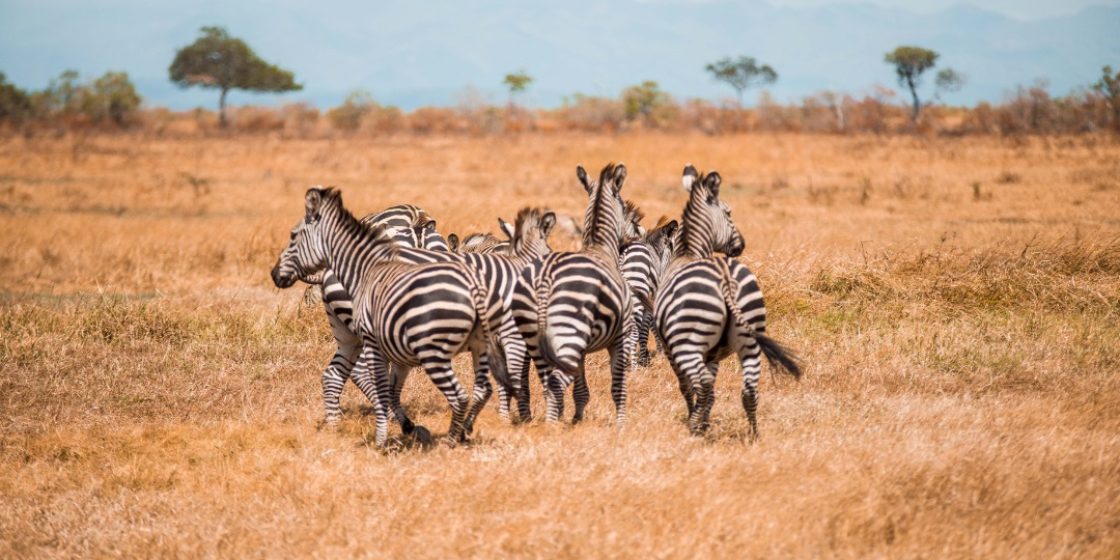
Mkata Floodplain: The park’s centerpiece, often compared to the Serengeti for its wide vistas and high concentration of herbivores like zebras, wildebeests, and impalas.
The Hippo Pools: Located near the main entrance, these are two large pools where you can observe dozens of hippos wallowing at close range, often accompanied by various water birds.
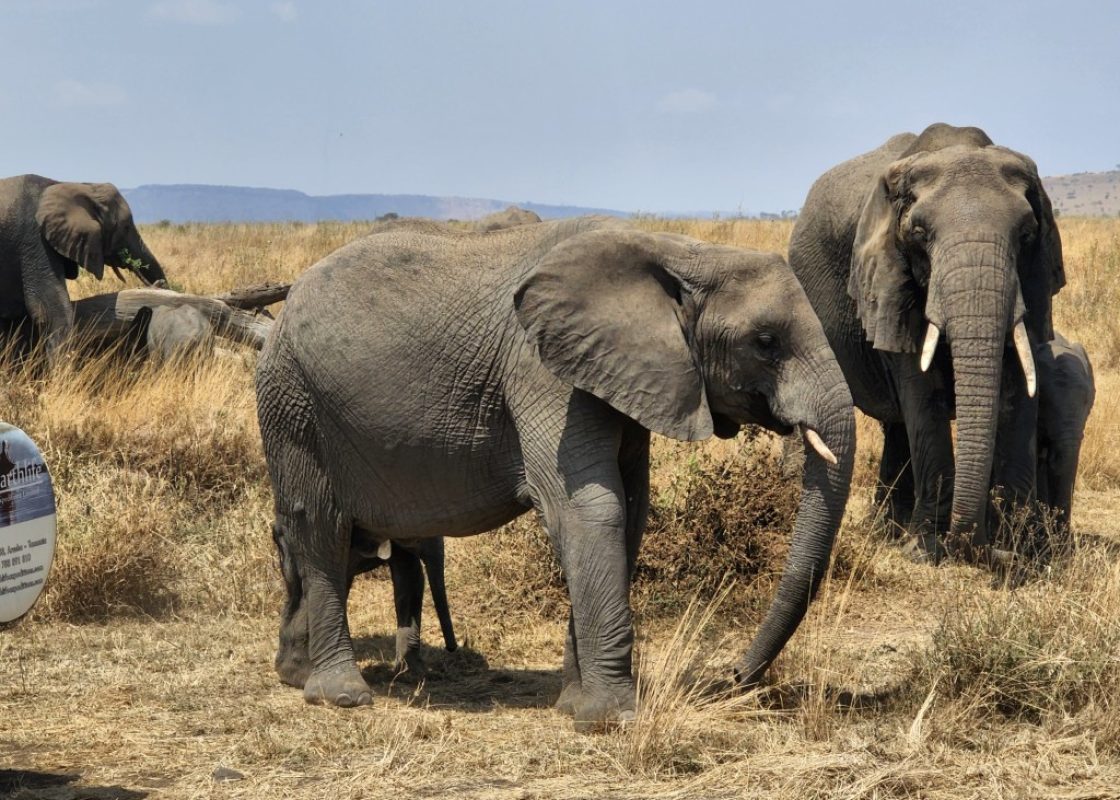
“Little Serengeti” (Millennium Area): A specific section of the plains known for its particularly high density of buffaloes, giraffes, and elephants.
Lichtenstein’s Hartebeest: Mikumi is one of the few places where you can reliably spot this rare and distinctive antelope.
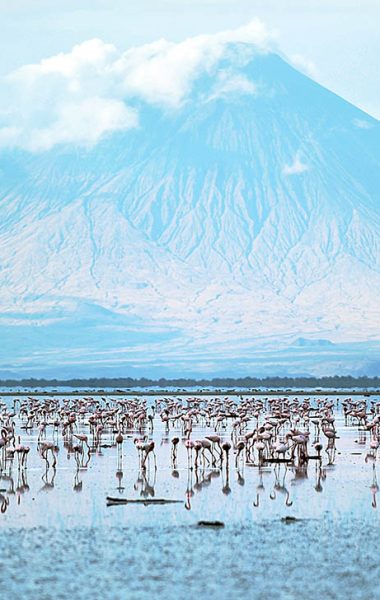
The Uluguru & Rubeho Mountains: These towering ranges provide a dramatic backdrop for photography, especially during sunrise and sunset.
Activities
Game Drives: Both morning and afternoon drives are incredibly productive. Lions are frequently seen perched on the flat-topped termite mounds, using them as lookouts across the plains.
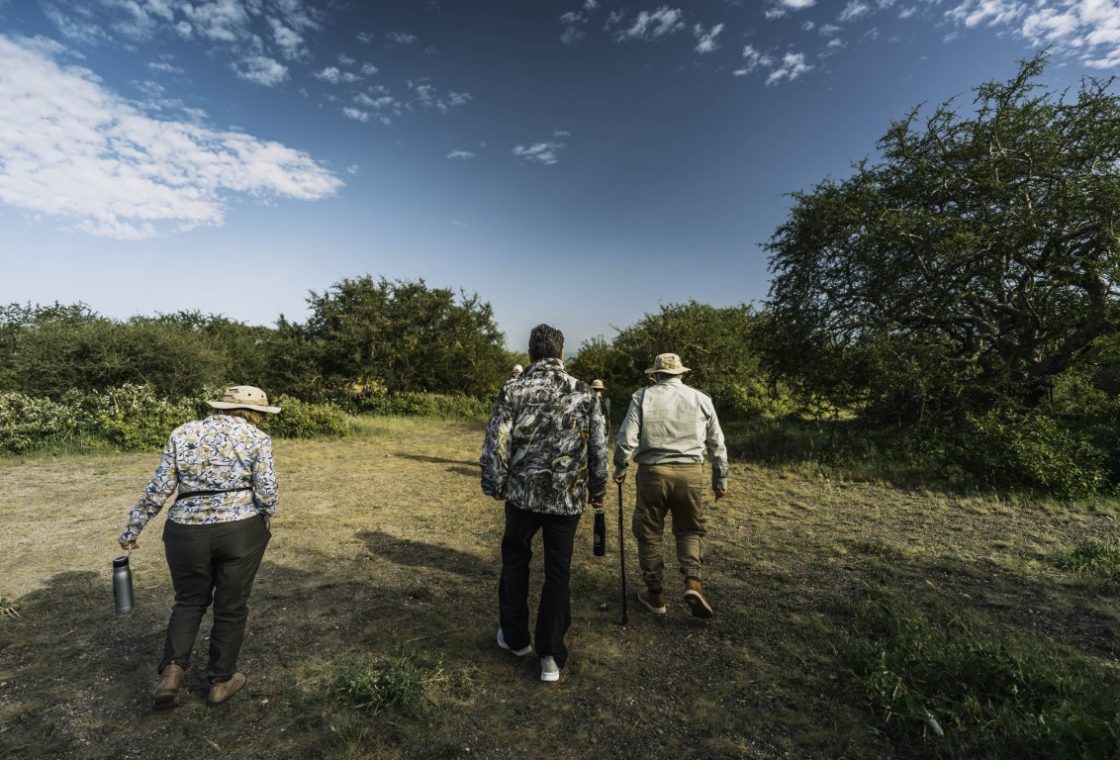
Walking Safaris: Accompanied by an armed ranger, short walks (3-4 hours) are available in designated areas like the Vuma Hills, offering a thrilling up-close look at the flora and fauna.
Night Game Drives: Some lodges offer the rare opportunity to see nocturnal predators like leopards and hyenas on the hunt, as well as smaller creatures like bushbabies.
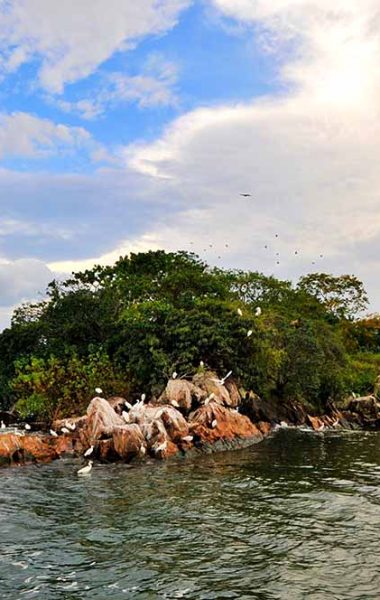
Birdwatching: With over 400 species, the park is a paradise for birders. Look for the lilac-breasted roller, the bateleur eagle, and various migratory storks near the swamps.
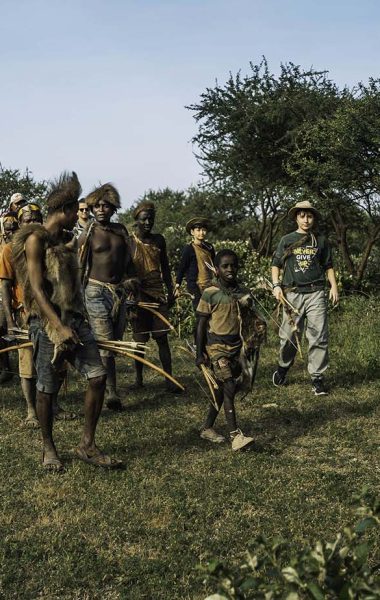
Cultural Visits: You can visit nearby villages like Mikumi town to experience local Tanzanian life, traditional markets, and Sukuma or Maasai cultural dances.