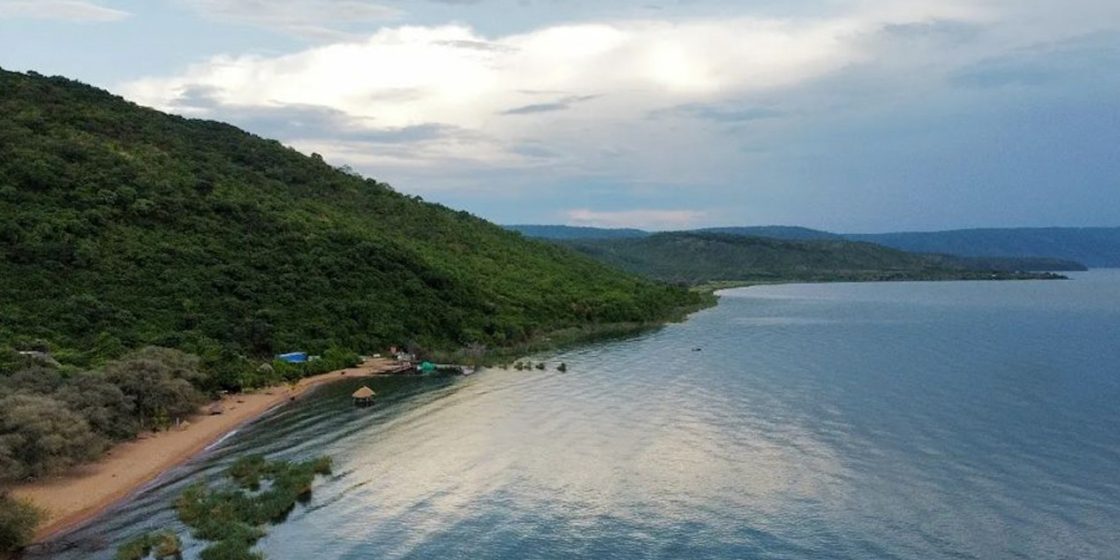
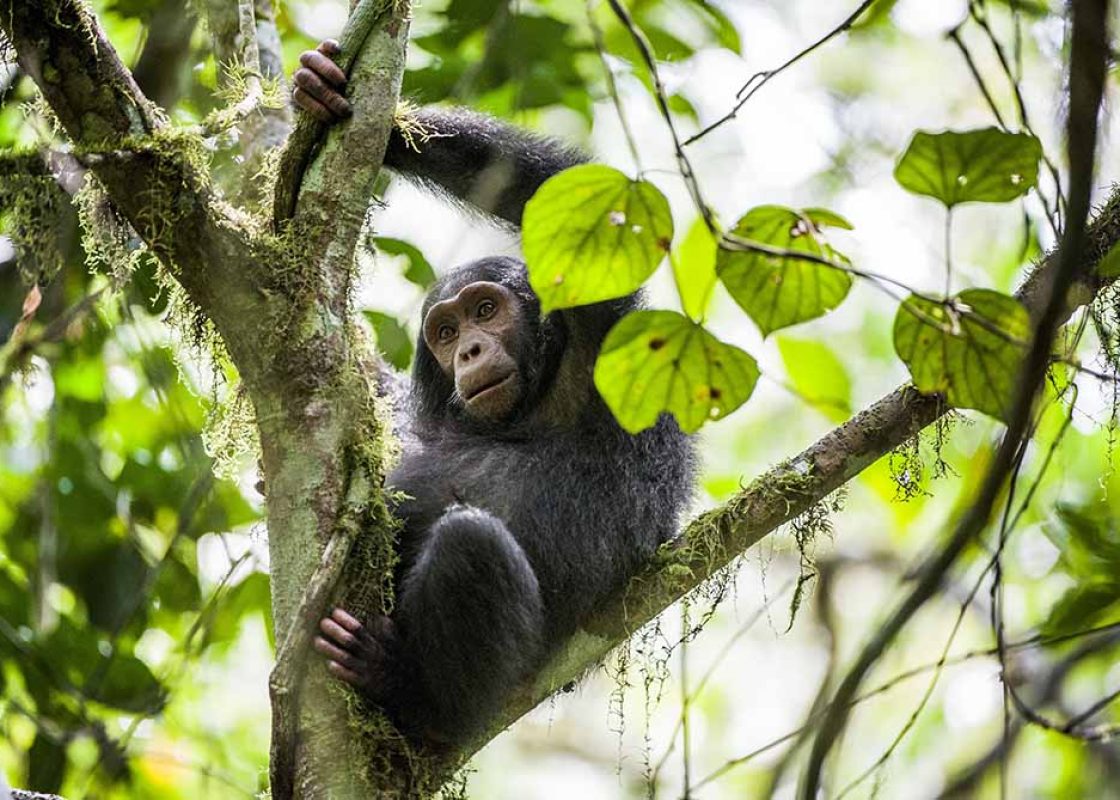
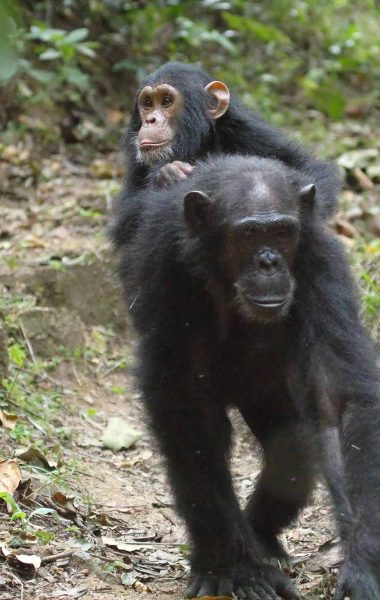
Mahale Mountains National Park is often described as one of the most beautiful and remote wilderness areas in Africa. Tucked away on the eastern shores of Lake Tanganyika, this park is a dramatic intersection of lush tropical rainforest and white sandy beaches. The park is dominated by the Mahale Mountain range, with its highest peak, Mount Nkungwe, rising to 2,462 meters. Because there are no roads within the park, exploration is done entirely on foot or by boat, creating an atmosphere of absolute tranquility. It is most famous for harboring one of the world’s largest populations of wild chimpanzees, which have been habituated by Japanese researchers since the 1960s, offering visitors a profound and intimate connection with our closest relatives.
Climate
The climate in Mahale is tropical and influenced by its varied topography. The Dry Season (June to October) is the most popular time to visit; the air is crisp, the sky is clear, and the lake is calm. During these months, chimpanzees tend to stay on the lower slopes of the mountains, making trekking significantly easier. The Wet Season (November to May) transforms the park into a vibrant, emerald paradise. While the rains can make trails slippery and the humidity rises, it is a spectacular time for birdwatching and photography, as the forest is filled with blooming orchids and butterflies. Note that some high-end lodges close during the heaviest rains in April and May.
Getting There
Mahale is one of the most remote parks in Tanzania, and reaching it is part of the adventure. There are no roads leading into the park, so all visitors arrive by air or water.
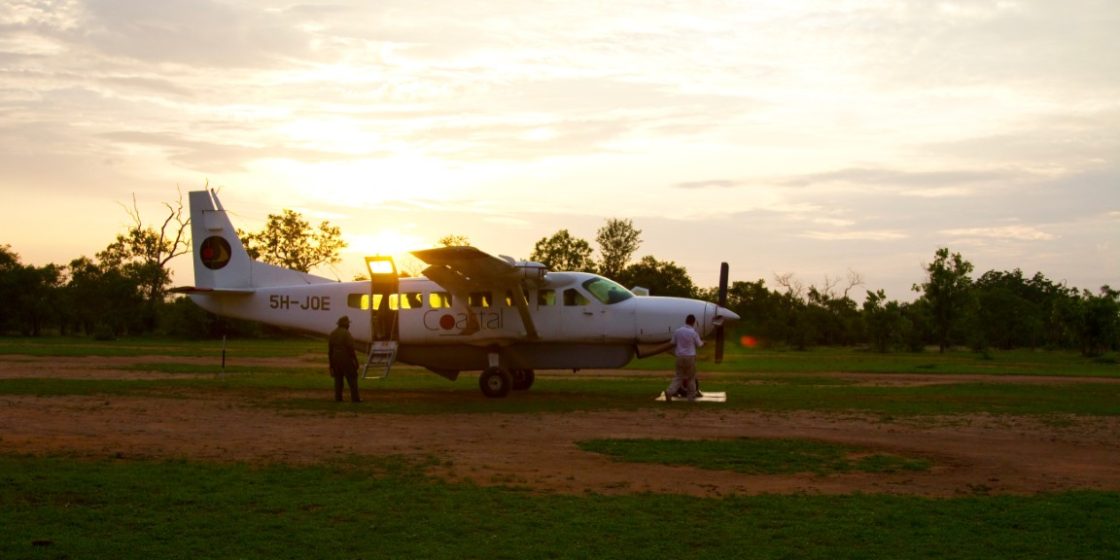
By Air: The easiest way is via a scheduled or charter flight from Arusha or Dar es Salaam to the Mahale Airstrip. These flights are often part of a fly-in safari package and usually run twice a week (typically Mondays and Thursdays).
By Water: Most travelers take a 90-minute to two-hour boat transfer from the airstrip to their lodge. Adventurous travelers can also reach Mahale from the town of Kigoma via a private speedboat (4–6 hours) or the historic MV Liemba steamship, which stops at nearby Lagosa Point.
Attractions
The “M” Group Chimpanzees: A community of around 60 habituated chimpanzees that allow for extraordinary up-close observation.
Mount Nkungwe: The park’s highest peak, a place of spiritual significance to the local Tongwe people and a challenging goal for mountain climbers.
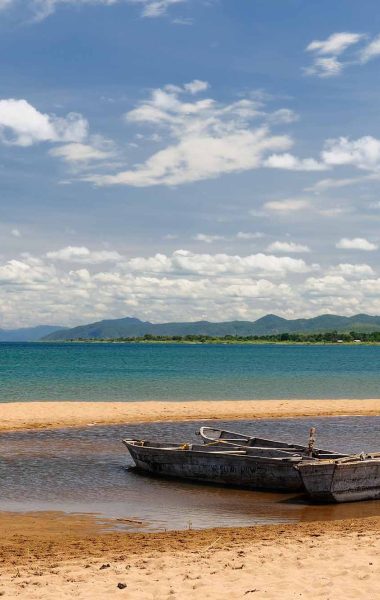
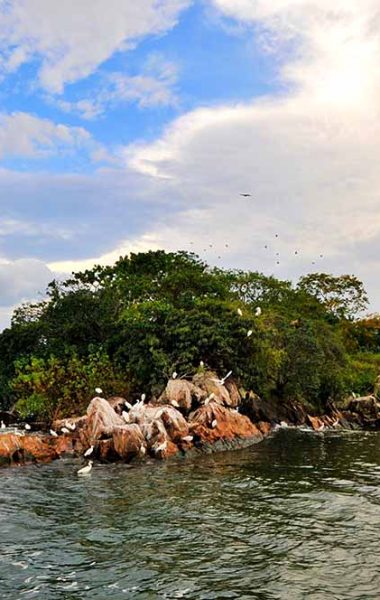
Lake Tanganyika: The world’s longest freshwater lake, featuring crystal-clear turquoise waters and beaches that feel more like the Caribbean than East Africa.
Diverse Primate Species: In addition to chimps, the park is home to nine other primate species, including the red colobus monkey, red-tailed monkey, and yellow baboon.
Alpine Bamboo and Rainforest: The park’s vegetation zones shift dramatically from lowland forest to high-altitude bamboo belts, providing a diverse backdrop for hikers.
Activities
Chimpanzee Tracking: The park’s signature activity. Led by expert guides, you trek into the forest to find the chimps and spend one life-changing hour watching them socialise, forage, and groom.
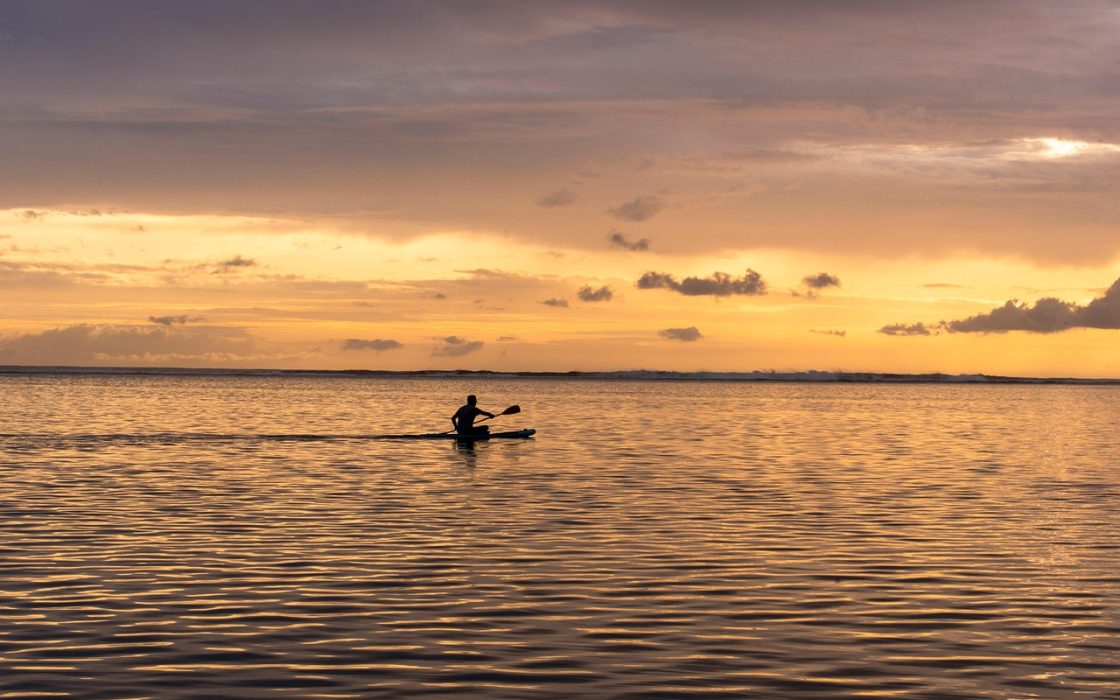
Snorkeling and Kayaking: The clear waters of the lake are home to over 250 species of endemic cichlid fish, which can be seen easily with a mask and snorkel.
Hiking to Mount Nkungwe: A multi-day trek (usually 3 days) to the summit, offering breathtaking views across the lake toward the mountains of the Democratic Republic of Congo.
Sport Fishing: Guests can try their hand at catch-and-release fishing for Nile perch and other local species.
Dhow Sunset Cruises: Drifting on a traditional wooden boat as the sun sets behind the mountains is the perfect way to end a day of trekking.