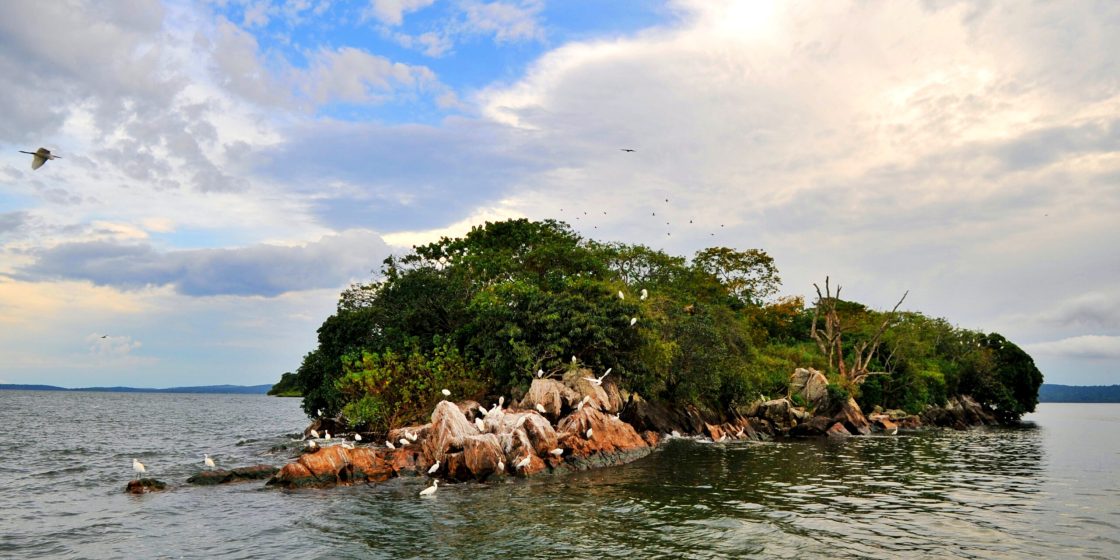
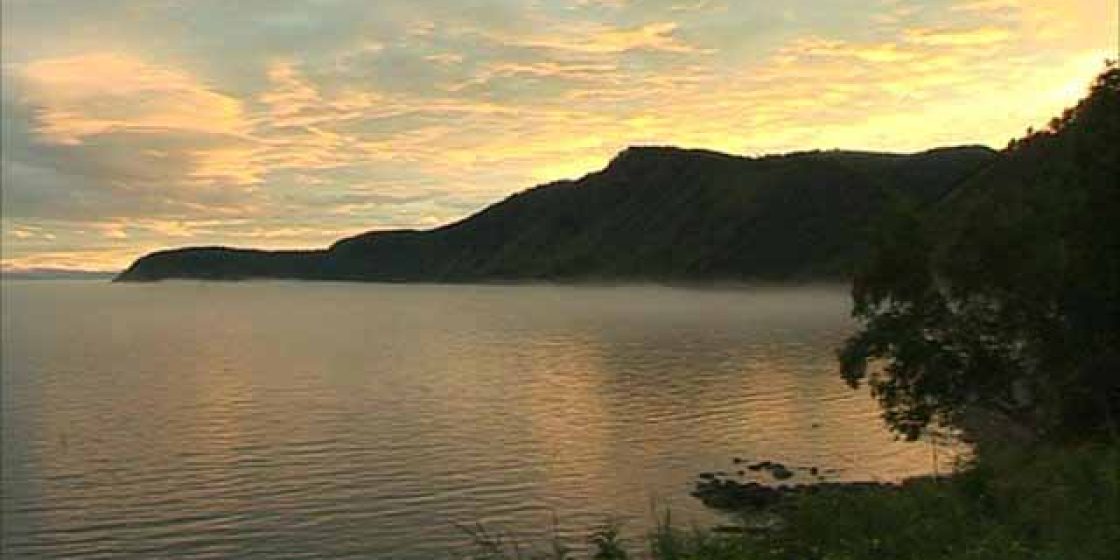
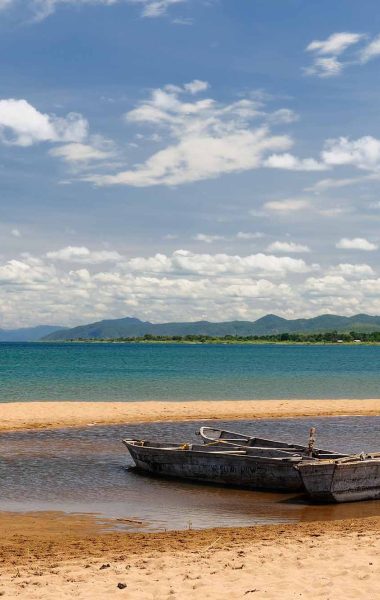
Lake Victoria, known locally as Nam Lolwe or Victoria Nyanza, is the largest tropical lake in the world and the chief reservoir of the Nile.Spanning across Tanzania, Uganda, and Kenya, the Tanzanian portion covers the southern half of this “inland sea,” characterized by a rugged coastline of deep bays, sandy beaches, and thousands of verdant islands. Unlike the dry, dusty plains of the typical safari circuit, Lake Victoria offers a lush, water-dominated landscape where life revolves around the rhythm of the tides and the bountiful fishing trade. It is a place of immense tranquility and vibrant local culture, where the sunset paints the water in shades of gold and violet, and the calling of African fish eagles provides the soundtrack to a world that feels both ancient and vital.
Climate
The climate around Lake Victoria is tropical and humid, moderated by the lake’s massive surface area. Temperatures are remarkably stable throughout the year, with daily highs typically reaching 28°C to 30°C. The region experiences a bi-modal rainfall pattern: the “long rains” occur from March to May, and the “short rains” fall between October and December. The Dry Season (June to September) is the most popular time for travelers, as the humidity is lower and the cooling lake breezes make the sunny days very pleasant. Even during the wet months, the rain often comes in short, dramatic afternoon bursts, leaving the rest of the day clear and the air refreshed.
Getting There
The main gateway to the Tanzanian side of Lake Victoria is the bustling port city of Mwanza, often called “Rock City” for the massive granite boulders that dot its landscape. Mwanza is well-connected by daily flights from Dar es Salaam, Kilimanjaro, and the Serengeti. For those on a driving safari, the lake is a scenic three to four-hour journey from the western gates of the Serengeti National Park. Traveling by train from Dar es Salaam or Dodoma is a long but legendary journey for slow-travel enthusiasts. Within the lake region, travel between islands like Ukerewe or Rubondo is conducted via public ferries or private speedboats, providing a unique perspective of the shoreline.
Attractions
Mwanza (Rock City): Famous for the Bismarck Rock, a massive precariously balanced boulder sitting in the water near the harbor, and its lively fish markets.
Ukerewe Island: The largest inland island in Africa, known for its peaceful rural atmosphere, historic palaces, and “Agutut” (a unique albino community that has found sanctuary here).
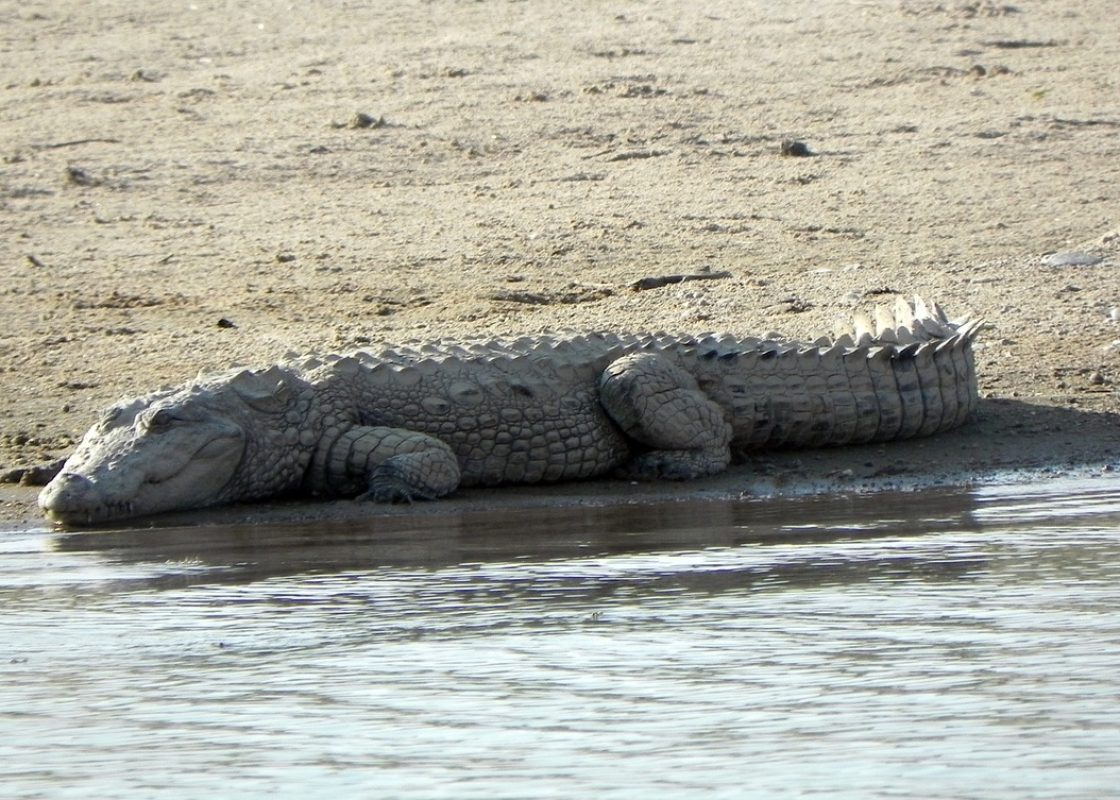
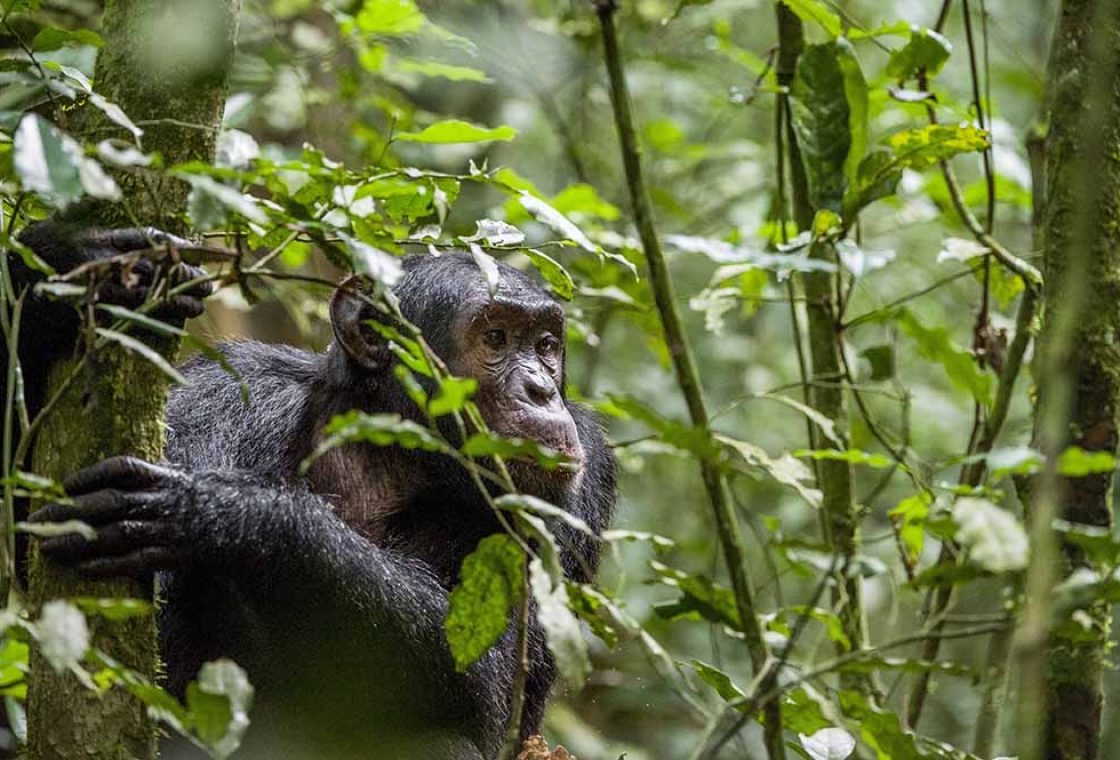
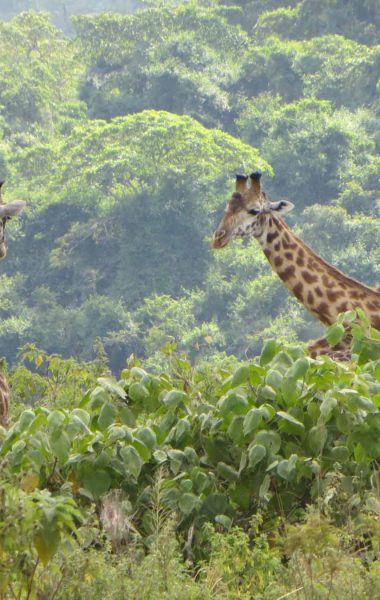
Saa Nane Island National Park: Located just a short boat ride from Mwanza, this is Tanzania’s smallest national park, featuring rocky outcrops and a variety of rescued wildlife.
Speke Bay: Named after the explorer John Hanning Speke, this area offers a serene retreat with traditional fishing villages and expansive views across the water.
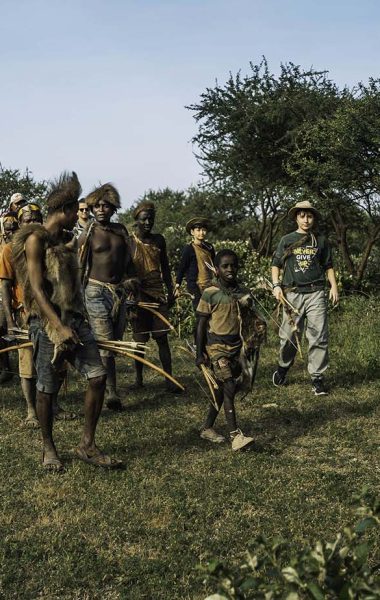
Bujora Sukuma Museum: Located just outside Mwanza, this open-air museum celebrates the heritage of the Sukuma people, Tanzania’s largest ethnic group, through traditional architecture, dance, and drumming.
Activities
Artisanal Fishing Trips: Join local fishermen in their wooden dhows to learn traditional methods of catching Nile perch or tilapia, often culminating in a fresh fish BBQ on the shore.
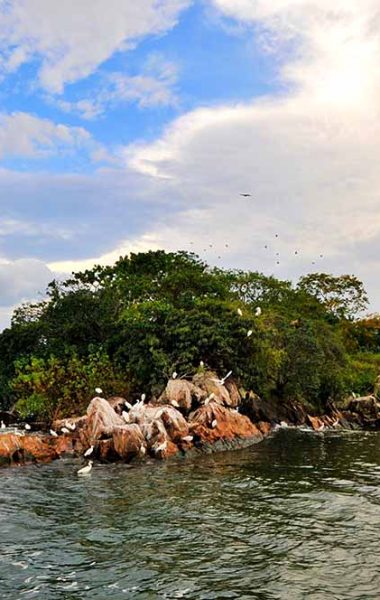
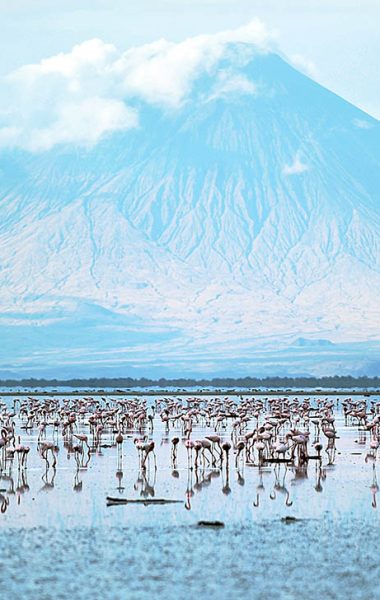
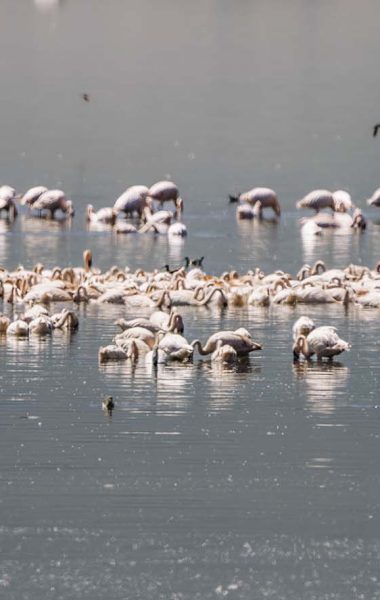
Birdwatching: The lake’s wetlands are home to over 300 bird species, including kingfishers, egrets, and the iconic African fish eagle.
Cycling and Hiking: Ukerewe Island is a perfect destination for exploring on two wheels, with flat, sandy paths that wind through fruit orchards and small villages.
Canoeing and Boat Cruises: Sunset cruises are a highlight, offering a front-row seat to the dramatic colors of the lake as the local fishing fleet sets out for the night with their lanterns.
Cultural Village Tours: Walk through the lakeside “bomas” to see how the locals dry sardines (dagaa) in the sun and build the sturdy wooden boats that navigate these vast waters.