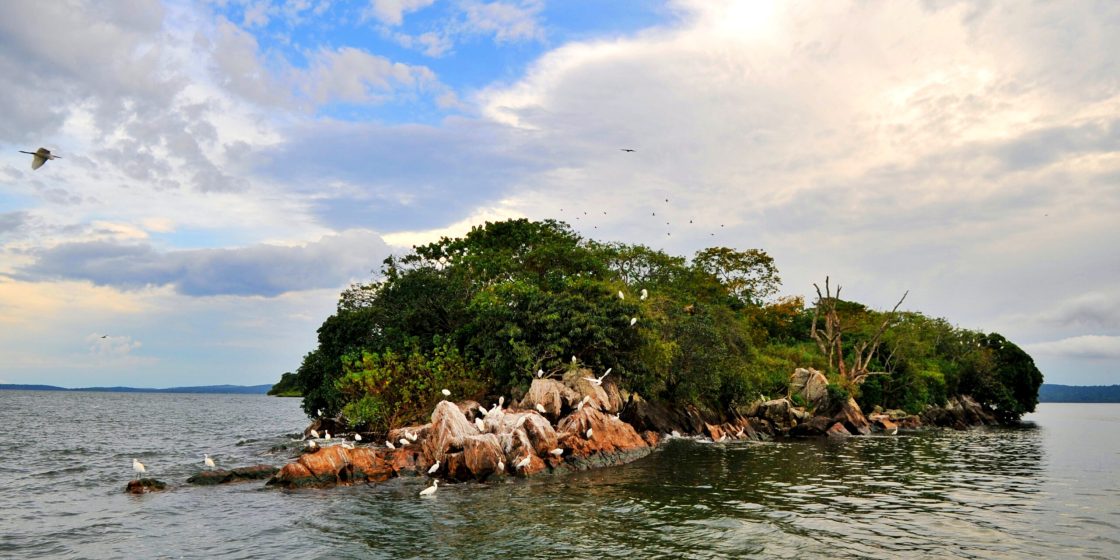
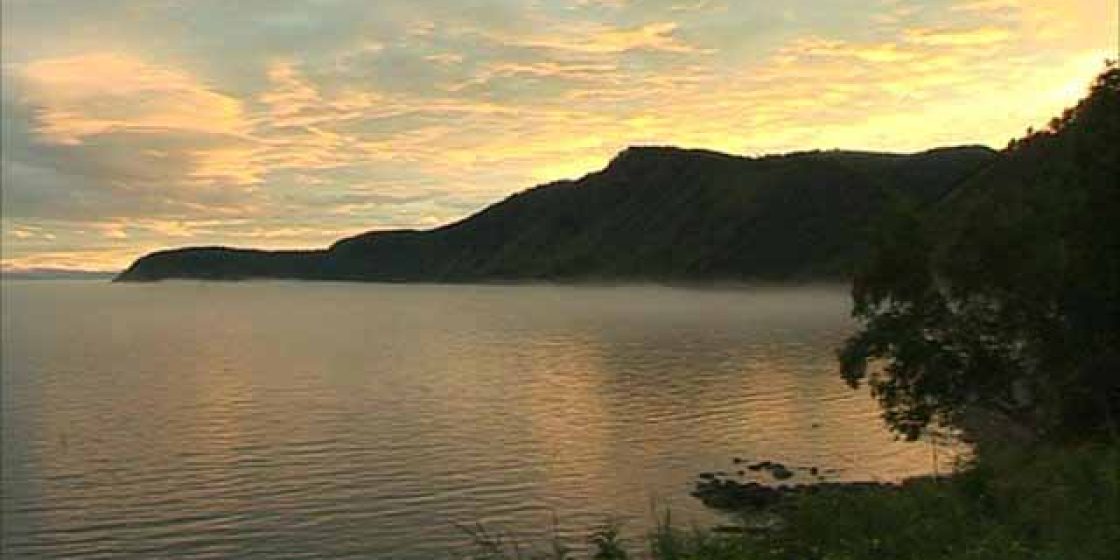
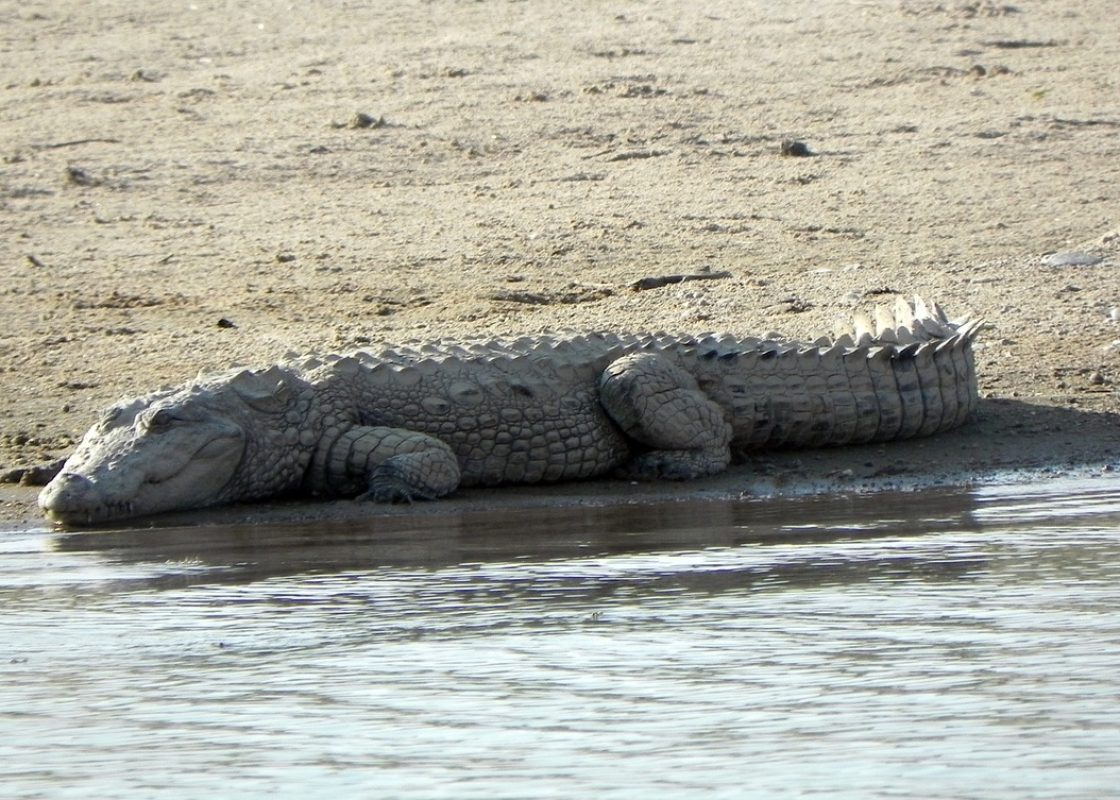
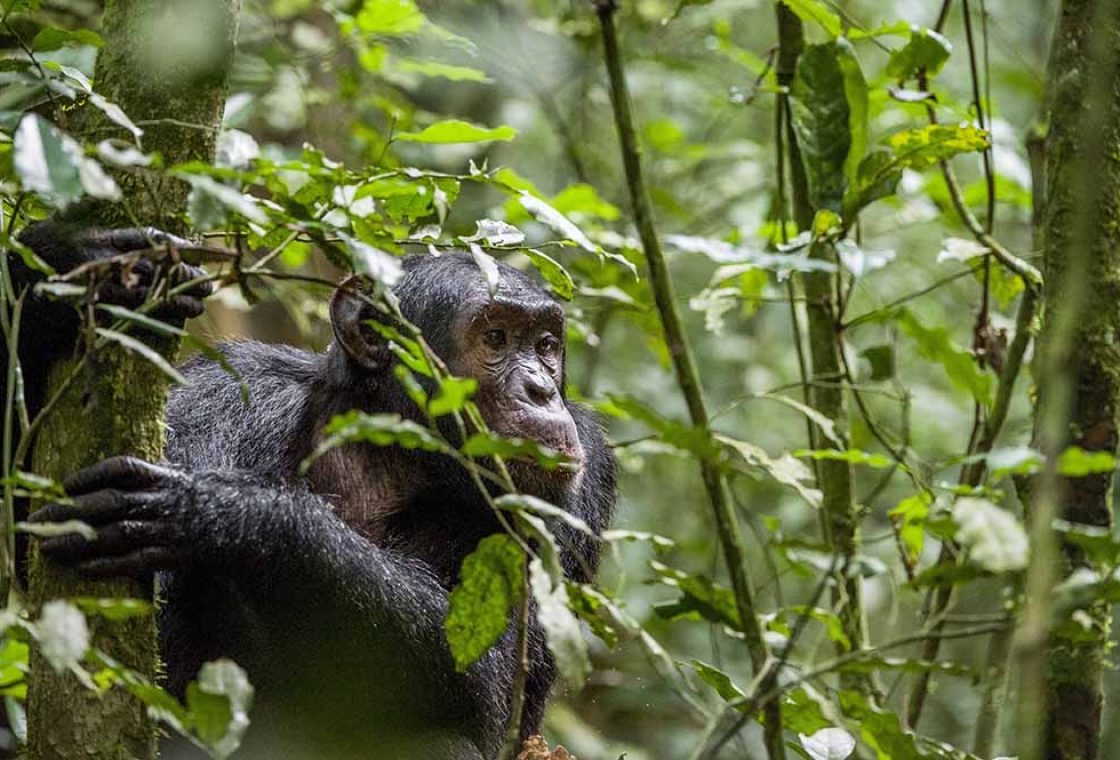
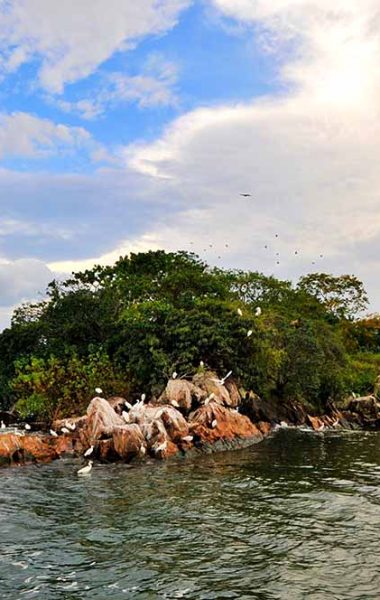
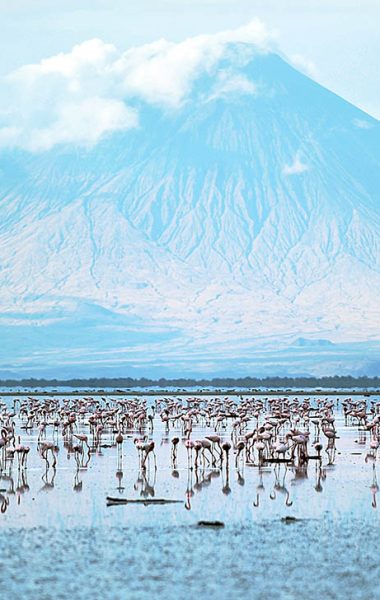
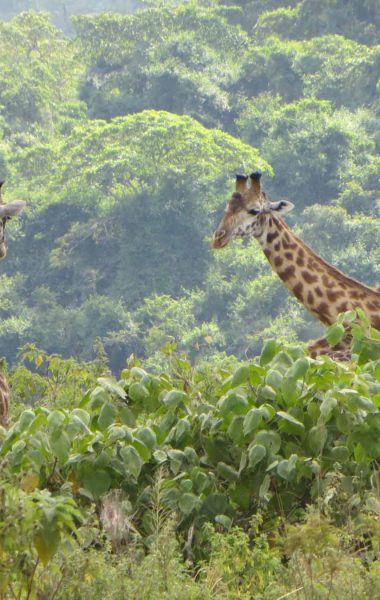
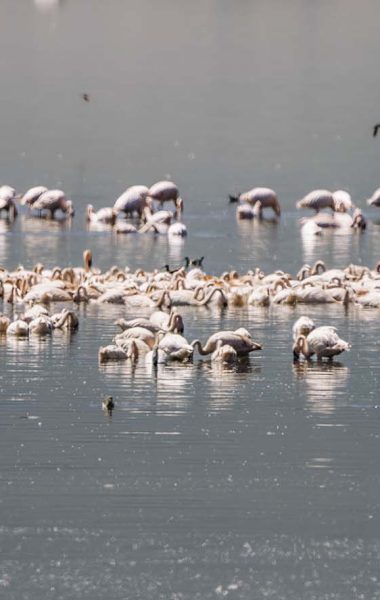
Lake Tanganyika is a majestic, sapphire-blue expanse that forms the western boundary of Tanzania.As the world’s longest freshwater lake and the second deepest globally, it is an ecological marvel that holds nearly 18% of the planet’s available fresh water.Nestled within the steep, forested walls of the Great Rift Valley, the lake is millions of years old, an age that has allowed for the evolution of an incredible array of life found nowhere else.Its crystal-clear waters—with visibility often reaching 20 meters—are home to over 250 species of endemic cichlid fish, making it feel more like a freshwater ocean than a lake.For travelers, Tanganyika is the ultimate frontier, offering a combination of pristine white-sand beaches, mist-covered mountains, and the world’s most intimate encounters with wild chimpanzees in the nearby Gombe and Mahale National Parks.
Climate
The climate at Lake Tanganyika is tropical and humid, with a remarkably stable water temperature of around 25°C year-round.The Dry Season (May to October) is the prime time for visiting, as the skies are clear, the lake is calm, and chimpanzees in the neighboring forests tend to stay on the lower slopes, making them easier to track.The Wet Season (November to April) brings dramatic thunderstorms and lush, vibrant greenery. While the humidity is higher and forest trails can be slippery, this is the best time for birdwatching and enjoying the waterfalls that cascade down the rift escarpment into the lake.
Getting There
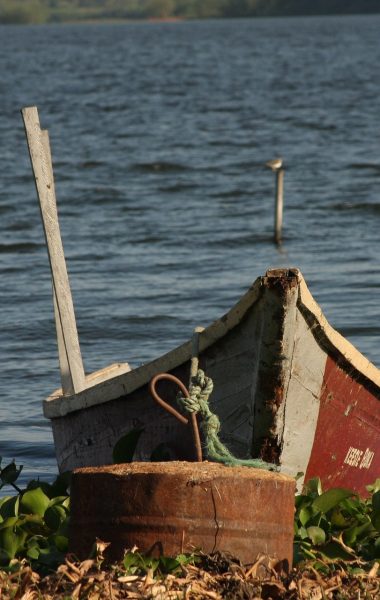
Lake Tanganyika is remote, and reaching it is an adventure in its own right.The primary gateway is the historic port town of Kigoma.Most travelers take a scheduled flight from Dar es Salaam or Arusha to Kigoma Airport.For those seeking a truly local experience, the legendary MV Liemba, a century-old former German warship, still operates as a passenger ferry along the lake’s shores.Reaching the national parks of Gombe or Mahale requires a further journey by speedboat or traditional wooden dhow from Kigoma, a trip that can take anywhere from two to six hours, offering stunning views of the mountainous coastline.
Attractions
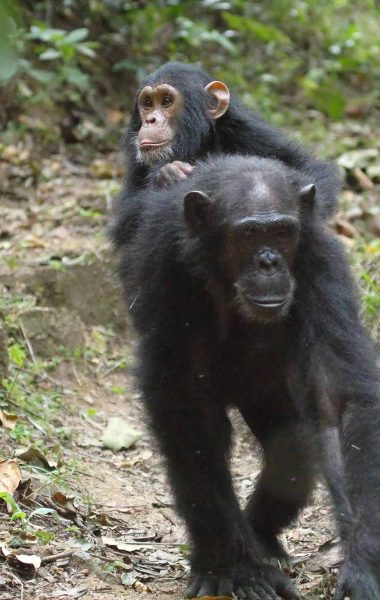
Mahale Mountains National Park: A spectacular park where the forested peaks drop directly into the turquoise lake. It is home to the world’s largest population of habituated chimpanzees.
Gombe Stream National Park: The site of Jane Goodall’s pioneering research, offering an intimate look at chimpanzee families in a compact, beautiful forest setting.
Cichlid Fish Diversity: The lake’s underwater world is a “living laboratory” of evolution, with hundreds of brightly colored endemic fish that rival coral reef species in beauty.
Ujiji Town: A place of immense historical significance where the explorer Henry Morton Stanley famously “found” Dr. David Livingstone in 1871 under a mango tree.
Kalambo Falls: Located near the southern tip of the lake, these are among the highest single-drop waterfalls in Africa, plunging over 200 meters into the gorge below.
Activities
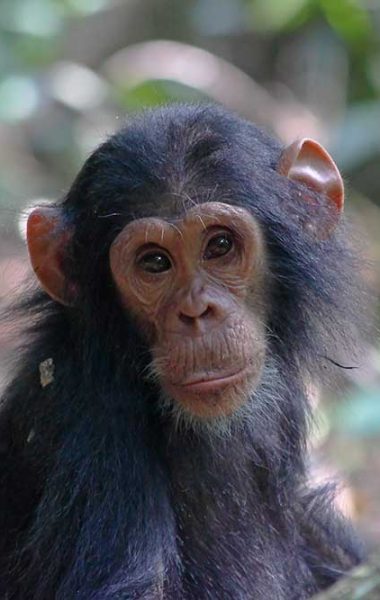
Chimpanzee Trekking: The hallmark activity of the region, involving guided hikes through the rainforest to spend an unforgettable hour observing our closest biological relatives.
Snorkeling and Scuba Diving: With its clear, alkaline water and colorful fish, the lake offers world-class freshwater diving and snorkeling directly off the beaches.
Kayaking and Paddleboarding: The calm bays of Mahale and Kigoma are perfect for exploring the shoreline at a slow pace, often accompanied by the calls of fish eagles.
Sport Fishing: Anglers can test their skills against the legendary Nile Perch, Tigerfish, and the giant Sangala Pamba in deep-water excursions.
Dhow Sunset Cruises: Drifting on the lake in a traditional wooden sailing vessel as the sun sets behind the mountains of the Democratic Republic of Congo is a quintessential Tanganyika experience.