Lake Manyara National Park
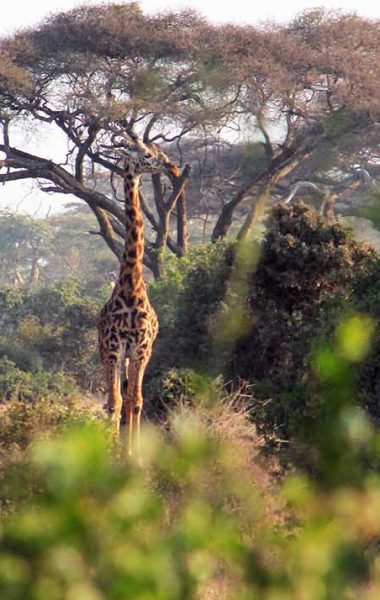
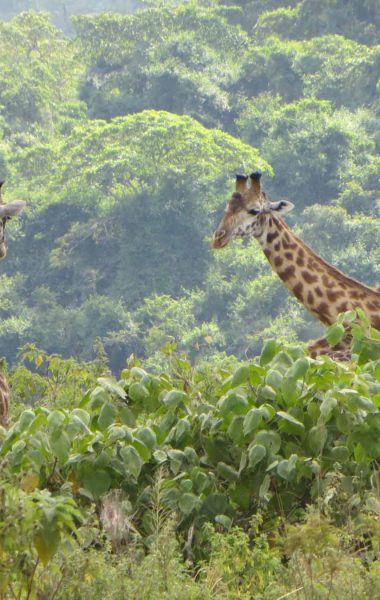
Nestled at the base of the dramatic 600-meter-high Gregory Rift Valley escarpment, Lake Manyara National Park is a jewel of biodiversity that Ernest Hemingway famously described as the “loveliest I had seen in Africa.” Though relatively small—covering just 330 square kilometers, two-thirds of which is often underwater—the park packs an extraordinary variety of ecosystems into a narrow strip of land. Visitors transition rapidly from a dense, jungle-like groundwater forest fed by underground springs to acacia woodlands, grassy floodplains, and finally the expansive, shimmering alkaline lake. This diverse topography supports a surprising range of wildlife, from massive troops of baboons to the legendary tree-climbing lions. The park serves as a serene and lush contrast to the vast, dry savannas of the neighboring Serengeti or Tarangire, offering a vibrant, emerald-hued introduction to the Great Rift Valley.
Climate
Lake Manyara enjoys a mild and temperate climate. The Dry Season (June to October) is characterized by cool, clear days and is the best time for viewing large mammals as they congregate near the park’s water sources. During the Wet Season (November to May), the park is at its most beautiful; the vegetation is lush, and the lake level rises, attracting a higher concentration of water birds. While mammals can be slightly harder to spot through the thick foliage during the rains, the waterfalls cascading down the escarpment and the sheer number of migratory birds make it a spectacular time for nature lovers and photographers.
Getting There
Lake Manyara is exceptionally accessible, located directly on the main safari route between Arusha and the Ngorongoro Crater. The drive from Arusha takes approximately two hours on excellent paved roads, making it a popular choice for a day trip or a short stopover. For those preferring to fly, the Manyara Airstrip is located on top of the rift wall, offering dramatic views of the park during landing. This airstrip is well-connected to Arusha, the Serengeti, and Zanzibar, providing a quick transit point for travelers on a multi-park itinerary.
Attractions
Tree-Climbing Lions: The park’s most famous residents are its lions, which have developed the unusual habit of spending their days draped over the branches of acacia trees, likely to escape ground pests or to catch a cooling breeze.
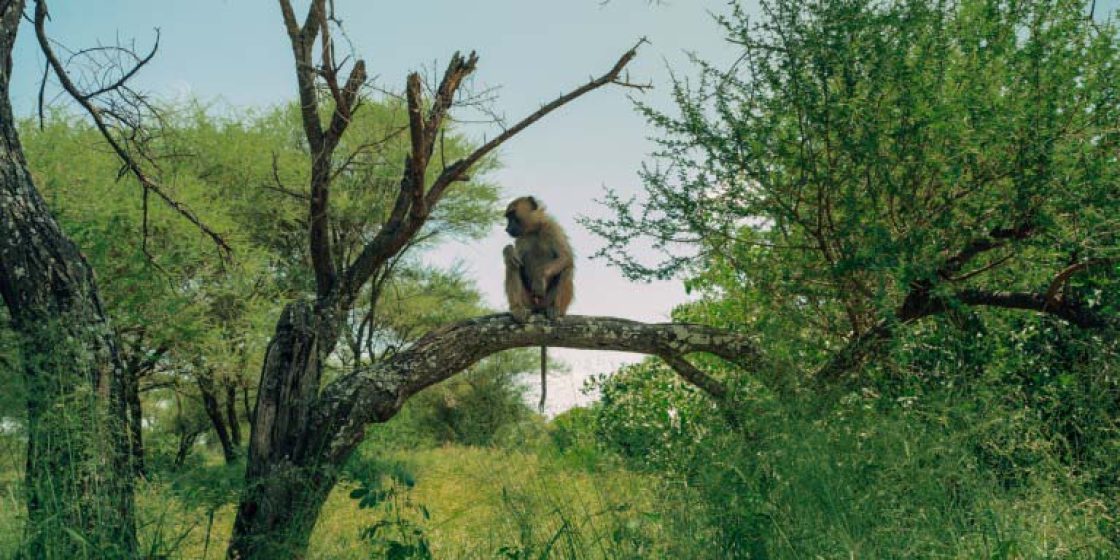
Groundwater Forest: Unlike the typical savanna, the entry to the park is a lush, evergreen forest kept hydrated by springs bubbling out of the rift wall, home to hundreds of playful baboons and blue monkeys.
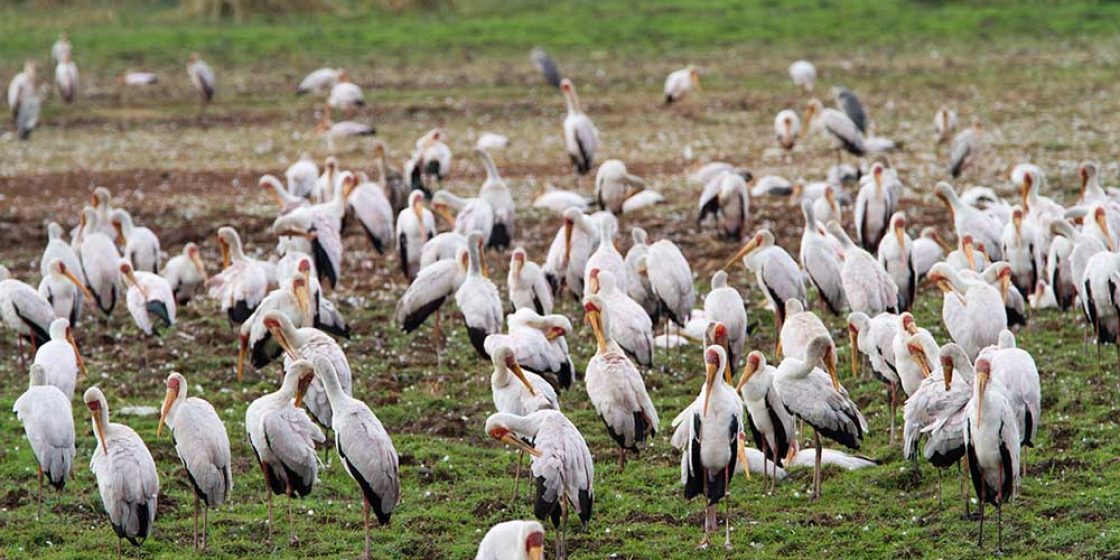
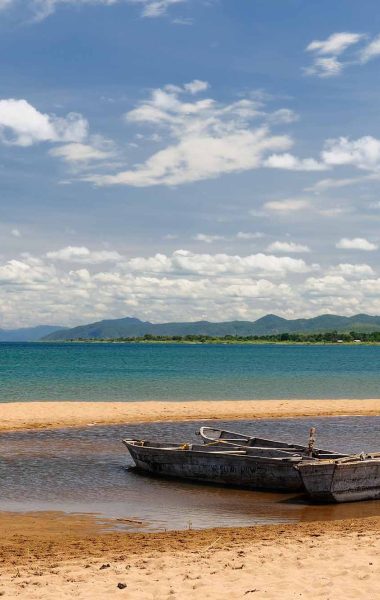
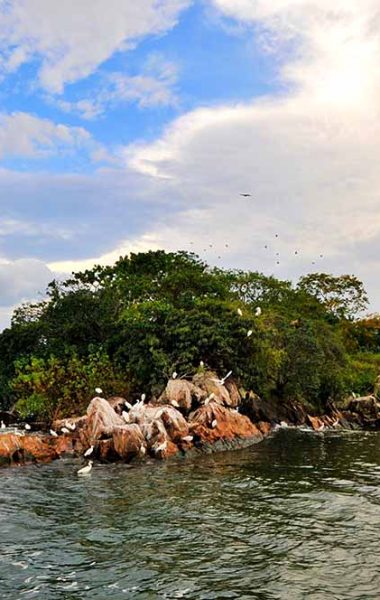
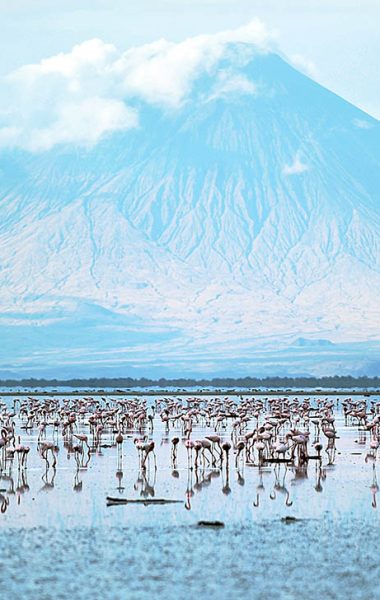
Lake Manyara: This shallow soda lake is a haven for thousands of pink flamingos, which often form a shimmering line of color along the shoreline, alongside pelicans, storks, and herons.
Maji Moto Hot Springs: Located in the southern end of the park, these natural bubbling hot springs (Maji Moto means “hot water” in Swahili) are a unique geological feature surrounded by palm trees.
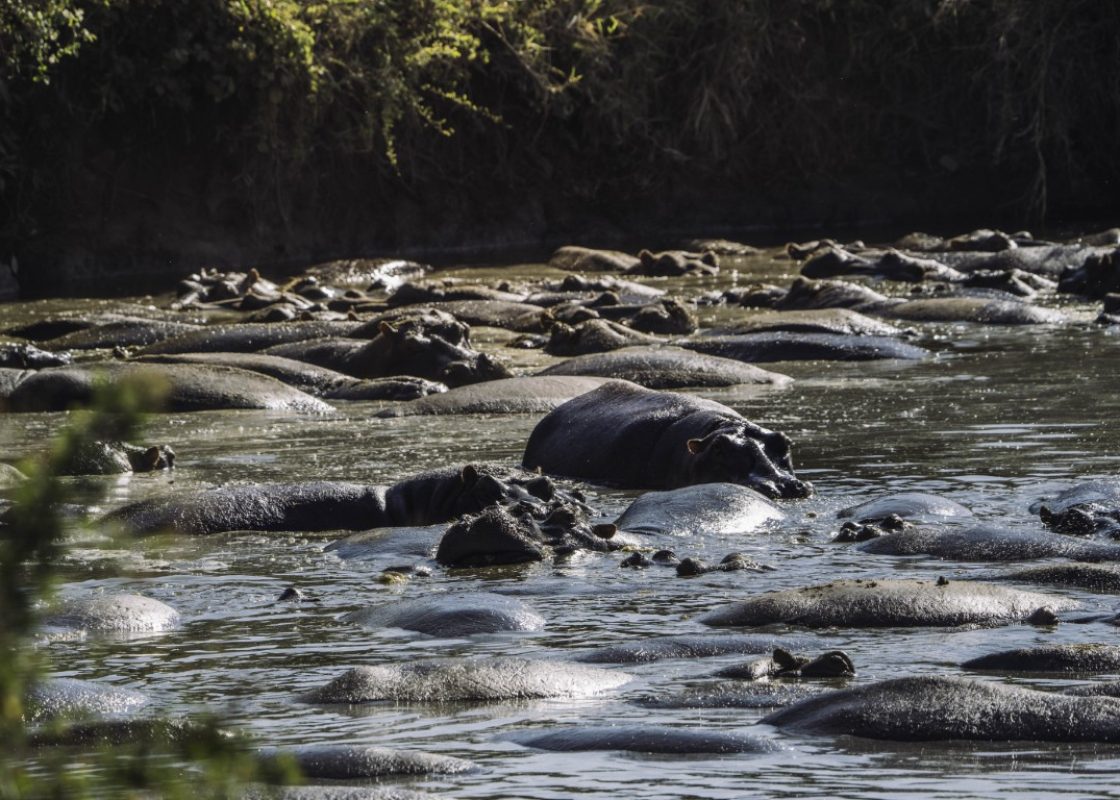
The Hippo Pool: A dedicated viewing area where visitors can watch large pods of hippos wallowing in the mud and water where the Simba River enters the lake.
Activities
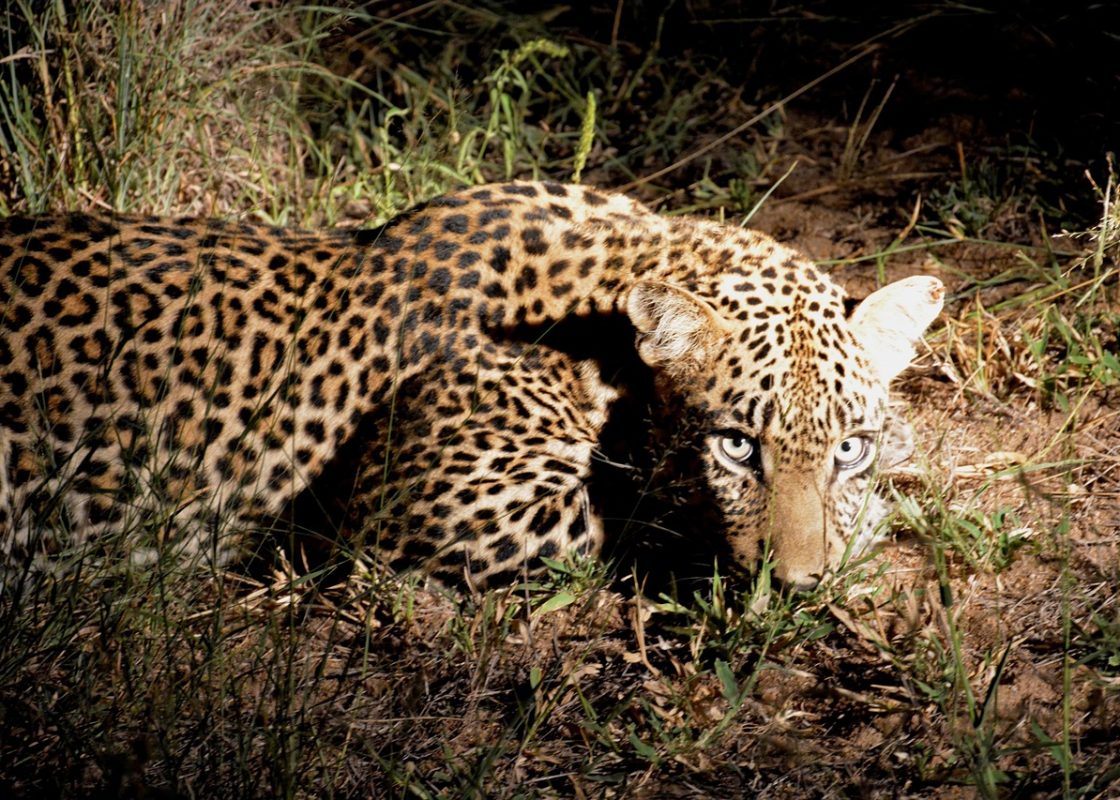
Night Game Drives: Lake Manyara is one of the few national parks in Tanzania that allows night safaris. This provides a rare window into the world of nocturnal animals like porcupines, genets, and civets.
Treetop Walkway: Tanzania’s first treetop walkway allows visitors to walk among the canopy on a series of suspension bridges reaching 18 meters high, providing a unique “monkey’s eye view” of the forest and its birdlife.
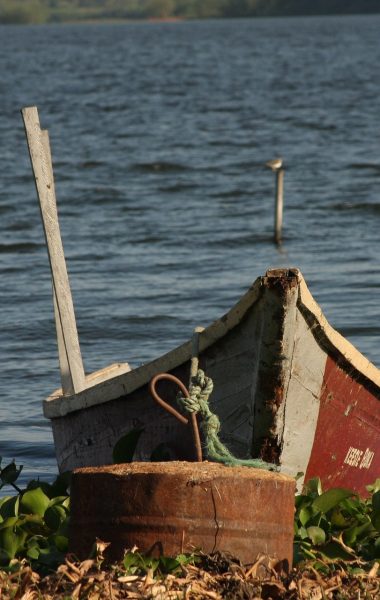
Canoeing: When the water levels are high enough, guided canoe safaris on the lake offer a peaceful way to get close to buffalo, giraffes, and elephants drinking at the water’s edge.
Birdwatching: With over 400 recorded species, the park is a birder’s paradise. Even a short visit can yield sightings of silvery-cheeked hornbills, crested guinea fowl, and various raptors.
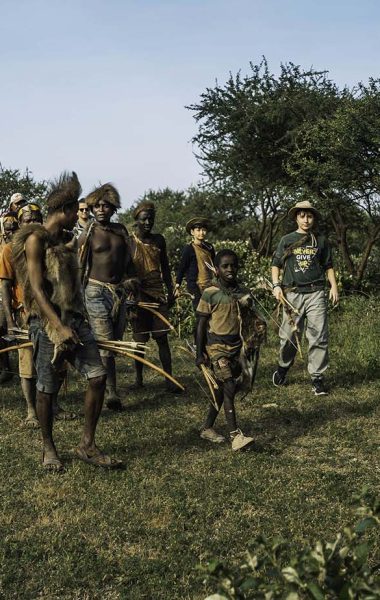
Mountain Biking and Cultural Tours: Outside the park, in the nearby village of Mto wa Mbu, visitors can take bike tours through banana plantations or visit local markets to experience the cultural diversity of over 120 Tanzanian tribes.