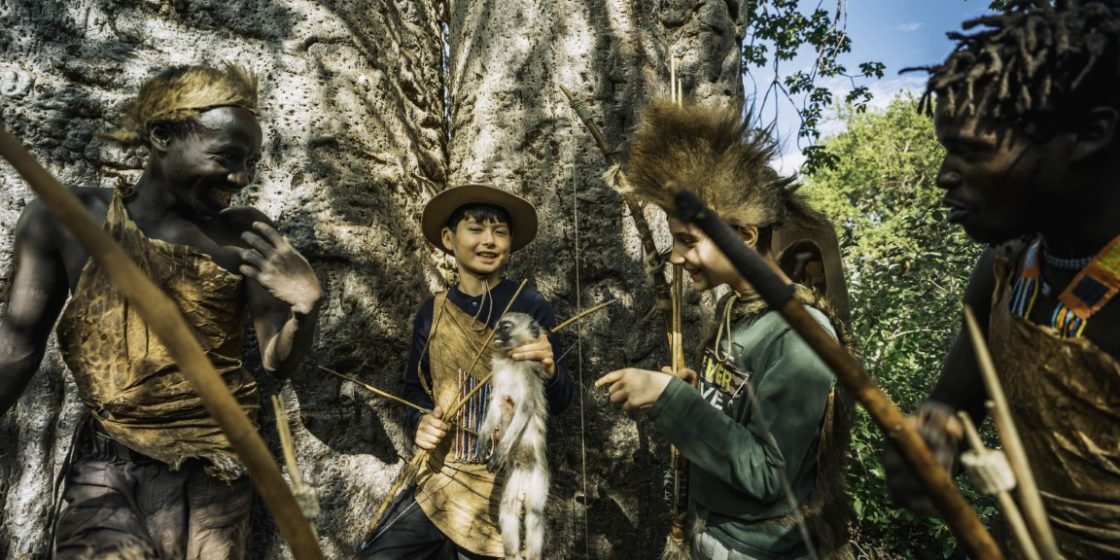
Located in the Great Rift Valley, southwest of the Ngorongoro Crater, Lake Eyasi is a seasonal, shallow salt lake that offers a starkly different experience from the classic “Big Five” safari. This area is defined by its rugged, arid beauty and its status as a cultural crossroads. The lake is set against the backdrop of the towering Eyasi Escarpment and surrounded by ancient baobab and acacia trees. Unlike the manicured wildlife parks, Lake Eyasi is a place of raw human history, serving as the home to the Hadza (Hadzabe) people—one of the last remaining hunter-gatherer tribes in the world—and the Datoga pastoralists. A visit here is less about ticking off animal sightings and more about an immersive, time-traveling journey into the traditional ways of life that have remained unchanged for millennia.
Climate
Lake Eyasi is located in a hot and semi-arid basin. During the Dry Season (June to October), the lake can shrink significantly, sometimes leaving behind a vast, shimmering salt crust that looks like a desert mirage. This is the best time for walking and cultural visits, as the heat is manageable and the ground is firm. During the Wet Season (November to May), the lake refills, attracting a wide variety of migratory birds. However, the region can become very muddy, and the humidity rises. Because the area is at a lower altitude than the Ngorongoro rim, it is consistently warmer, making it a popular place to “defrost” after the chilly nights of the highlands.
Getting There
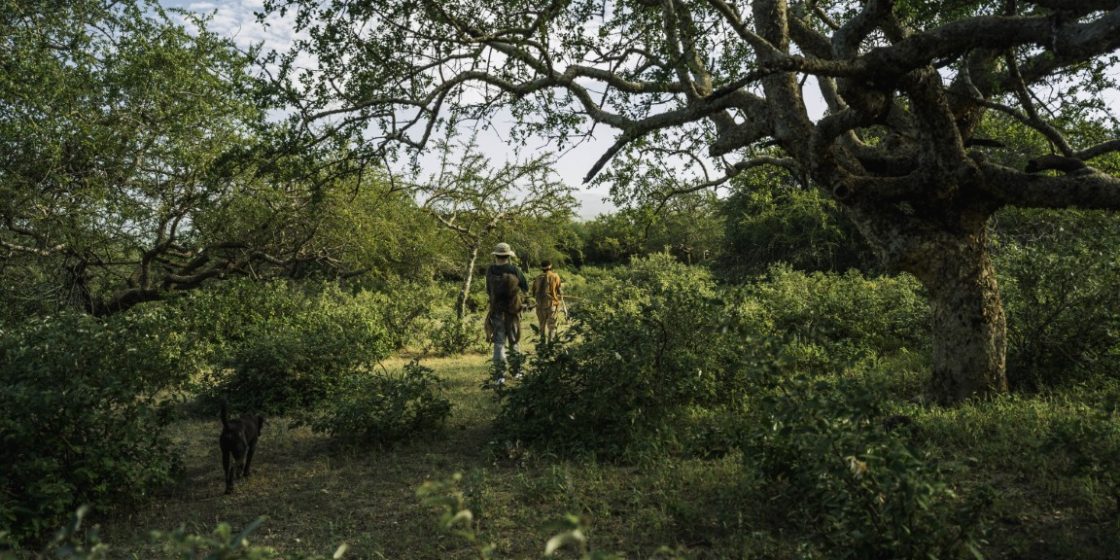
Lake Eyasi is reached via a rough, dusty track that branches off from the main safari road near the town of Karatu. The drive takes approximately one and a half to two hours depending on road conditions. Because the terrain is rocky and sandy, a sturdy 4×4 vehicle is essential. Many travelers include Lake Eyasi as a detour between the Ngorongoro Crater and the Serengeti, or as a standalone cultural excursion. While there is a small airstrip for private charters, most visitors arrive by road to appreciate the changing landscape from the lush coffee plantations of Karatu to the dry, baobab-studded plains of the lake basin.
Attractions
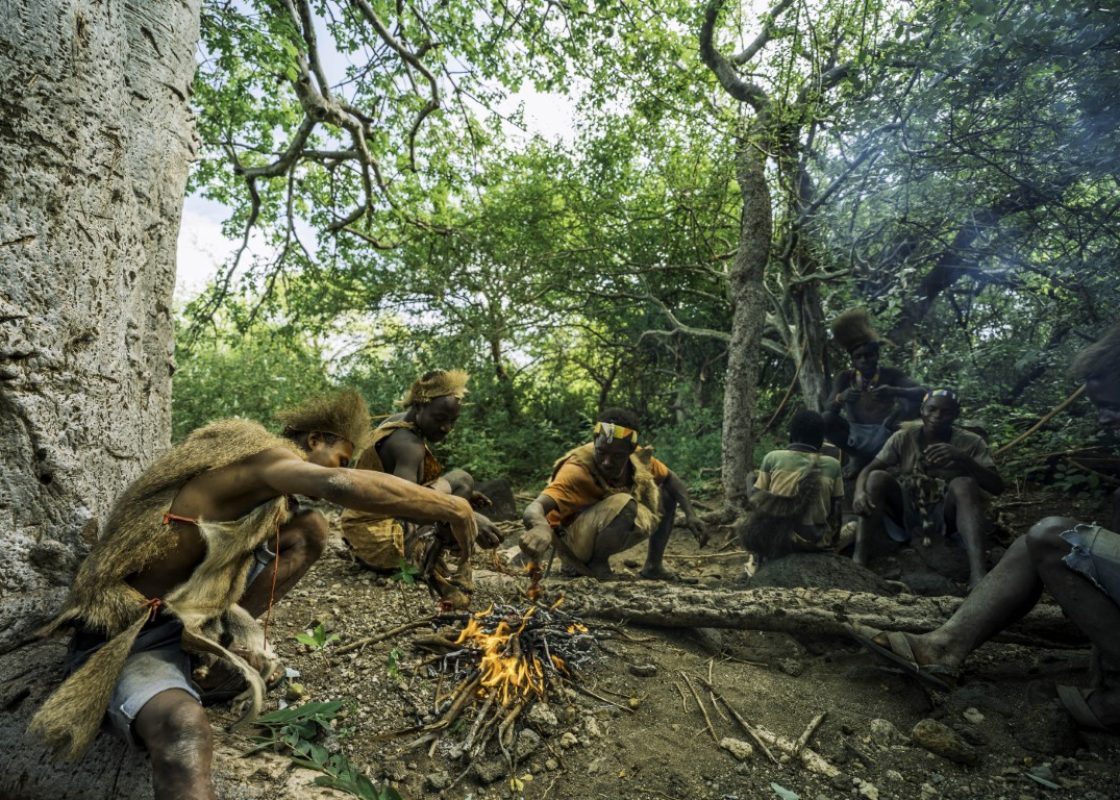
The Hadzabe Tribe: The primary attraction is the opportunity to meet the Hadza people, who still speak a unique “click” language and live entirely off the land without permanent shelters or crops.
The Datoga Tribe: Skilled blacksmiths and pastoralists, the Datoga are known for their beautiful brass jewelry and traditional dress. Their workshops, where they melt down scrap metal to create arrowheads and ornaments, are a fascinating sight.
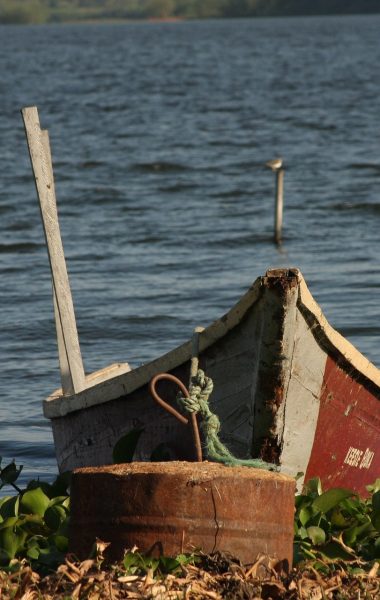
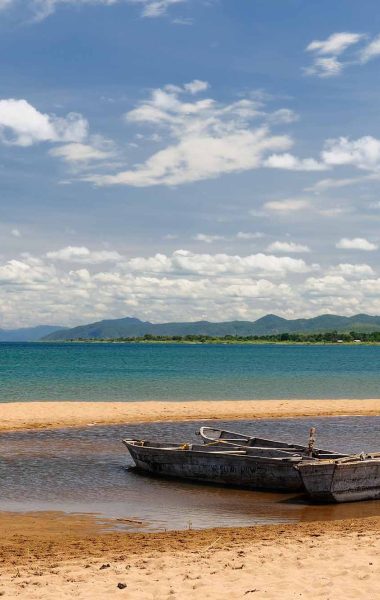
The Salt Lake: When the water levels are right, the lake is a stunning sight, with the Rift Valley wall rising sharply on the opposite shore.
Ancient Baobabs: The area is home to some of the oldest and largest baobab trees in Tanzania, many of which are used by the Hadza for shelter or to collect wild honey.
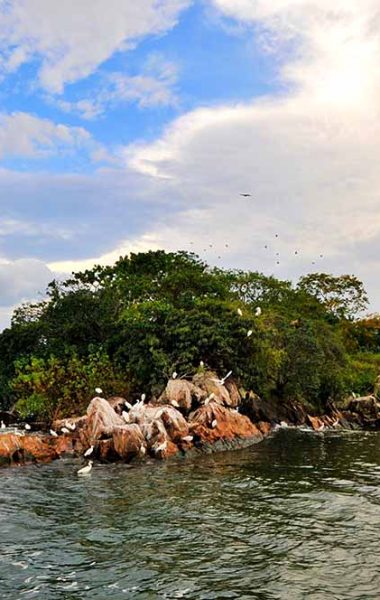
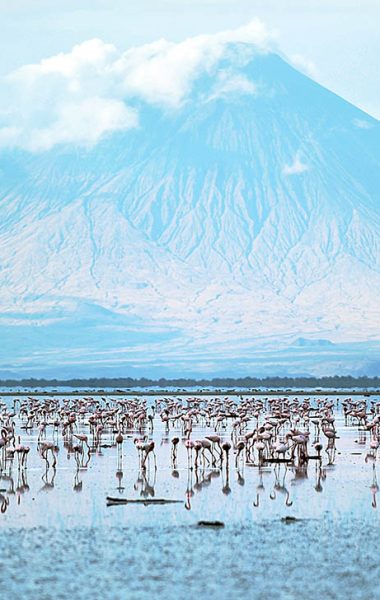
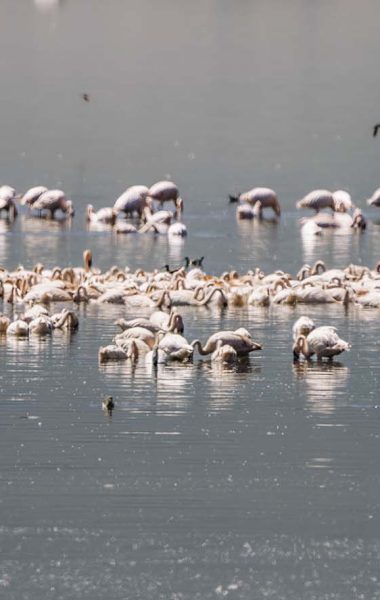
Birdlife: During the wet months, the lake becomes a haven for great white pelicans, lesser flamingos, and numerous species of plovers and storks.
Activities
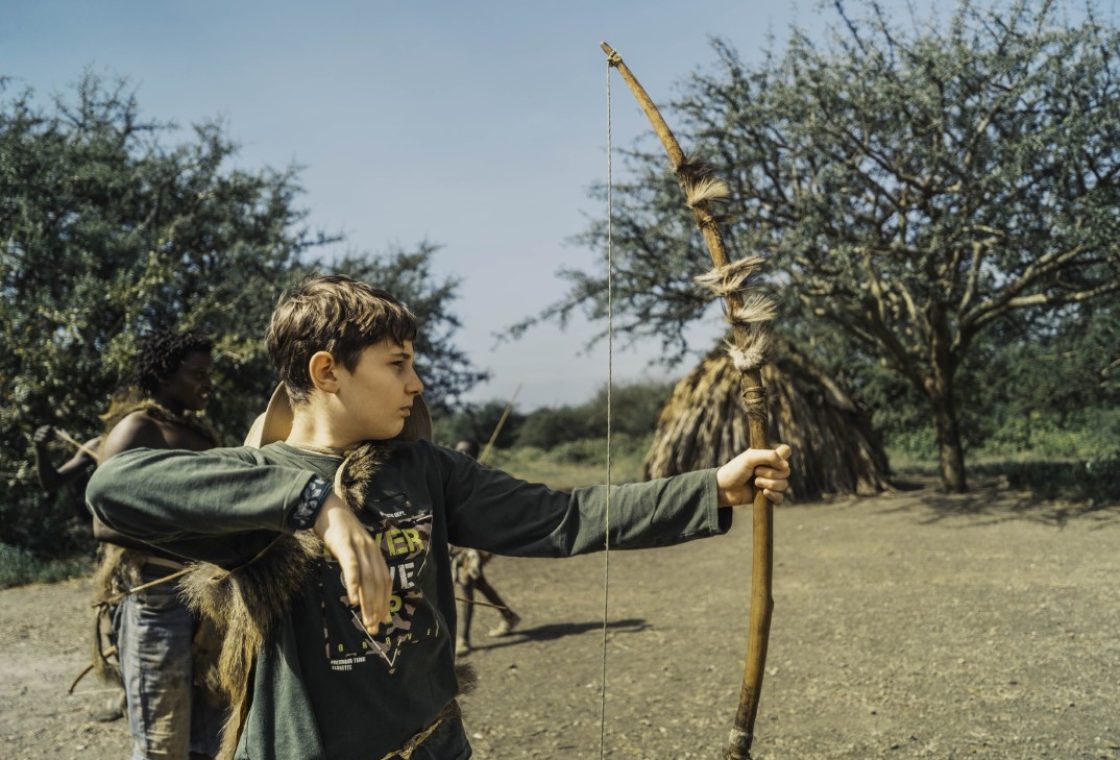
Hunting with the Hadzabe: This is a truly unique experience where visitors can accompany Hadza men on an early morning hunt. It is a fast-paced, authentic look at their bow-and-arrow hunting techniques and their incredible tracking skills.
Foraging Walks: Join the Hadza women as they gather tubers, berries, and medicinal plants, gaining insight into their vast knowledge of the local flora.
Blacksmith Demonstrations: Visit a Datoga homestead to watch how they use ancient bellows and charcoal fires to hand-forge metal tools and jewelry.
Guided Lake Walks: At sunset, walking along the shores of the lake provides incredible photographic opportunities, especially when the light reflects off the salt pans.
Honey Gathering: Watch the Hadza use smoke and expert climbing skills to harvest wild honey from the high branches of baobab trees.