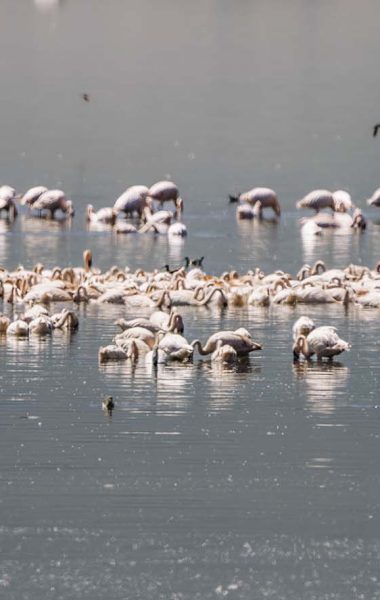
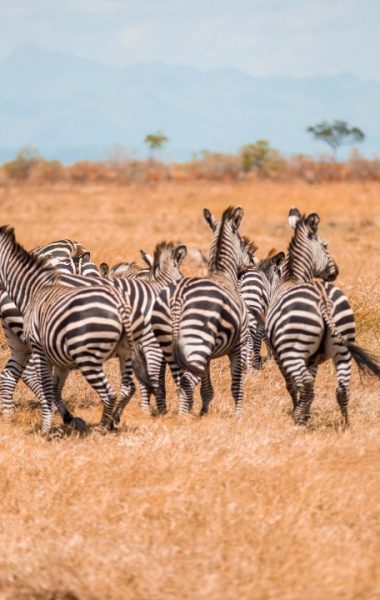
Katavi National Park is Tanzania’s third-largest park and perhaps its most enigmatic. Located in the remote southwest, it remains one of Africa’s last true frontiers, receiving fewer visitors in a year than the Serengeti does in a single day. The park is a landscape of extremes: vast, sun-baked floodplains like the Katisunga Plain are carved by seasonal rivers that shrink to muddy trickles during the dry months. It is a place for the safari purist, offering a raw, cinematic experience where the wilderness is unmanicured and the predator-to-prey ratio is startlingly high.
Climate
Katavi is characterized by a classic tropical climate with distinct seasons. The Dry Season (June to October) is the park’s most dramatic period, with daytime temperatures averaging 31°C, though it can feel significantly hotter in the sun. The Wet Season (November to May) brings heavy afternoon rains and high humidity, turning the dusty plains into a lush, emerald swamp. During the peak of the rains (April and May), many roads become impassable and several camps close their doors, making travel during this time a challenge even for the most intrepid adventurers.
Getting There
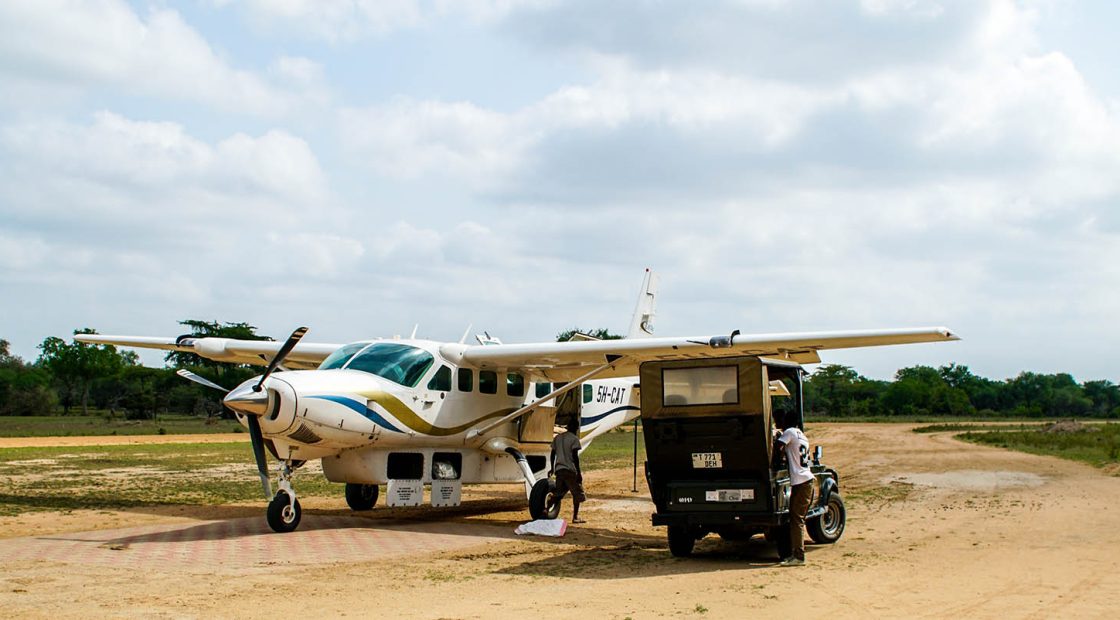
Due to its isolation, Katavi is most easily reached by private charter or scheduled bush flights.
By Air: The most common route is a 4-5 hour flight from Arusha or Dar es Salaam to the Ikuu or Sitalike airstrips. These flights typically operate twice a week (usually Mondays and Thursdays) and are often combined with a trip to Mahale Mountains.
By Road: Driving to Katavi is a legendary “4×4 mission.” It is a grueling two to three-day journey from Mbeya or Arusha over rough, unpaved roads.
By Rail: For a true local adventure, one can take the train from Dar es Salaam to Mpanda, followed by a short taxi or public transport ride to the park gate at Sitalike.
Attractions
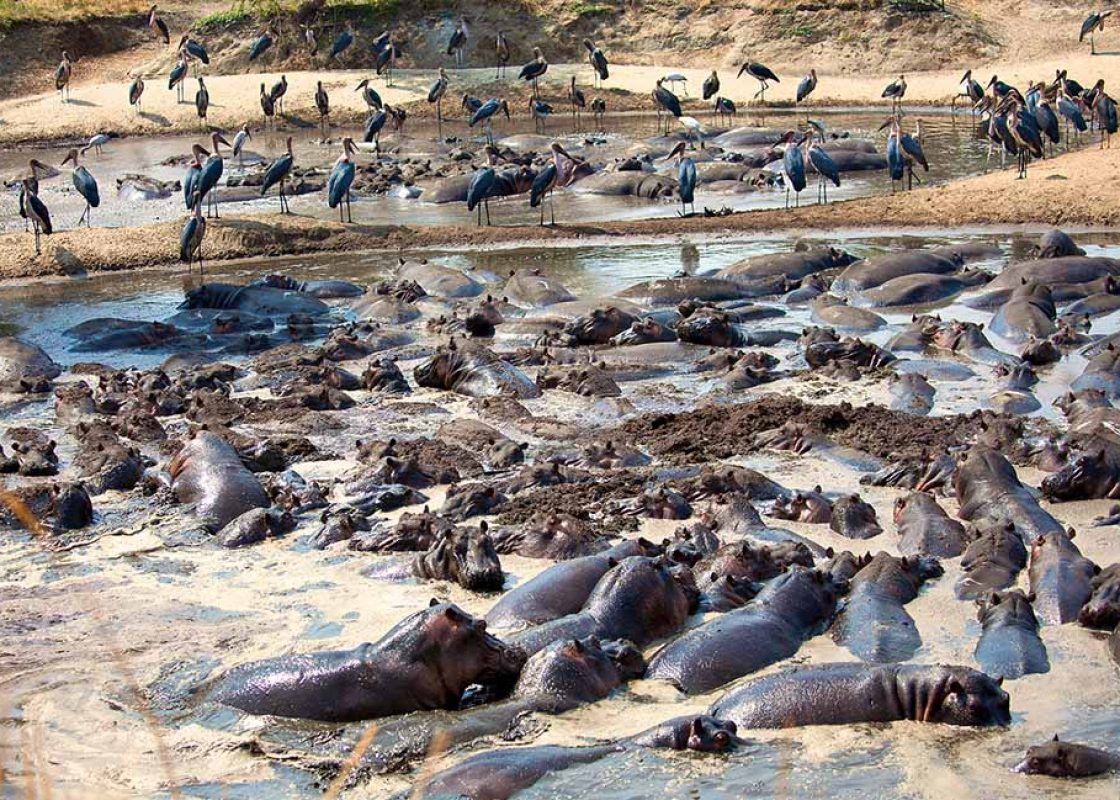
The Hippo Spectacle: Katavi’s most famous sight occurs late in the dry season when hundreds of hippos—sometimes up to 200 to 500 individuals—are forced to huddle together in the last remaining muddy pools. This leads to spectacular, if brutal, territorial battles.
Katuma River: The park’s lifeblood, where thousands of animals congregate during the drought, providing some of the most intense wildlife viewing in East Africa.
Katisunga Plains: An enormous grassy expanse (over 400 sq km) that serves as the stage for massive herds of buffalo and their persistent pride of lions.
The Sacred Tamarind Tree: Known as the “Tree of the Spirit Katabi,” this site is steeped in local legend and remains an active place of ritual for the Bende and Pimbwe communities.
Waterfalls: Hidden within the rocky escarpments are the Lukima and Ndido waterfalls, offering a cool, scenic contrast to the arid plains.
Activities
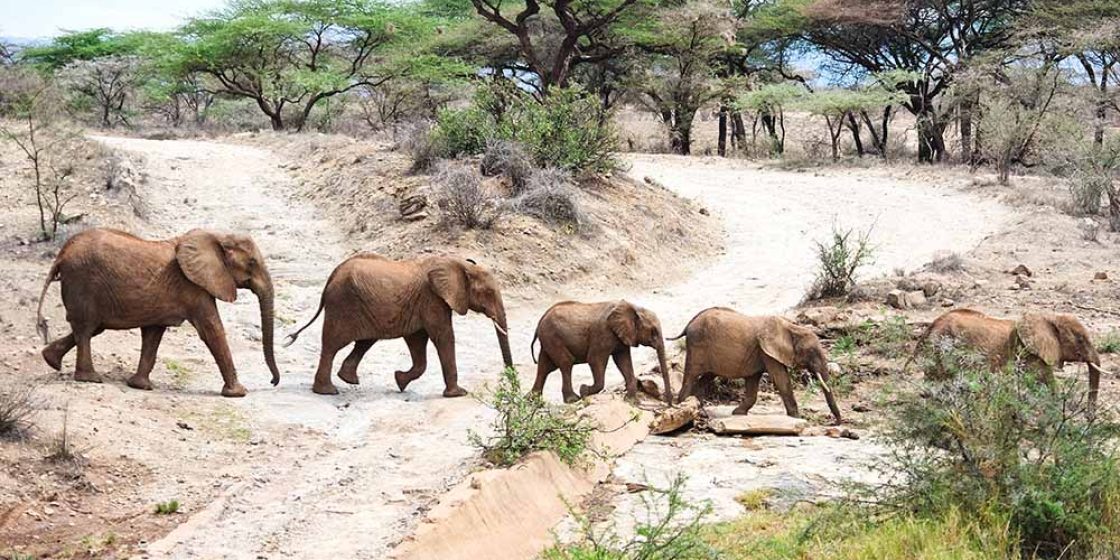
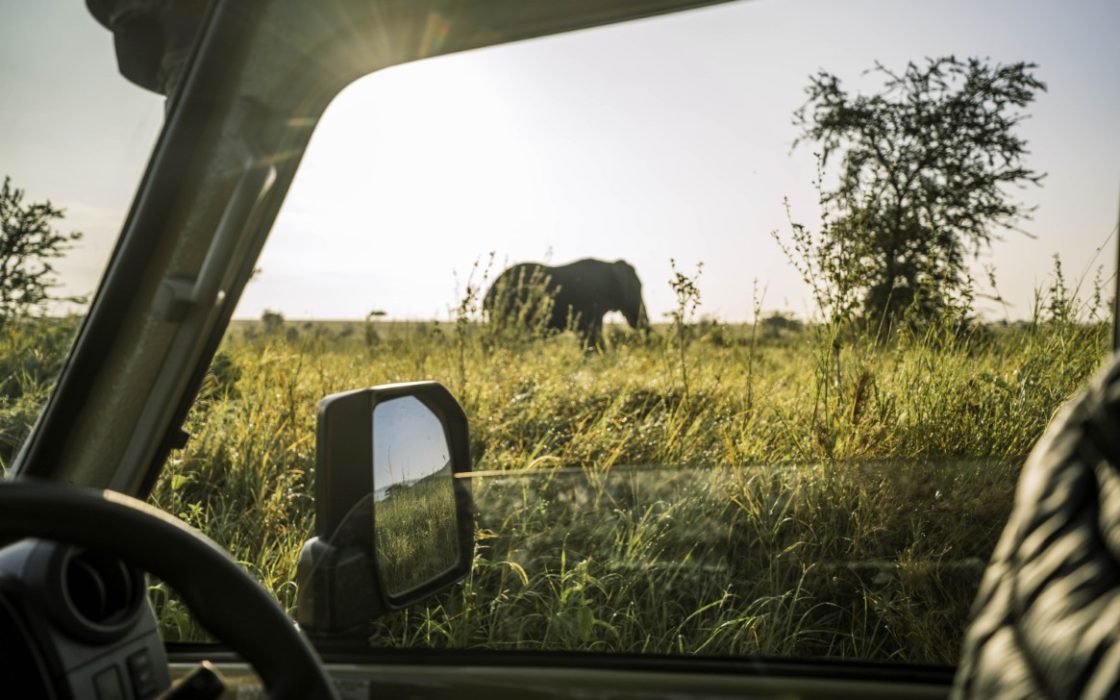
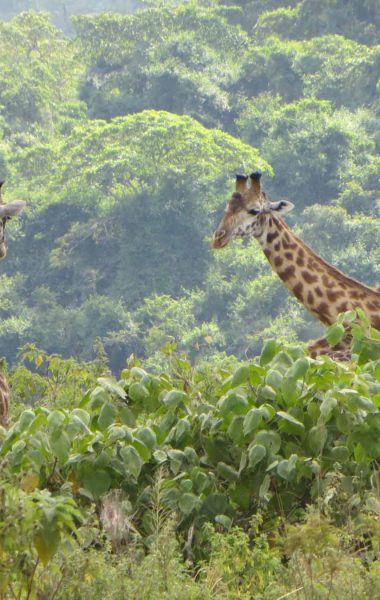
Game Drives: Both day and night drives are the primary way to see the park’s vast herds of buffalo, elephants, and predators.
Walking Safaris: Accompanied by armed rangers, walking is the best way to feel the scale of Katavi’s wilderness and track the smaller details of the bush.
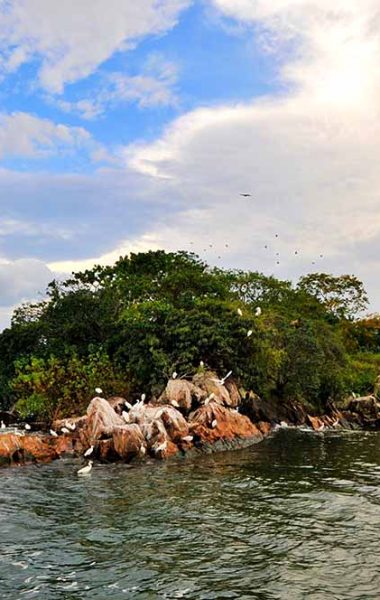
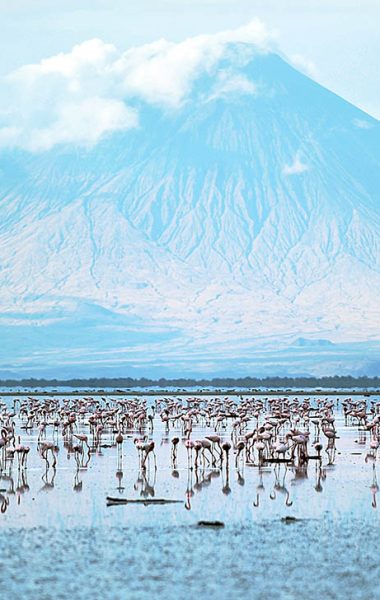
Birdwatching: With over 400 species, including pelicans, saddle-billed storks, and the African fish eagle, the park is an avian paradise, especially during the wetter months.
Fly Camping: For the ultimate immersion, some lodges offer “fly-camping” expeditions where you sleep under the stars in a lightweight tent far from the main camp.
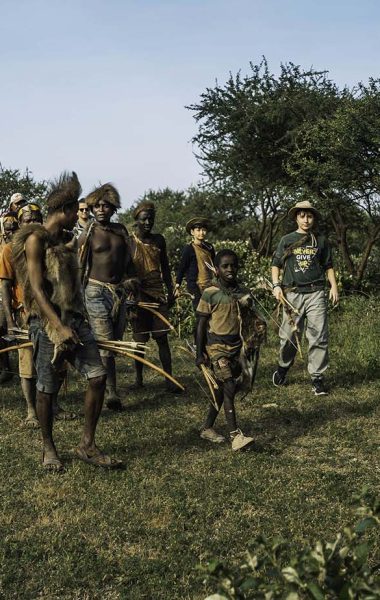
Historical and Cultural Tours: Guided visits to Stone Age sites and nearby villages provide insight into the deep human history of the Rukwa Rift Valley.