Skip to content

Arusha National Park

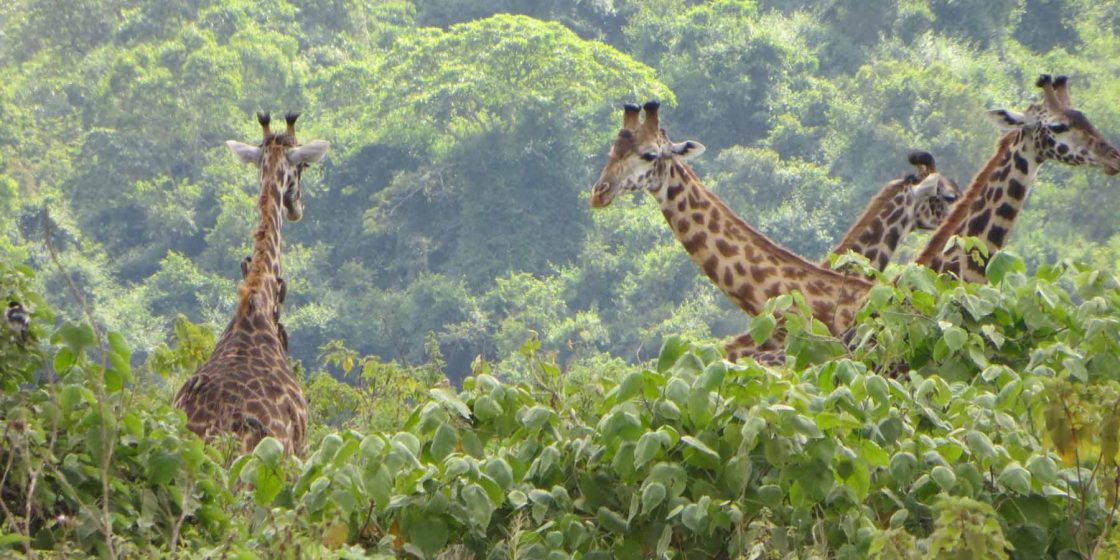
Often overlooked in favor of its larger neighbors, Arusha National Park is a multifaceted gem that serves as the perfect introduction to the Tanzanian wilderness. Located just a short drive from Arusha city, this 137-square-kilometer park manages to condense an incredible variety of landscapes into a compact area. It is defined by three distinct features: the rugged Mount Meru (Tanzania’s second-highest peak), the shimmering Momella Lakes, and the sunken Ngurdoto Crater, frequently called “Little Ngorongoro.” The park is unique for its lack of lions and rhinos, which creates a more tranquil atmosphere where the focus shifts to the stunning scenery, rare primates like the black-and-white colobus monkey, and the sheer abundance of birdlife. It is one of the few places where the dramatic skyline of Mount Kilimanjaro is visible on a clear day, rising majestically to the east.

arusha (2)

Climate

Arusha National Park enjoys a cool, temperate climate due to its varied elevation. The Dry Season (June to October) is characterized by sunny days and chilly nights, providing the best conditions for trekking Mount Meru and viewing wildlife around the lakes. The Wet Season (November to May) brings vibrant green landscapes and is the peak time for birdwatching as migratory species arrive. Because the park is heavily forested and mountainous, it can experience mist and light rain even during the dry months, so travelers are advised to bring layers regardless of the season.

Getting There

This is the most accessible park in Tanzania for international arrivals. It is located just 45 minutes from Kilimanjaro International Airport (JRO) and about 30 to 45 minutes from Arusha city center. Its proximity makes it an ideal destination for a “day-one” safari to shake off jet lag or a final excursion before flying home. Access is via well-maintained paved roads leading to the main gate, after which the tracks become rugged but manageable for standard 4×4 safari vehicles.

NAT -00513 (Medium)
Ngurdoto Crater

Attractions

  • Mount Meru: Standing at 4,566 meters, this dormant volcano offers a challenging trek and serves as a spectacular backdrop for the park. Its “Social Rock” and ash cone are geological marvels.

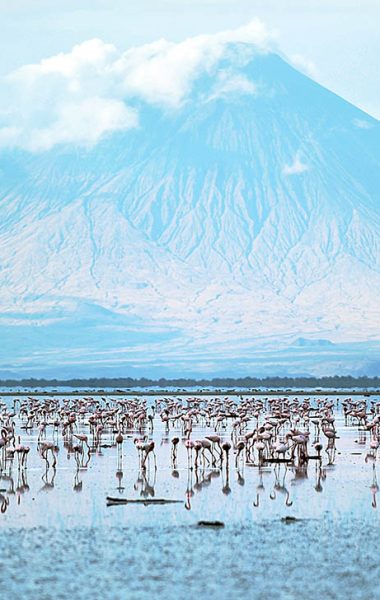
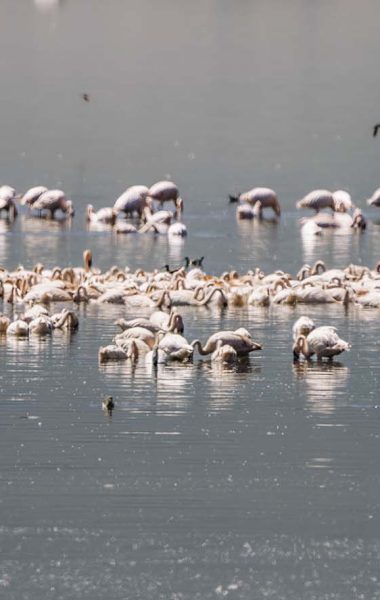
  • Momella Lakes: A series of seven shallow alkaline lakes, each with a slightly different hue due to varying algae content. They are famous for hosting thousands of flamingos and various waterfowl.

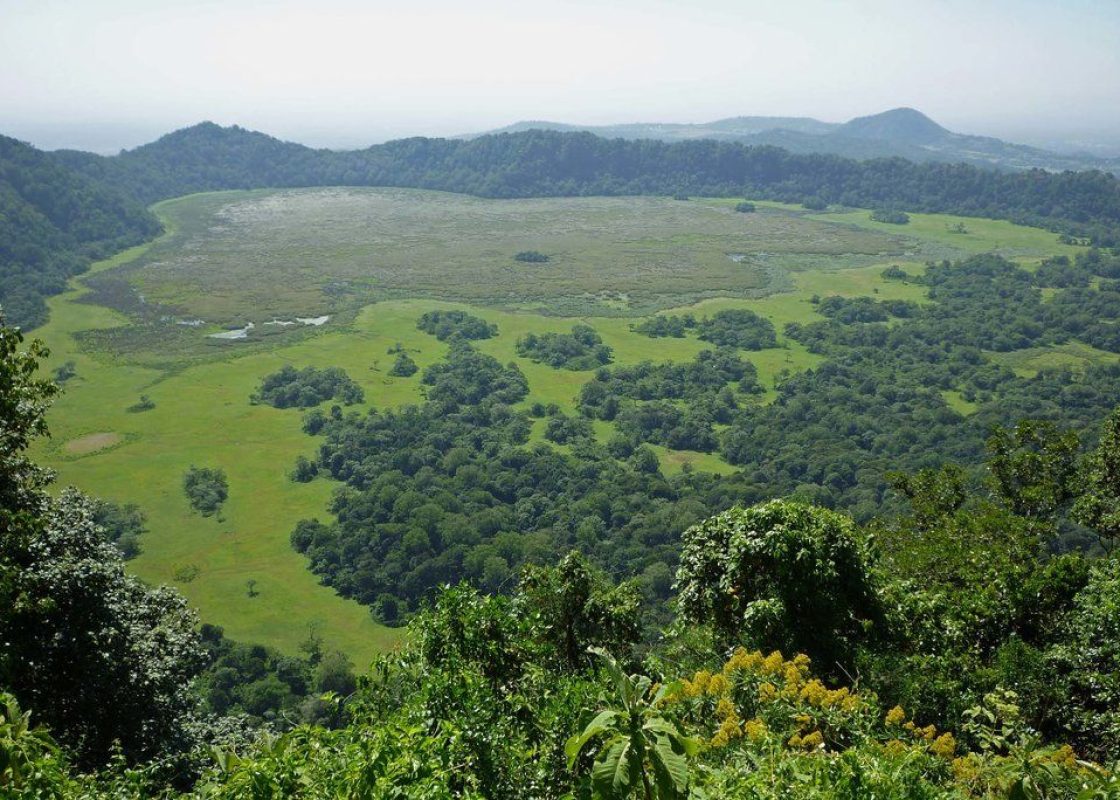
  • Ngurdoto Crater: This three-kilometer-wide caldera is a protected “reserve within a reserve.” No vehicles are allowed on the crater floor, making it a pristine sanctuary for buffalo and warthogs viewed from the rim.

  • Tululusia Hill and Waterfall: A scenic viewpoint and a 28-meter-high waterfall that provides a refreshing stop and a great spot for photography.

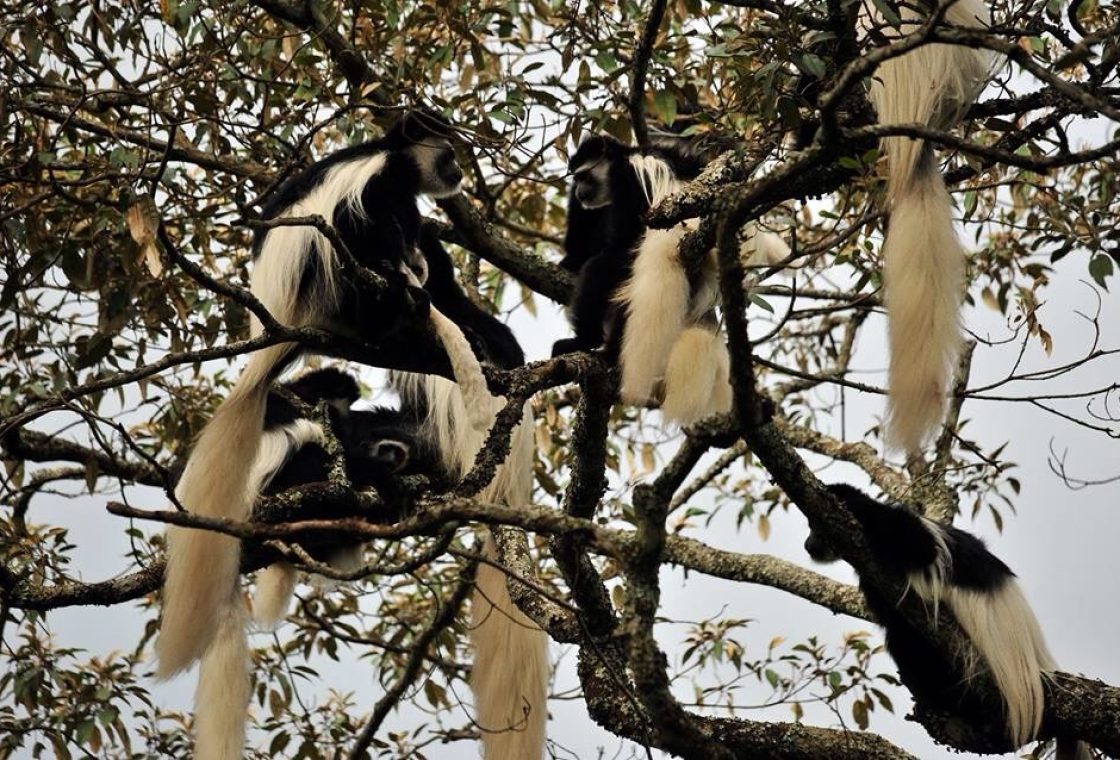
  • Black-and-White Colobus Monkeys: The park is the best place in Northern Tanzania to see these acrobatic primates with their long, flowing white tails, usually found in the canopy of the ancient cedar trees.

Activities

  • Canoeing Safaris: Guided canoe trips on Small Momella Lake allow you to glide past buffalo, waterbuck, and giraffes drinking at the shore while surrounded by giant kingfishers and fish eagles.

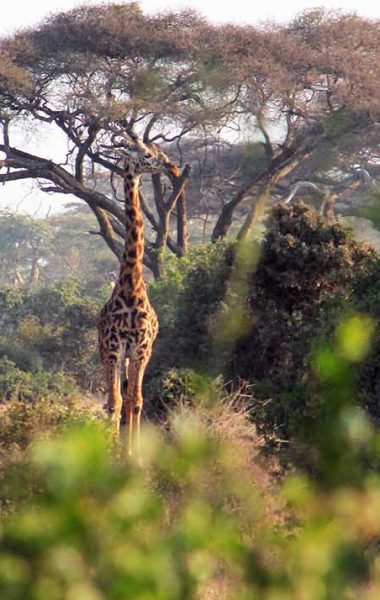
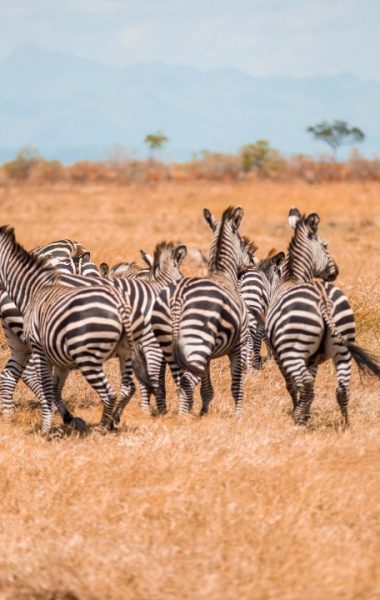
  • Walking Safaris: Because there are no lions in the park, Arusha is one of the premier locations for walking safaris. Accompanied by an armed ranger, you can experience the thrill of being on foot near zebras and giraffes.

  • Mount Meru Climbing: A 3 to 4-day trek to the summit is a popular alternative to Kilimanjaro, offering incredible views of the “Roof of Africa” from the top.

  • Birdwatching: With over 400 species, the park’s mix of forest, swamp, and lakes provides a dense concentration of birds, including the narina trogon and various species of hornbills.

  • Game Drives: Short but rewarding drives through the “Little Serengeti” area of the park offer sightings of buffalo, zebras, giraffes, and the occasional shy leopard.

arusha monkey
×