

Photographic Safaris in Tanzania
Capture the Soul of Africa Through Your Lens
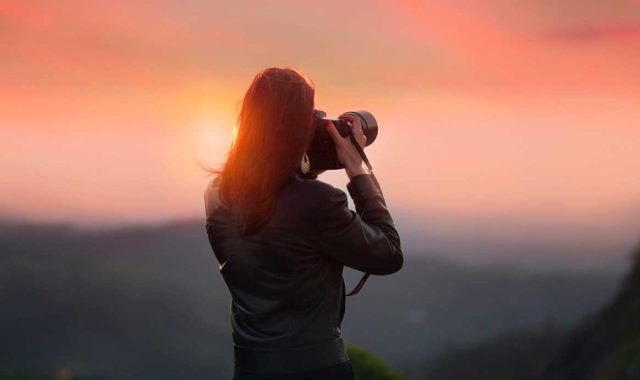
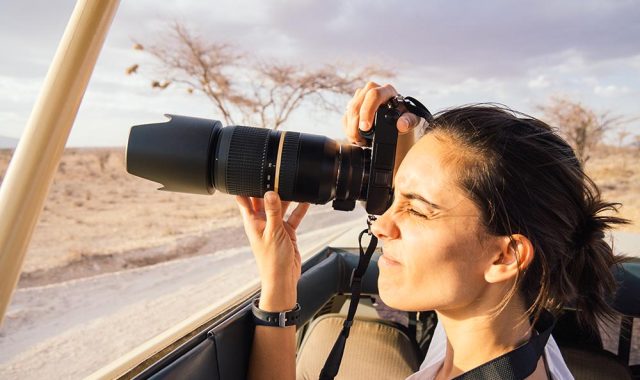
Tanzania is a breathtaking destination that offers exceptional opportunities for photographers. At Noble Adventure Tanzania DMC, we specialize in creating unforgettable photographic safaris that showcase the continent’s stunning wildlife, landscapes, and rich cultural heritage. Whether you are a professional or an aspiring photographer, our expertly guided tours will position you to capture nature’s most dramatic moments and create lasting memories.
Prime Locations for Unforgettable Shots
Serengeti National Park: Renowned for its abundant wildlife, Serengeti National Park offers unparalleled opportunities for photography amidst its vast plains and iconic species. The park comes alive during the Great Migration from July to September, when wildebeest and zebras traverse the landscape, creating dynamic scenes of nature in motion. This is the prime time for capturing dramatic river crossings and exhilarating predator-prey interactions.
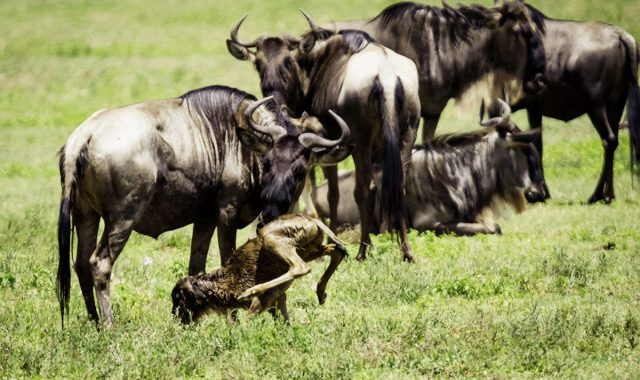
Additionally, visiting between January and February provides a unique experience during calving season, where you can photograph adorable new-born wildebeests alongside their protective mothers. This enchanting time enriches your portfolio with captivating images from this extraordinary ecosystem.
From October to December, the Northern Serengeti becomes an excellent destination for a photographic safari. As the migration shifts and herds begin their journey back south, photographers have the opportunity to witness impressive scenes of wildlife movement, including wildebeest and zebras. October falls within the dry season, offering clearer skies and excellent visibility, which makes it easier to spot and photograph wildlife. This period is also typically less crowded than the peak months of July to September, providing better opportunities for unobstructed shots. While the foliage remains manageable for good views of animals, the landscapes begin to transition, becoming lush and beautiful by December. This shift offers diverse photographic perspectives, making October to December a rewarding time to explore the Northern Serengeti.
Ndutu Area: Located in the southern Serengeti, Ndutu is a prime location for photographic safaris, especially during the calving season from late January to February is optimal. This area becomes a haven for new-born wildebeest and their protective parents, offering rare chances to photograph dramatic predator-prey interactions and the beauty of wildlife in their natural habitat.
Ngorongoro Crater: This UNESCO World Heritage Site is known for its unique ecosystem. Capture stunning images of wildlife such as lions, elephants, and rhinos within the basin’s confines, where lush greenery and diverse habitats provide extraordinary backdrops.
The dry season from June to October is ideal for wildlife photography, as visibility improves and animals gather around water sources.
Tarangire National Park: Famous for its large herds of elephants and iconic baobab trees, Tarangire offers dramatic landscape compositions. Photograph wildlife congregating around the Tarangire River, creating powerful depictions of animal interactions.
The dry season (June to October) is best, especially in July and August, when wildlife congregates near the Tarangire River for excellent photographic opportunities.
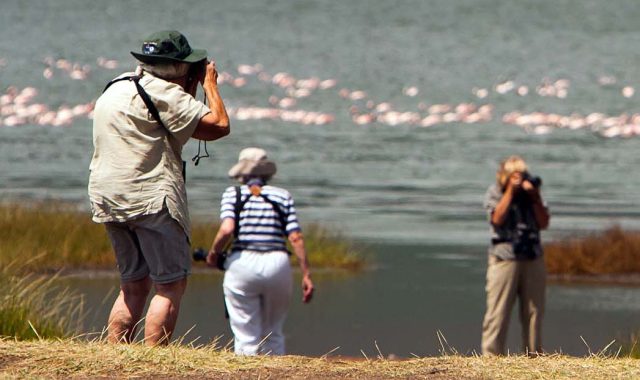
Lake Manyara National Park: Celebrated for its diverse wildlife and breathtaking scenery. This picturesque park offers photographers the chance to capture stunning images of elephants against acacia trees, the elusive tree-climbing lions, and a vibrant array of birdlife, including magnificent flocks of flamingos.
Renowned for its exceptional bird photography opportunities, Lake Manyara is home to a wide variety of avian species, such as pelicans and numerous raptors. The combination of varied habitats—wetlands, woodlands, and grasslands—results in unique photographic opportunities year-round, allowing you to capture both migratory and resident birds in their natural environments.
The best times for photography in the park are during the dry season from June to October, as well as the wet season from November to April, which coincides with bird migrations. Lake Manyara National Park is not only a visual feast but also an accessible destination that attracts bird watchers and photographers seeking memorable experiences amidst its stunning landscapes and fauna.
Mount Kilimanjaro National Park: Home to Africa’s highest peak, provides an incredible backdrop for photographic adventures. The majestic summit serves as a stunning canvas against which photographers can capture diverse wildlife and the rich ecosystems that surround it.
The park’s varied landscapes—from lush rainforests at its base to alpine meadows near the summit—create unique opportunities for breathtaking images. The best time for photography is during the driest months, particularly from January to March and June to October. During these periods, the clarity of the weather enhances visibility, allowing you to capture the grandeur of Kilimanjaro in all its glory.
Whether you’re framing wildlife in front of the snow-capped peak or capturing the vibrant flora of the lower slopes, Mount Kilimanjaro National Park is a must-visit destination for photographers seeking to showcase Africa’s natural beauty.
Selous Game Reserve: Now recognized as Nyerere National Park, stands as one of Africa’s largest and most pristine wilderness areas. This remarkable park features a diverse range of landscapes, including meandering rivers, lush woodlands, and expansive savannas, creating an ideal habitat for a rich variety of wildlife.
The prime time for photographic safaris in Selous is during the dry season, from June to October. During this period, wildlife congregates around water sources, providing excellent visibility for capturing breathtaking photographs. The more accessible terrain enhances your overall safari experience, allowing you to fully immerse yourself in the stunning natural beauty of this remarkable region.
Western Tanzania (Gombe Stream National Park, Mahale National Park, and Katavi National Park)
Western Tanzania is eminent for its remote and pristine wilderness, offering breathtaking landscapes and unparalleled wildlife experiences. Gombe Stream National Park is renowned for its captivating chimpanzees, while Mahale National Park enchants visitors with its picturesque beaches and the majestic mountain gorillas. In contrast, Katavi National Park is famous for its impressive herds of buffalo and hippos.
The optimal time for photographic safaris in this region is during the dry season, from June to October. This season presents excellent opportunities for wildlife photography, as animals are more easily spotted congregating near water sources. Specifically, from July to October is perfect for observing and photographing chimpanzee behavior in Gombe and Mahale, ensuring memorable and striking images of these remarkable creatures in their natural habitat.
Engare Sero is a hidden gem that offers captivating landscapes and the intriguing ancient footprints of wildlife, making it a remarkable destination for photography. This lesser-known area is defined by its dramatic rock formations and lush scenery, providing a stunning backdrop for your images.
To experience the best photographic conditions, plan your visit to Engare Sero during the dry season, from June to October. During this time, the clarity of the weather enhances visibility, allowing you to capture the rugged beauty of the landscape and the fascinating fossil footprints with striking detail. Engare Sero is truly a place where nature and history converge, offering photographers a unique opportunity to tell compelling stories through their lens.
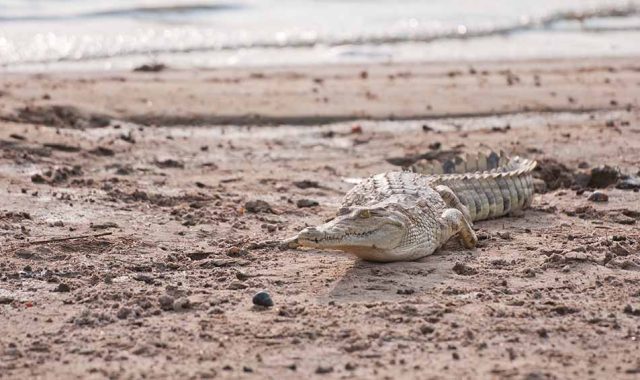
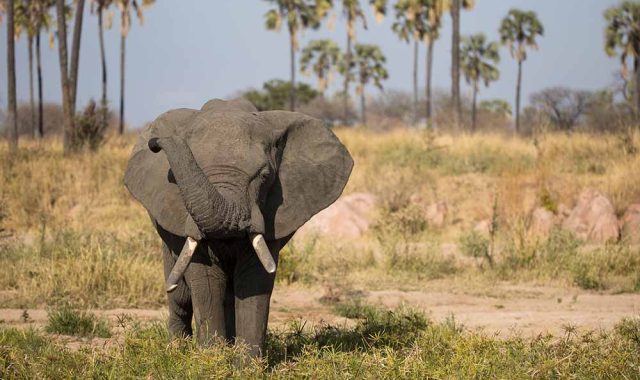
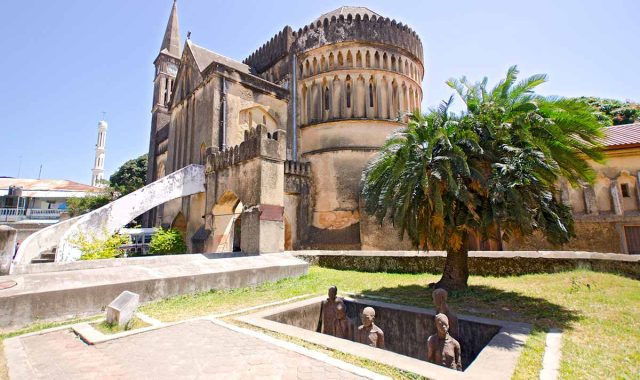
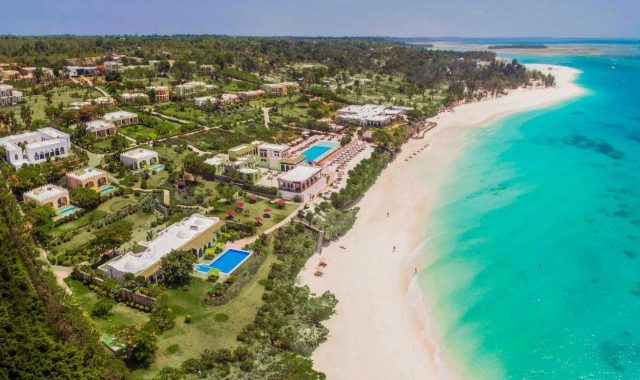
Zanzibar is an enchanting archipelago renowned for its breathtaking beaches, rich cultural heritage, and vibrant local life. This idyllic island presents an array of photographic opportunities, from capturing the colorful markets and traditional architecture to the picturesque coastal landscapes. Additionally, Zanzibar is home to unique wildlife and diverse marine life, enriching your photographic adventure.
The best time for a photographic safari in Zanzibar is during the dry season, from June to October. This period offers clear skies and vibrant colors, creating perfect conditions for capturing the stunning beauty of the beaches and the bustling energy of the markets. The pleasant weather also invites exploration, allowing you to immerse yourself in and photograph the island’s captivating cultural scenes. Zanzibar is a true paradise for photographers, where every corner reveals a new story waiting to be told.
Unique Photographic Adventures in Tanzania
- Hot Air Balloon Safaris: Experience breathtaking aerial views of the Serengeti, capturing the golden light of sunrise and vast landscapes from an unrivaled perspective.
- Walking Safaris: Engage in more intimate photography by exploring the bush on foot. Capture the intricate details of flora and fauna while tracking wildlife up close.
- Night Safaris: Discover the nocturnal world of Tanzania’s wildlife with guided night safaris. Capture elusive predators and unique wildlife behaviors under the stars.
- Cultural Encounters: Experience authentic cultural exchanges by visiting local communities. Photograph traditional life, ceremonies, and vibrant attire that reflect Tanzania’s rich heritage.
Why Choose Noble Adventure for Photographic Safaris?
At Noble Adventure, we understand that a successful photographic safari is about more than just capturing stunning images—it’s about creating unforgettable experiences. Here are compelling reasons to choose us for your photographic journey in Tanzania:
- Expert Photography Guides: Our team of experienced guides is passionate about photography and intimately familiar with the needs of photographers. They provide invaluable insights into optimizing lighting, composition, and timing, ensuring you capture breathtaking images that tell the story of your adventure.
- Tailored Itineraries: We believe in personalizing your safari to match your unique interests. Whether you’re focused on wildlife, captivating landscapes, or rich cultural experiences, our flexible itineraries are designed to meet your specific photographic aspirations.
- Sustainable Tourism Practices: We are committed to responsible and sustainable tourism. By supporting local communities and engaging in conservation efforts, your safari with us contributes positively to the environment and the people whose lives are intertwined with these remarkable landscapes.
- State-of-the-Art Equipment: We provide access to top-tier photographic equipment and accessories, ensuring that you’re fully equipped to capture every moment. Whether you’re a seasoned professional or an enthusiastic amateur, we cater to all skill levels.
- Unparalleled Access: With our deep knowledge of Tanzania’s best photographic locations, we guarantee unforgettable experiences and exclusive access to prime wildlife sightings, allowing you to capture nature in its most vibrant forms.
- Community Connections: We prioritize cultural engagement, offering opportunities to connect with local communities and experience their traditions firsthand. This enriches your photography with authentic narratives and diverse perspectives.
Choosing Noble Adventure for your photographic safari means boarding on a journey that goes beyond mere observation; it’s about immersing yourself in the beauty and essence of Tanzania while capturing striking images that you’ll cherish for a lifetime. Let us help you create memories that will last forever, all while making a positive impact on the communities and environments you explore.
Optimal Times for Hiking Mount Meru
Best Time to Hike Mount Meru
The optimal time for hiking Mount Meru is from June to February, which offers the best views. Specifically, January to March provides dry weather, making it ideal for climbing, as the trails are less muddy and visibility is excellent for stunning views from the summit. Additionally, December to February is excellent for clear views of Kilimanjaro. The months of June to October also present favorable conditions, with clear skies and minimal rainfall, though this is the peak climbing season when more trekkers are on the tr
Temperature Insights at Mount Meru
Mount Meru experiences significant temperature variations based on altitude and season. At lower elevations (1,500m to 2,500m), daytime temperatures typically range from 20°C to 30°C (68°F to 86°F), providing a warm, tropical climate ideal for acclimatization. As you ascend to mid-elevations (2,500m to 3,200m), temperatures cool to about 15°C to 25°C (59°F to 77°F). Near the summit (4,566m or 15,000 feet), nighttime temperatures can drop below freezing, while daytime highs usually range from 0°C to 10°C (32°F to 50°F). This variation highlights the need for preparation with suitable gear to navigate the different conditions safely.
Mount Meru Weather Overview
Mount Meru experiences a variety of weather conditions depending on the altitude and time of year.
- Lower Elevations (1,500m – 2,500m): The base and lower slopes are typically characterized by a warm, tropical climate. Daytime temperatures can range from 20°C to 30°C (68°F to 86°F), with cooler evenings.
- Mid Elevations (2,500m – 3,200m): As you ascend, temperatures begin to drop. Here, daytime temperatures usually range from 15°C to 25°C (59°F to 77°F), while nights can be quite chilly.
- Higher Elevations (3,200m – Summit): At higher altitudes, particularly near the summit (4,566m), temperatures can drop significantly, often reaching below freezing at night. Daytime temperatures are typically between 0°C and 10°C (32°F to 50°F).
Seasonal Weather Patterns
- Dry Seasons (June to October, January to March): These months generally offer the best hiking conditions with clearer skies, less rainfall, and good visibility, making it easier to enjoy the stunning views.
- Rainy Seasons (April to May, November to early December): The long rains typically occur in April and May, while the short rains fall from November to early December. During these times, expect more precipitation, muddy trails, and reduced visibility.
Temperature Insights
Mount Meru experiences varied weather throughout the year, making certain months more favorable for hiking. January and February offer dry conditions with temperatures ranging from 10°C to 22°C (50°F to 72°F), ideal for climbers seeking stunning views, particularly of Mount Kilimanjaro. As the year progresses, March signals the start of the rainy season, with temperatures between 8°C and 20°C (46°F to 68°F) and occasional showers. April and May bring heavier rainfall, making conditions less suitable for trekking.
The dry season begins in June, with temperatures ranging from 5°C to 19°C (41°F to 66°F). This period, continuing through August, is particularly popular among climbers due to clear skies and stable weather. September maintains these favorable conditions, while October sees a mix of dry days and increased rainfall as the short rainy season approaches. By November and December, temperatures remain mild (7°C to 21°C or 45°F to 70°F), but rain becomes more frequent. Overall, the best months for hiking Mount Meru are June to October and January to February, offering the most reliable weather for an unforgettable trekking experience.
5 Compelling Reasons to Climb Mount Kilimanjaro with Noble Adventure Tanzania DMC
- Expert Guidance and Safety: Our experienced guides are trained in local history and ecology, providing valuable insights while prioritizing your safety with acclimatization plans and first aid expertise.
- Customized and Comprehensive Itineraries: We tailor our routes to suit your preferences and fitness levels, offering a rich journey that includes engaging cultural experiences and breathtaking scenery.
- Quality Accommodations and Culinary Delights: Enjoy comfortable accommodations throughout the trek, along with delicious, nutritious meals prepared by our skilled chefs to keep you energized.
- Eco-Friendly and Sustainable Practices: We are committed to protecting Mount Meru’s ecosystem through eco-friendly practices and community support, ensuring your adventure has a positive impact.
- Unforgettable Memories: Climbing Mount Meru with us guarantees a transformative experience, allowing you to create lifelong memories while achieving the remarkable feat of reaching its stunning summit.