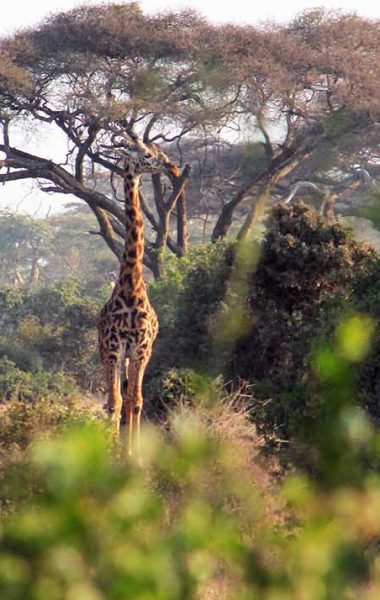
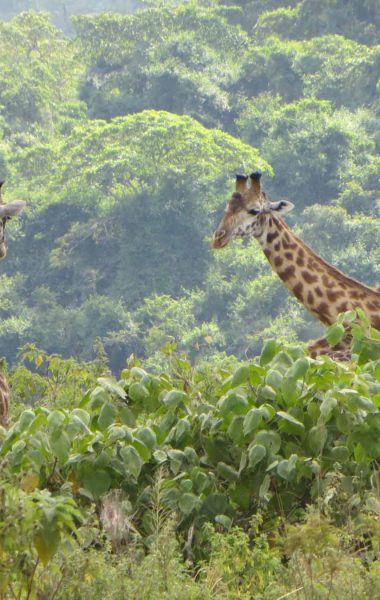
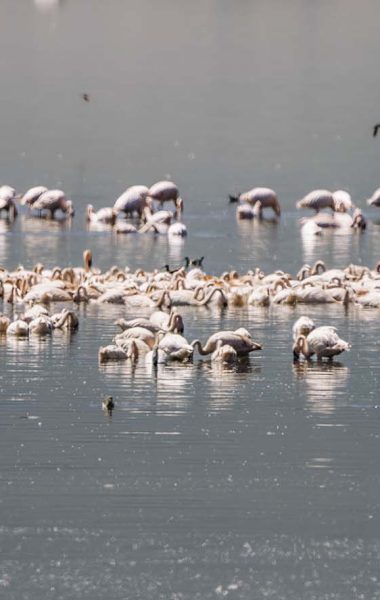
The Serengeti National Park stands as the quintessential image of the African wild, a vast and rolling sea of golden grass that stretches across 14,750 square kilometers of northern Tanzania. Its name, derived from the Maasai word Siringet, translates to “the place where the land moves on forever,” a fitting description for an ecosystem defined by its immense scale and boundless horizons. As a UNESCO World Heritage site, it hosts the most complex and least disturbed ecosystem on Earth. The park is globally renowned for the Great Migration, a thundering spectacle of millions of wildebeest and zebras, but its true magic lies in its year-round abundance. From the iconic granite kopjes where lions keep watch to the hidden riverine forests teeming with leopards, the Serengeti offers a raw, unfiltered look at the ancient rhythms of predator and prey. It is a place of profound silence and sudden, breathtaking action.
Climate
The climate in the Serengeti is tropical and divided into two distinct periods. The dry season runs from June to October, characterized by clear skies and daytime highs around 25°C, making it the best time for wildlife viewing as animals cluster around water holes. The wet season spans from November to May, featuring “short rains” in late autumn and “long rains” from March to May, transforming the plains into a vibrant green paradise.
Getting There
Travelers generally access the park via Arusha. The most convenient method is flying into Kilimanjaro International Airport and taking a smaller bush plane directly to internal airstrips like Seronera. Alternatively, a road safari in a 4×4 vehicle from Arusha takes approximately eight hours, offering a rugged and scenic drive through the Ngorongoro highlands.
Attractions
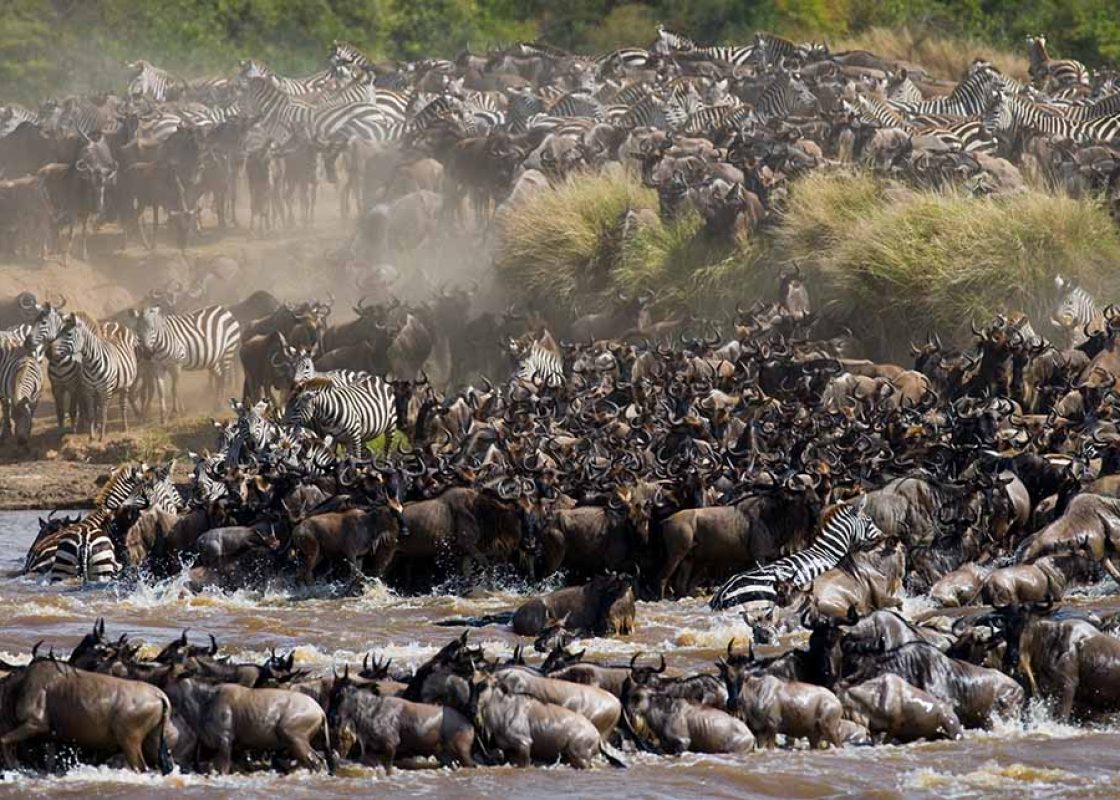
The Great Migration: Depending on the time of year, you can witness the river crossings at the Mara or Grumeti Rivers (July–October) or the calving season in the southern Ndutu plains (January–March).
Retina Hippo Pool: A deep pool where hundreds of hippos gather to soak and socialize. It’s one of the best spots to see hippo interactions and territorial disputes.
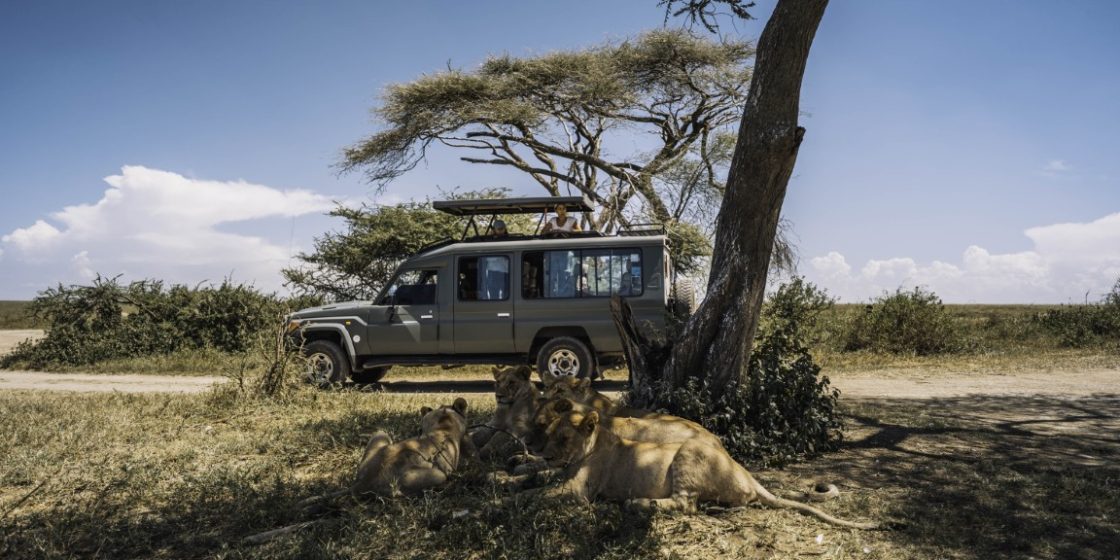
Seronera River Valley: Known as the “Big Cat Capital,” this central region is famous for its high density of leopards and lions, often seen lounging on the branches of yellow fever trees or rocky outcrops.
Moru Kopjes: Ancient granite rock formations that act as islands in a sea of grass. They are a favorite haunt for lions and the rare black rhino. They also house Gong Rock, which features ancient Maasai rock art.
Activities
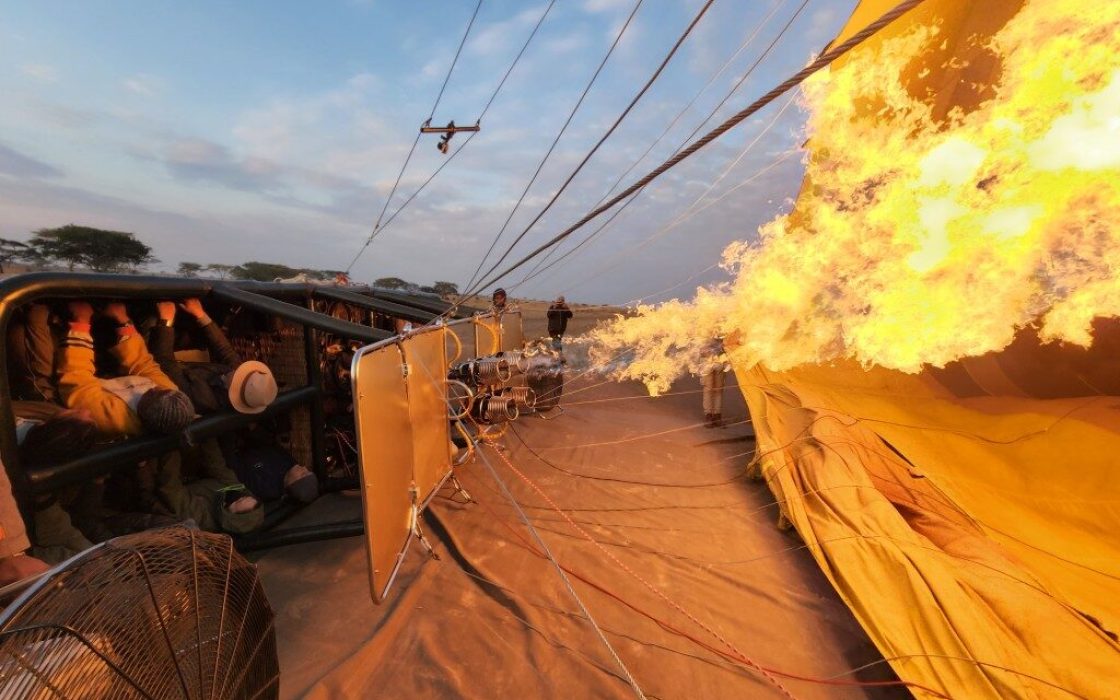
Hot Air Balloon Safaris: One of the most iconic Serengeti experiences. Flights typically launch at dawn, offering a bird’s-eye view of the plains and the migration herds. It usually concludes with a “bush breakfast” and champagne.
Guided Nature Walks: Conducted by expert armed rangers, these walks focus on the “smaller” details of the bush—tracking animals, identifying plants, and learning about the delicate ecosystem that isn’t visible from a safari vehicle.
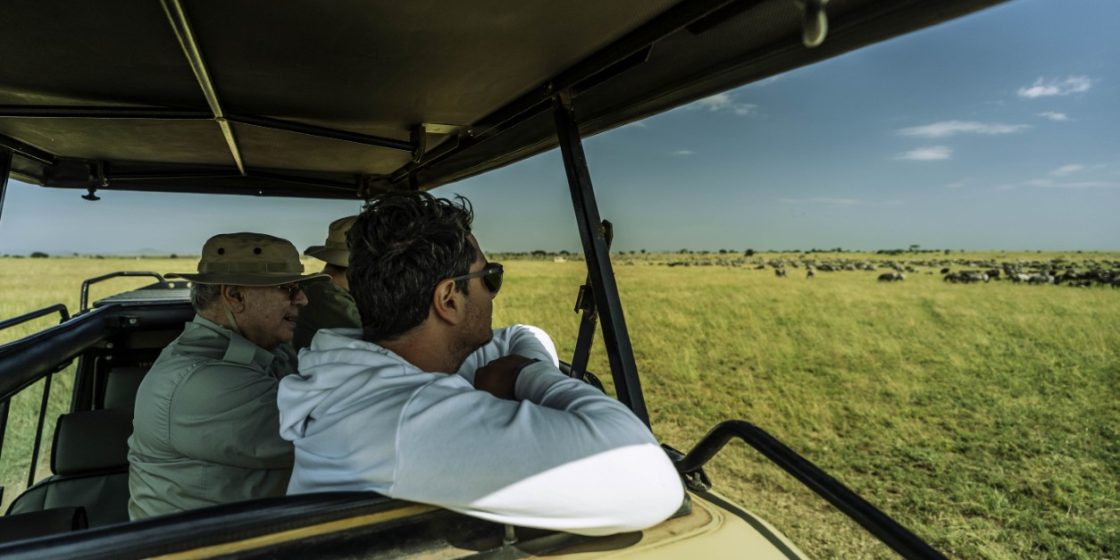
Game Drives: These are the primary way to explore. Morning drives are best for catching predators while they are still active, while afternoon/evening drives capture the golden hour light perfect for photography.
Stargazing: With almost zero light pollution, the Serengeti offers some of the clearest night skies in the world, often accompanied by the sounds of lions or hyenas in the distance.